

















Paddleboarding for Beginners: The Captain’s Guide to Your First Glide
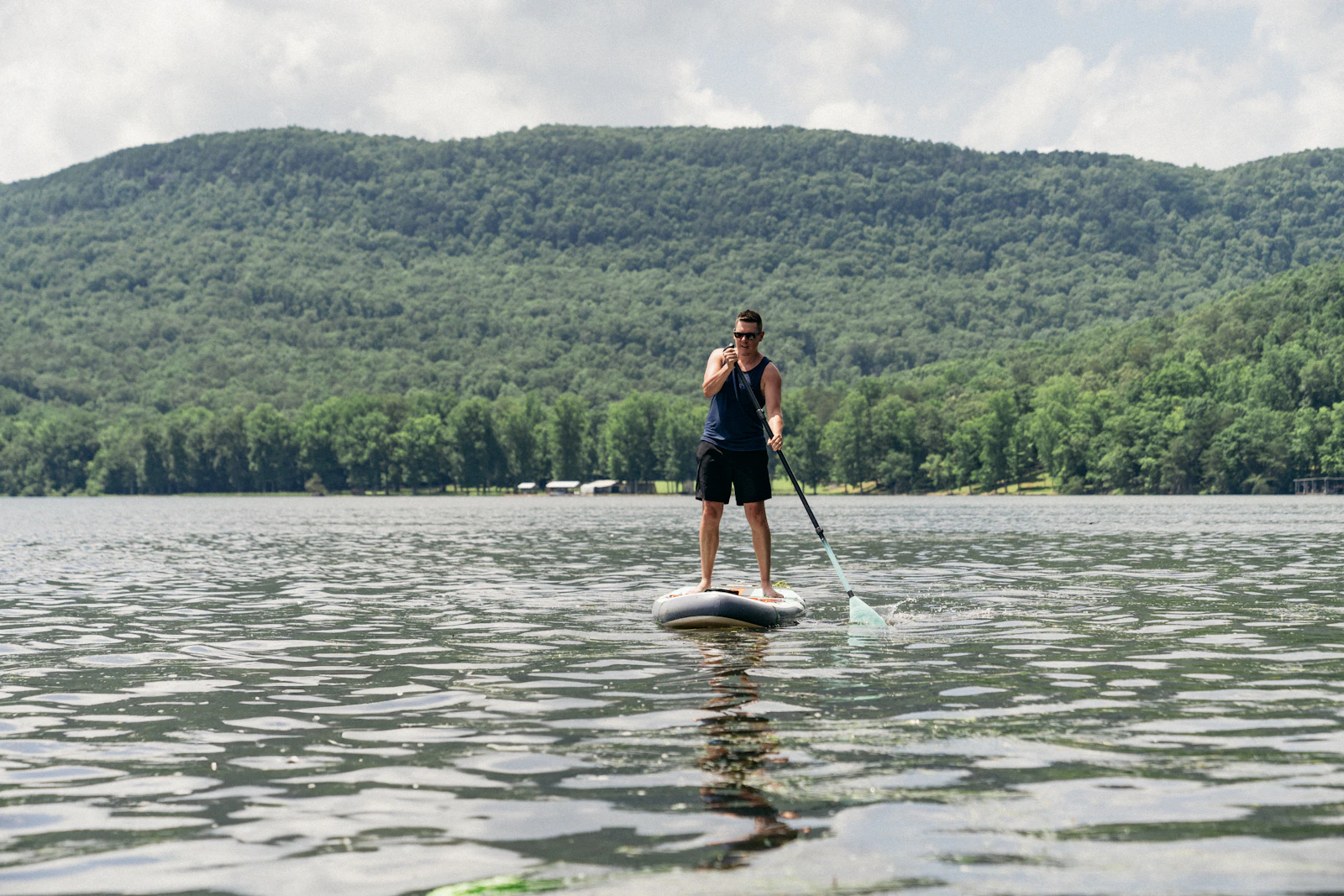
Ahoy, sailor. If you have ever watched someone glide across a calm bay on a paddleboard, looking serene and impossibly cool, and thought “I could never”, Captain Cruz is here to tell you otherwise. Stand-up paddleboarding is one of the friendliest water sports there is, and with a little know-how your first session can feel like walking on water.
Pick the Right Day and the Right Water
The sea decides everything, so let it be kind to you. For a first paddle, look for:
- Flat, sheltered water. A calm lake, a protected bay or a slow river beats open surf every time.
- Light wind. Wind is the paddler’s real opponent. Avoid offshore wind (blowing from the land out to sea), because it can carry you away from the beach faster than you can paddle back.
- Company. Go with a friend, book a lesson, or rent from a centre where staff can keep an eye on you.
The Kit, Kept Simple
- A wide, stable board. Rental centres usually give beginners a broad all-round board. Wider and longer means steadier.
- A leash. It ties the board to your ankle so it never floats away when you fall. And you will fall. Glamorously.
- A buoyancy aid or life jacket. Many places require one; wear it even when they don’t.
- Sun protection. Water reflects sunlight, so add SPF, sunglasses with a strap and a hat or cap.
Set Your Paddle Up Properly
Stand the paddle next to you: for flat water the handle should reach roughly your wrist with your arm raised overhead. The blade has a slight angle, and here is the classic beginner twist: the angle should point forward, away from you, not back towards your toes. Hold the handle with your top hand and the shaft with your lower hand, about shoulder-width apart.
Start on Your Knees
There is no shame in kneeling, darling, the captain did it too. Push the board into water deep enough that the fin won’t touch the bottom, then:
- Climb on and kneel just behind the centre handle.
- Paddle a few strokes on each side to feel how the board moves.
- When you feel steady, place your hands on the board, bring one foot and then the other to where your knees were, feet hip-width apart, parallel, pointing forward.
- Rise slowly with soft knees, keeping your eyes on the horizon, not your feet.
Paddle Like You Mean It
Reach forward, put the whole blade in the water, and pull it back to your feet, then lift it out. Power comes from your core and hips twisting slightly, not from your arms alone. To go straight, take a few strokes on one side, then switch. To turn, make a wide sweeping stroke on the side opposite to where you want to go.
How to Fall (and Get Back On)
When you feel yourself going, fall away from the board, flat into the water, rather than onto it. Swim back, grab the centre handle, kick your legs up behind you and slide your belly on, then return to your knees. Practise this once on purpose near the shore and the fear of falling disappears.
Little Captain’s Rules
- Paddle into the wind first, so the trip home is the easy part.
- Stay within easy reach of the shore on your first outings.
- Give swimmers, boats and wildlife plenty of space.
- Tell someone onshore where you’re going and when you’ll be back.
Within an hour you will find your balance, and then something magical happens: the board goes quiet, the water sparkles and you are simply gliding. Life is amazing out there, sailor. See you on the water.
Comments
Also give your opinion.

 The Captain Look



Leave a comment