

















Ride the Wind: The Captain’s Guide to Your First Tandem Paraglide
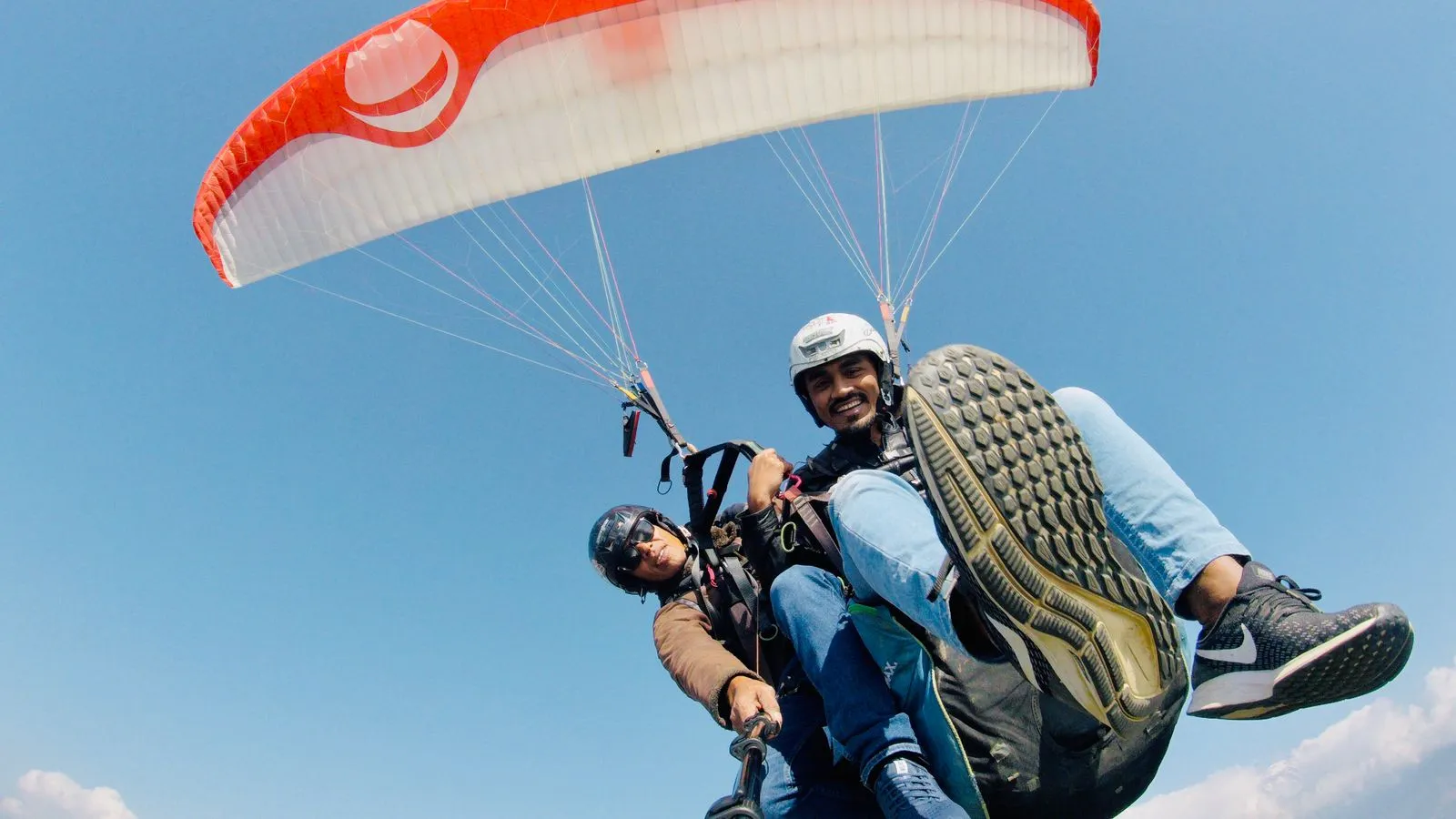
Ahoy, shipmates. The Captain has spent a lifetime looking up at the gulls and wondering how it feels to ride the wind like they do. Then one day he found out: strapped to an expert pilot under a colourful wing, feet dangling over the coastline, nothing but the whisper of air. A tandem paraglide is one of the most magical things you can do with a single morning. Here’s how to make your first flight safe, smooth and unforgettable.
What Is Tandem Paragliding?
A paraglider is a soft, fabric wing with no engine. It’s launched on foot from a hill or cliff and stays up by gliding and riding rising air. On a tandem flight, you sit in a harness in front of a qualified pilot who does all the steering. Your job is mainly to run a few steps at take-off, sit back and enjoy the view. No experience needed.
Choosing a Good Operator
This is the most important decision you’ll make. Look for:
- Qualified tandem pilots with a recognised licence from the national paragliding federation or association in that country. Don’t be shy about asking.
- Proper insurance covering passengers.
- Well-kept equipment, including a reserve parachute and a helmet for you.
- A clear safety briefing before you fly.
- Good reviews that mention professionalism, not just the views.
- Willingness to cancel in poor weather. An operator who happily postpones is one who takes safety seriously.
Also check that your travel insurance covers adventure activities like this. Many policies need an add-on.
Who Can Fly?
Most operators welcome a wide range of ages and body types, though there are usually weight limits for safety, often somewhere around 100 to 120 kilos depending on the equipment. You’ll need to be able to run a few steps on uneven ground. If you have heart, back or other health conditions, are pregnant or recently injured, check with your doctor and the operator first.
What to Wear and Bring
- Sturdy trainers or walking shoes with ankle support. No sandals or flip-flops.
- Layers and a windproof jacket: it’s cooler up there than on the beach.
- Sunglasses with a strap and sunscreen.
- Long trousers are more comfortable in a harness than shorts.
- A phone or camera on a secure strap, or ask if the pilot films the flight for you. Many do.
Take-Off: Just Keep Running
Your pilot will lay out the wing, clip you in and explain the plan. When the wind is right, you’ll lean forward and walk or jog together down the slope as the wing fills and rises overhead. The golden rule: keep running until the pilot says stop, even when your feet leave the ground. Then, gently, the earth falls away. It is far calmer than most people expect.
In the Air
Once airborne, the pilot helps you settle back into the harness like a comfy armchair. Flights often last 10 to 30 minutes, longer when the air is good. You’ll glide over hills, coastlines or lakes, and some pilots offer gentle turns or a few playful spirals if you ask. If you feel queasy, say so straight away; they’ll keep things smooth and level.
Landing Like a Pro
As you approach the landing field, the pilot will ask you to sit up and get your legs ready. Usually you’ll simply stand up and run or walk a few steps as you touch down. Follow instructions, and don’t sit down unless told to.
Dealing With Nerves
Feeling nervous is perfectly normal. Breathe slowly, ask all your questions before take-off and focus on the horizon rather than straight down. Most first-timers say the scary part lasts about five seconds, and then it’s pure peace.
Up there, with the wind in your ears and the world laid out below like a map, you’ll understand why sailors and birds love the sky. Choose a good pilot, trust the wing and let yourself fly. Life is amazing, shipmate.
Comments
Also give your opinion.

 The Captain Look




Leave a comment