

















Treasures at Low Tide: The Captain’s Guide to Rock Pooling
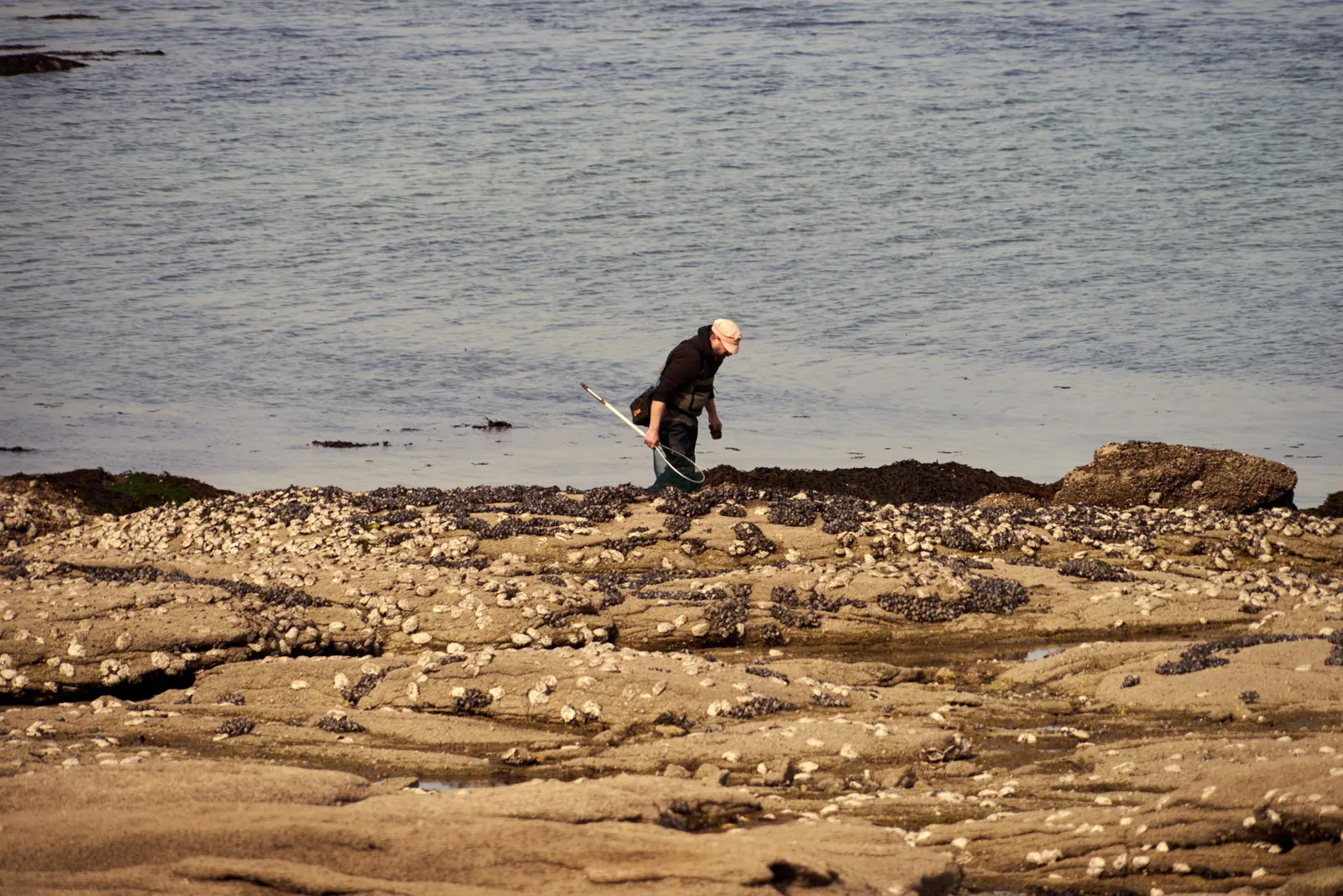
Ahoy, my dear! When the tide slips away, it leaves behind little treasure chests of the sea: rock pools full of crabs, anemones, starfish and tiny darting fish. Rock pooling is one of your Captain’s favourite gentle adventures. It costs nothing, it makes grown men squeal like children, and it teaches you to see the shore with new eyes.
Time It With the Tide
The best rock pooling happens around low tide, when the sea has pulled back the furthest. Check a local tide table or tide app before you go. Aim to arrive an hour or so before low tide and head back as the water starts to return. Always keep an eye on your route back to the beach, because an incoming tide can cut you off faster than you think.
Where to Look
Rocky shores with lots of nooks and crannies are perfect. The lower down the shore you go, the more variety you will find, as those pools are covered by the sea for longer. Look under seaweed, in cracks, under ledges and in the shady sides of pools.
What You Might Find
- Crabs scuttling sideways under stones
- Sea anemones, which look like jelly blobs out of water but open into soft tentacled flowers underwater
- Starfish clinging to rocks
- Small fish like blennies and gobies hiding in the weed
- Shrimps almost invisible until they move
- Limpets, periwinkles and other shells dotted over the rocks
What you see depends on where in the world you are, which makes every new coast a fresh surprise.
What to Bring
- Shoes with good grip, as wet rocks and seaweed are very slippery
- A small bucket or clear container to look at creatures briefly
- A shallow net only if used gently, many people prefer just hands and eyes
- A magnifying glass or your phone camera for close-ups
- Sun cream, a hat, water and a snack
- A simple guide or app to identify what you find
The Golden Rules
Rock pools are homes, so we visit as polite guests.
- Turn rocks back gently exactly as you found them, seaweed side up and creatures underneath.
- Handle animals as little as possible, with wet hands, and never pull anything off a rock.
- Keep creatures in water and return them quickly to the same pool.
- Take photos, not souvenirs. Leave living things and shells where they belong.
- Watch for anything that stings or pinches and admire it from a respectful distance.
Staying Safe
Move slowly and keep three points of contact on slippery rocks. Stay away from the edges of the open sea where waves can surprise you. Check for local warning signs and avoid cliff bases where rocks can fall. Going with a friend is always more fun and safer too.
Join a Guided Walk
Many coastal nature groups and visitor centres run guided rock pool rambles. A local expert can show you creatures you would never spot alone and share brilliant stories about them.
Slow Down and Notice
The magic of rock pooling is patience. Sit beside a pool, stay still for a minute and watch it come alive. Little lives you missed at first will start to move.
The sea gives us these little worlds twice a day, my friend. Go and say hello. Life is amazing.
Comments
Also give your opinion.

 The Captain Look




Leave a comment