

















Walking on Clouds: The Captain’s Guide to Your First Snowshoe Hike
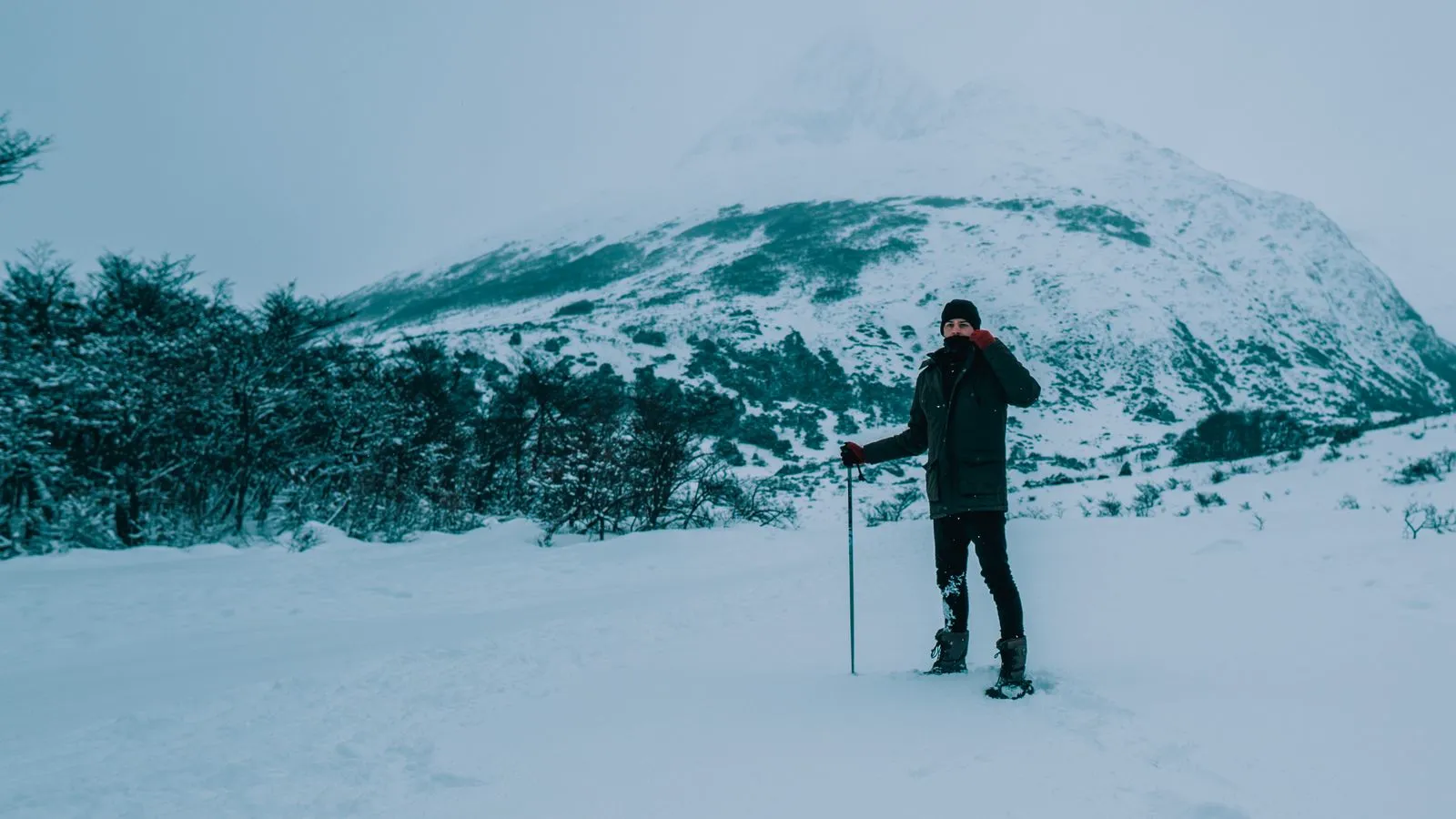
Ahoy, sailor. Not every great adventure needs a lift pass or years of practice. Strap a pair of snowshoes to your boots and you can wander into silent, sparkling forests where only the deer have walked before. If you can walk, you can snowshoe. Life is amazing, especially when it crunches underfoot.
Why Snowshoeing Is Such a Joy
Snowshoes spread your weight across a wider surface so you float on top of deep snow instead of sinking up to your knees. That simple trick opens up quiet trails, frozen lakeshores and mountain meadows. It is gentle on the joints, wonderful exercise for your legs and lungs, and far cheaper and less crowded than skiing. Best of all, it is easy to learn in about five minutes.
Start With a Guided Walk
For your first outing, join a guided snowshoe walk at a mountain resort or national park. Guides know the safe routes, carry safety gear and often share wonderful stories about the wildlife tracks you will spot along the way. Many places rent snowshoes and poles for the day, so there is no need to buy anything before you know you love it. Some even run magical moonlit or sunset walks with a hot drink at the end.
The Gear
- Snowshoes: rent ones sized for your weight, including your backpack. Look for a crampon underneath for grip on icy patches.
- Poles: adjustable trekking poles with snow baskets help your balance and give your arms a workout.
- Boots: warm, waterproof hiking or winter boots that fit comfortably in the bindings.
- Gaiters: they wrap around your lower legs and keep snow out of your boots. A small luxury that makes a huge difference.
Dress in Layers, Captain-Style
You will warm up quickly once you get going, then cool down fast when you stop. So:
- A breathable base layer that wicks away sweat (avoid cotton next to your skin).
- A fleece or light insulated mid layer.
- A waterproof, windproof shell on top.
- A hat, gloves and a spare pair of each in your pack.
- Sunglasses and sunscreen. Sun on snow is brighter than you think, even on cloudy days.
How to Walk in Snowshoes
- Take a slightly wider stance than normal so the frames do not clip each other.
- Walk naturally, lifting your feet a little higher than usual.
- On uphill sections, kick the toe in or use the heel lifter if your snowshoes have one, and take small steps.
- Going downhill, keep your weight slightly back, knees soft, and plant your heels first.
- Use your poles for rhythm and balance on every stride.
Stay Safe in the Snow
- Stick to marked trails or go with a guide. Avalanche terrain is no place for beginners.
- Check the weather and snow conditions before you leave, and tell someone your plan.
- Daylight is shorter in the mountains in winter, so start early and turn back with time to spare.
- Pack water, snacks, a charged phone and a small first-aid kit.
- Drink regularly. Cold air hides how much you sweat.
The Captain’s Last Word
Snowshoeing is the slow, peaceful side of the mountains, full of soft light, fresh air and the sound of your own breath. Rent the gear, find a guide and float off into the white. Life is amazing, sailor.
Comments
Also give your opinion.

 The Captain Look





Leave a comment