

















One Breath, Deep Blue: The Captain’s Guide to Your First Freediving Course
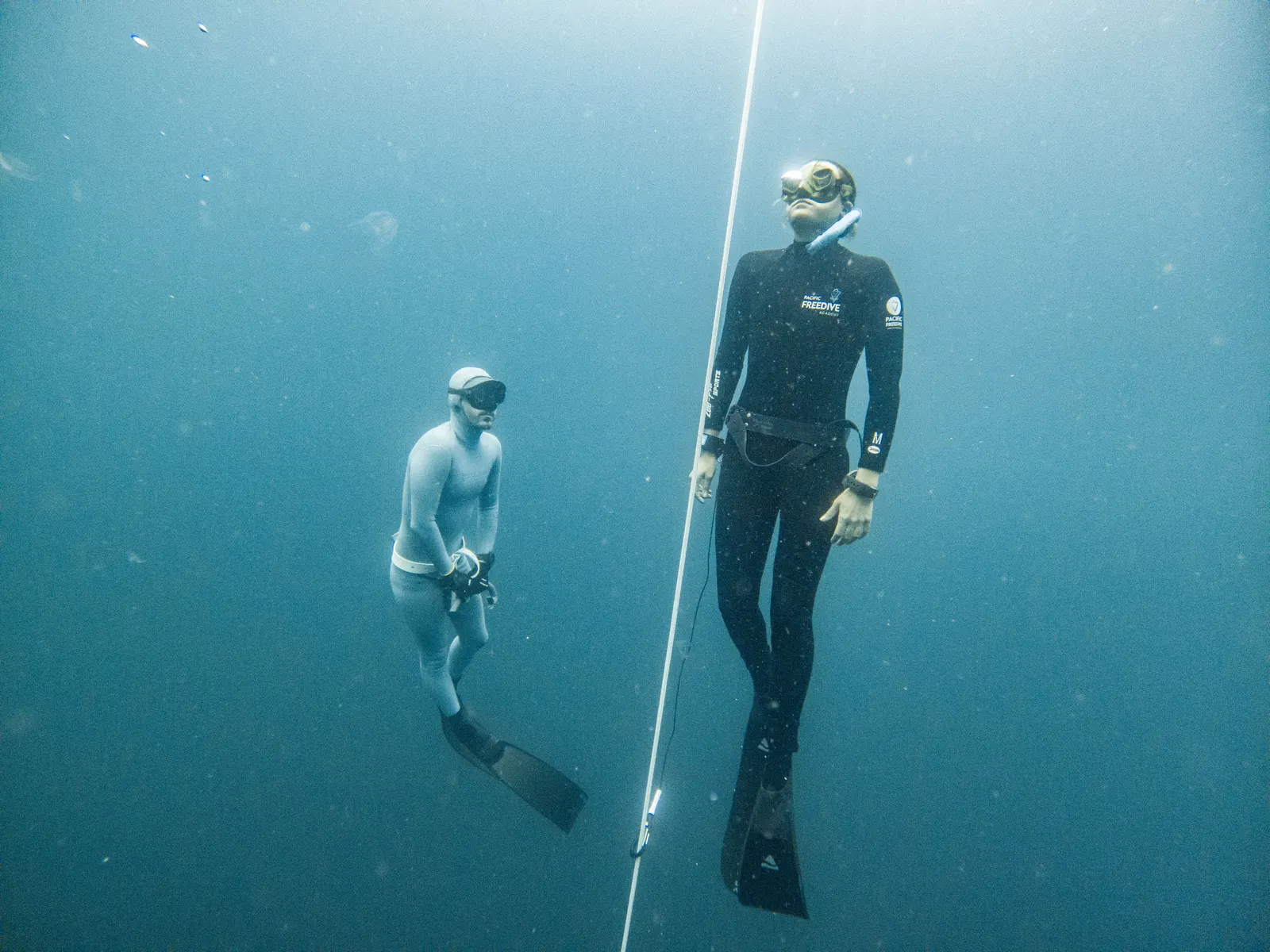
Ahoy, ocean lovers! The Captain, being a son of the sea, has always felt most at home beneath the waves. If snorkelling has you curious about what lies deeper, a freediving taster course might be your next great adventure. No tanks, no heavy gear, just a single breath, a calm mind and the quiet blue. It is magical, darling, and much more about relaxation than bravado.
What Is Freediving?
Freediving means diving on a single breath of air. Instead of breathing from a tank, you take a calm breath at the surface, descend gently, explore and return. It is graceful, silent and deeply meditative. Many people say it feels like flying underwater.
Start With a Proper Course
Freediving is wonderful but must be learned properly. Never try to push your breath-hold alone. A beginner course with a certified instructor usually includes:
- Theory: how your body responds to breath-holding and pressure, and the essential safety rules.
- Pool session: relaxed breathing, static breath-holds and swimming underwater with fins.
- Open-water session: diving down a line in calm sea or a lake, with your instructor right beside you.
Many dive centres offer a one-day taster or a two- to three-day beginner course.
The Golden Rule: Never Dive Alone
This is non-negotiable, shipmates. Freedivers always dive with a trained buddy who watches from the surface and is ready to help. You take turns: one dives, one watches. Your course will teach you exactly how to do this.
Breathing and Relaxation
Surprisingly, the secret to a longer breath-hold is not strength but calm.
- Relax before diving: slow, gentle breathing with a longer exhale settles your heart rate.
- No hyperventilating: rapid, heavy breathing before a dive is dangerous. Your instructor will teach a safe breathing-up routine.
- Stay loose: every tense muscle uses oxygen. Let your shoulders drop and move slowly.
- Recovery breaths: after surfacing, take a few specific recovery breaths, as taught on your course.
Equalising Your Ears
As you descend, water pressure builds in your ears. You will learn to equalise, gently balancing the pressure, so your ears stay comfortable. Equalise early and often, and never force it. If it does not work, come back up a little and try again.
The Gear
- Long-bladed fins that make every kick count.
- A low-volume mask that needs less air to equalise.
- A snorkel for resting at the surface.
- A wetsuit for warmth and buoyancy, plus a weight belt set up by your instructor.
Courses usually provide all of this, so do not buy anything until you know you love it.
Who Can Try It?
Most people who are comfortable in water and in good general health can enjoy a beginner course. You will likely fill out a medical questionnaire. If you have heart, lung or ear conditions, check with a doctor first.
Tips for Your First Day
- Eat a light meal a few hours before, and avoid heavy food right before diving.
- Get a good night’s sleep and stay hydrated.
- Leave your ego on the beach. There is no competition here.
- Enjoy the silence. That quiet moment underwater is the whole point.
Beyond the Course
Once certified at a beginner level, you can freedive with a buddy, join a club and explore reefs and wrecks with new eyes. Your snorkelling will never feel the same again.
One breath, one calm descent, one shimmering world below. The Captain promises: life is amazing, and even more so in the deep blue.
Comments
Also give your opinion.

 The Captain Look




Leave a comment