

















Read the Water: The Captain’s Guide to Swimming Safely in the Sea
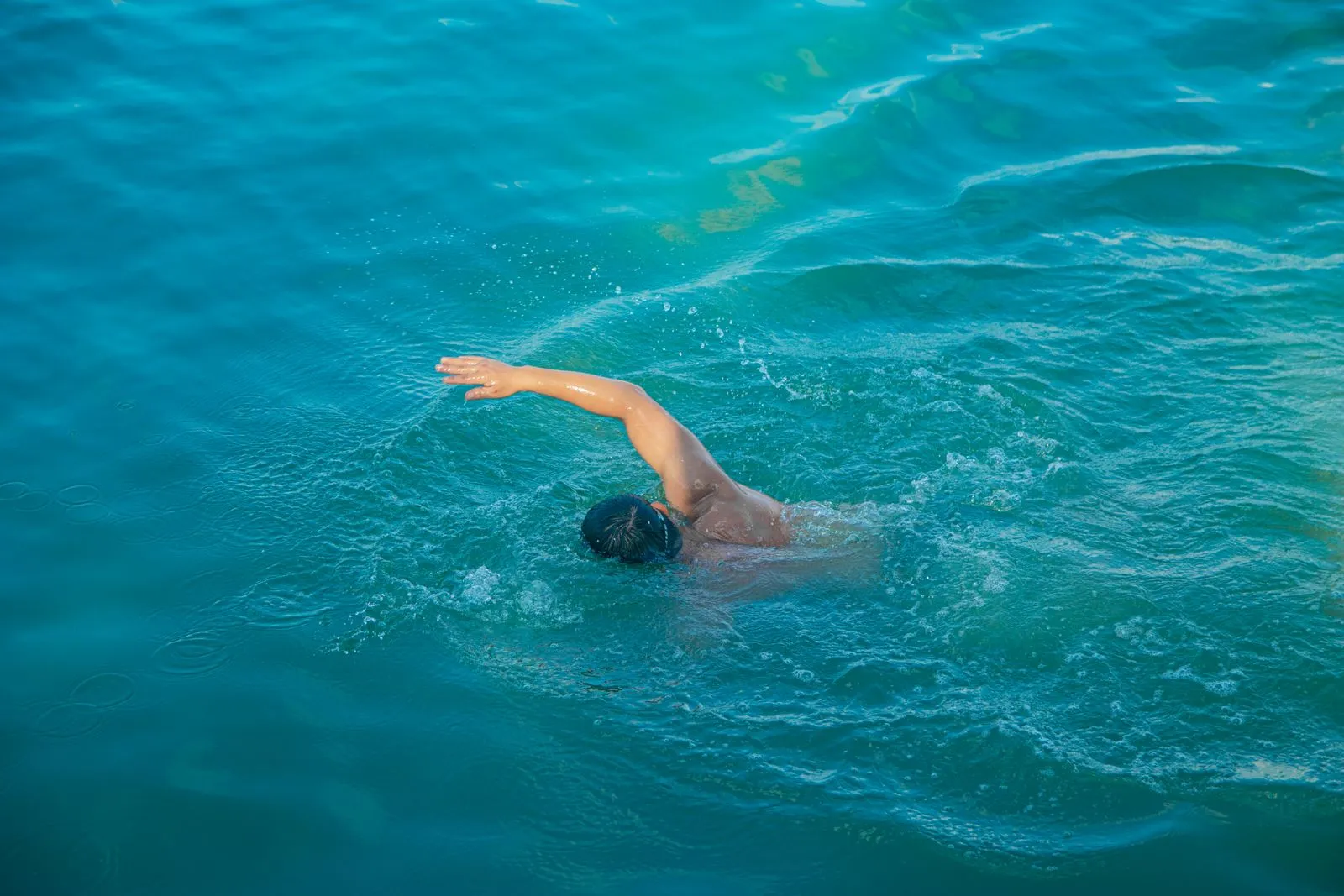
Ahoy, darlings. The sea is the greatest swimming pool in the world: warm turquoise water, sunshine on your shoulders and fish darting under your feet. But the sea is alive. It has waves, currents and moods that a pool never will. After a lifetime on the water, the Captain knows that respect and a little knowledge let you enjoy it fully and safely. Life is amazing.
Choose the Right Beach
- Swim at lifeguarded beaches whenever you can, and between the flags where lifeguards are watching.
- Ask locals or lifeguards about the conditions. They know their beach better than any app.
- Read the signs at the entrance: they explain flags, hazards and the safest areas.
Know the Flags
Flag systems vary by country, so always check the local signs, but many beaches use something like:
- Green: calm conditions, swimming allowed.
- Yellow: take care, conditions are moderate.
- Red: no swimming. Admire the sea from the sand.
- Red and yellow: the area patrolled by lifeguards. Swim between them.
- Purple: marine life such as jellyfish has been spotted.
Rip Currents: What to Know
A rip current is a narrow, fast-moving channel of water flowing away from the shore. It’s the biggest hazard for swimmers on many beaches. Clues that a rip might be there:
- A channel of darker, calmer-looking water between breaking waves.
- A line of foam, seaweed or debris moving out to sea.
- A gap in the waves where they aren’t breaking.
If You’re Caught in a Rip
- Stay calm. A rip pulls you out, not under.
- Don’t fight it by swimming straight back to shore against the current.
- Float on your back to save energy, or swim parallel to the beach until you’re out of the channel, then swim back in at an angle.
- Raise one arm and call for help to signal a lifeguard.
- If you see someone else in trouble, alert a lifeguard or emergency services rather than swimming in after them.
Swim Smart
- Never swim alone. Bring a friend and keep an eye on each other.
- Know your limits. Open water feels harder than a pool. Stay within your depth until you know your stamina.
- Swim parallel to the shore rather than heading far out.
- Wear a bright swim cap or use a tow float for longer swims, so boats and friends can see you.
- Watch out for boats and stay outside marked boating lanes.
- Skip the alcohol before swimming, and don’t swim right after a big meal if it makes you feel sluggish.
Respect the Locals
Protect your feet with water shoes on rocky beaches, look but never touch marine life, and use a reef-friendly sunscreen. Leave the beach as beautiful as you found it.
Build Your Sea Confidence
New to open water? Start on calm, sheltered beaches, swim short distances near the shore and build up slowly. Consider an open-water swimming session with a local club or coach. Every swim teaches you a little more about reading the sea.
The ocean has been our playground for millennia, and it rewards those who listen to it. Pick your beach, watch the water, swim with a friend and enjoy every glittering stroke. Life is amazing, darlings.
Comments
Also give your opinion.

 The Captain Look






Leave a comment