

















Ready About! The Captain’s Guide to Crewing in Your First Sailing Regatta
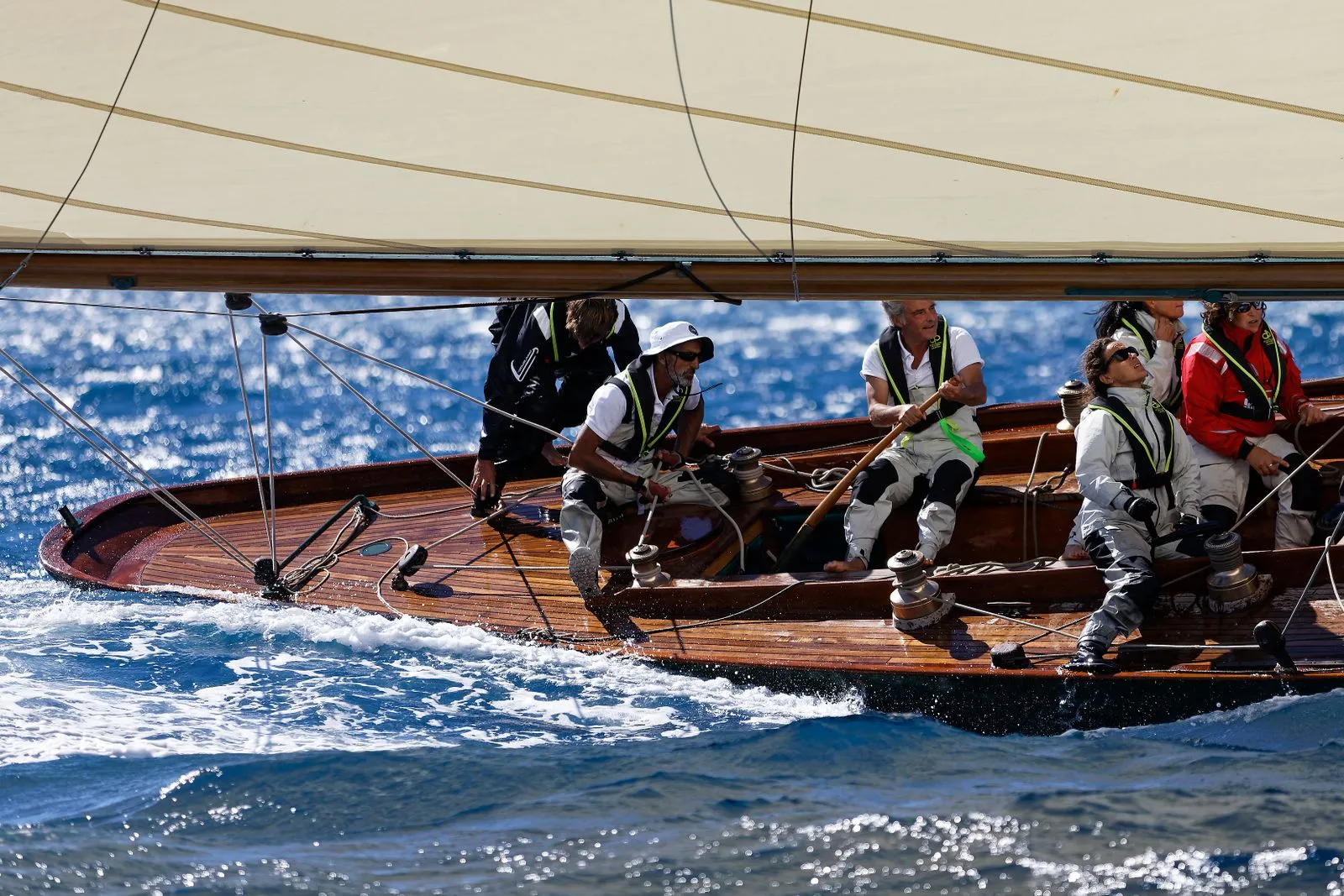
Gather round, sailors. There’s sailing, and then there’s racing: a fleet of boats on the start line, sails snapping, crews shouting calls, everyone chasing the same mark on sparkling blue water. A regatta looks like a club for salty experts, but most race boats are always hunting for willing extra hands. With a smile, good shoes and a little know-how, you could be part of the crew. Life is amazing, especially at full speed.
What Is a Regatta, Exactly?
A regatta is a series of sailing races, usually over one to several days. Boats race around a course marked by buoys, and the winner is decided over all the races together. Some are serious championships. Many are friendly club events where the after-party matters nearly as much as the trophy. As a beginner, the friendly ones are your harbour.
How to Find a Spot on a Boat
- Sailing clubs: many have a “crew wanted” board or online list where skippers look for helpers. Turn up, introduce yourself and say you’re keen to learn.
- Club race evenings: casual weekday races are perfect for first-timers. Lower pressure, shorter courses.
- Sailing schools: some run racing taster days where you crew with an instructor aboard.
- Holiday regattas: in sunny sailing destinations, some charter companies and flotillas organise fun races where guests can take part.
- LGBTQ+ sailing groups: our community sails too, and a welcoming crew makes everything easier.
Be honest about your experience. Skippers would rather know you’re new than discover it mid-manoeuvre.
Jobs a Beginner Can Do
You won’t be steering on day one, and that’s fine. Classic beginner roles include:
- Rail meat: sitting on the high side of the boat to balance it. It sounds unglamorous, but your weight genuinely helps the boat go faster.
- Grinder: turning the winch handles to pull in sails when asked.
- Pit and tidy: keeping ropes neat and ready so nothing tangles at the crucial moment.
- Spotter: calling out other boats, wind changes and the next mark.
Listen to your skipper, ask questions before the start, not during a tack, and you’ll be welcomed back.
Learn a Few Key Calls
- “Ready about”: we’re about to turn through the wind. Get ready.
- “Lee-ho” or “Tacking”: the turn is happening. Move across the boat, mind your head.
- “Gybe-ho” or “Gybing”: turning with the wind behind us. The boom swings across fast, so stay low.
- “Starboard!”: shouted at other boats, meaning we have the right of way.
What to Bring
- Non-marking deck shoes or sailing boots with good grip.
- Sailing gloves to protect your hands from ropes.
- A light, quick-dry layer and a windproof jacket for spray.
- Sunscreen, sunglasses with a strap and a hat that won’t fly away.
- A water bottle and snacks. Racing is hungrier work than it looks.
- A small dry bag for your phone and keys.
Your skipper will usually provide a lifejacket. Wear it.
Race-Day Etiquette
- Arrive early to help rig the boat. It’s the best way to make friends.
- Keep the deck tidy, your bags below and your phone away during racing.
- No shouting at the crew, even when things go wrong. Things will go wrong. That’s sailing.
- Thank the skipper, help pack up, and buy a round at the club afterwards if that’s the tradition.
Stay Safe and Have Fun
Hold on with one hand, move low around the boat and keep your head clear of the boom. If you feel seasick, tell someone and keep your eyes on the horizon. Nobody will judge you; every great sailor has been green at some point.
So find a club, raise your hand and step aboard. Between the start gun and the finish horn, you’ll learn more about wind, water and teamwork than any book could teach you. Fair winds, sailors. Life is amazing.
Comments
Also give your opinion.

 The Captain Look





Leave a comment