

















Leave It Better: The Captain’s Guide to Joining a Beach Clean
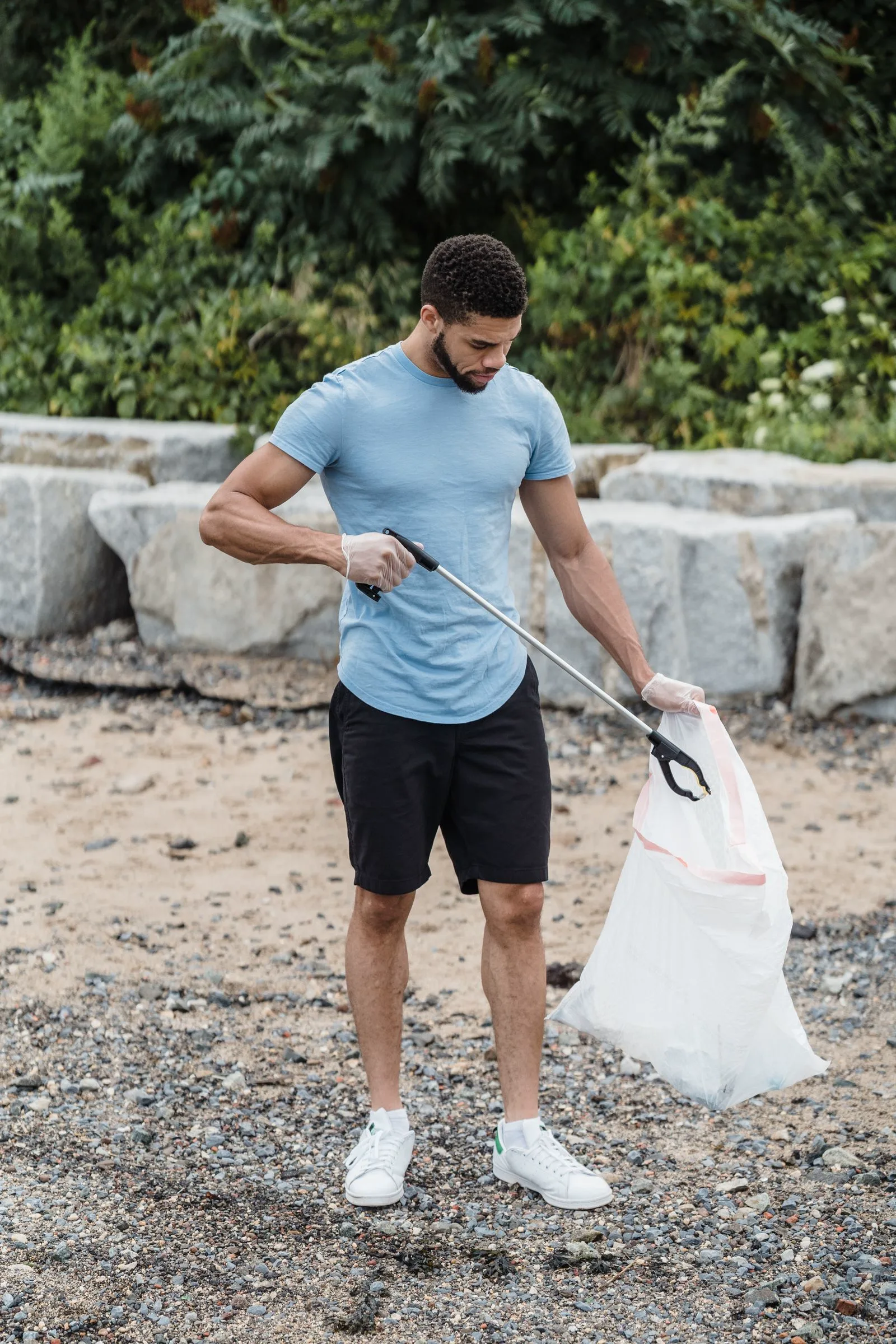
Every sailor knows the sea gives us everything: the light, the breeze, the swim that makes the whole day make sense. So once in a while, we like to give a little back. Cruz here, your old captain, and today we are talking about one of the happiest hours you can spend on any beach: a beach clean. No lectures, no guilt, just a bag, a grabber and a stretch of sand that looks better when you leave than when you arrived.
Why a Beach Clean Feels So Good
Picking up bottle caps does not sound like a holiday highlight, we know. But ask anyone who has done it. You walk slowly, you notice tiny shells and crabs you would have stepped over, you chat with strangers who quickly stop being strangers, and at the end you can see exactly what you achieved. It is part treasure hunt, part beach walk, part good deed, and it costs you nothing but a morning.
It is also a lovely way to meet locals when you travel. The people who turn up to clean their beach are usually the people who love it most, and they know where the best snorkelling spot and the best grilled fish are hiding.
How to Find One
- Ask at the dive or surf shop. Dive centres and surf schools often run regular cleans, sometimes with an underwater version for certified divers.
- Check the local tourist office or town hall. Many coastal towns organise community cleans and are delighted to see visitors join.
- Look up ocean charities. Marine conservation groups in many countries list public clean-up events on their websites and social pages.
- Start your own mini clean. No event? No problem. Two friends, one bag and twenty minutes on your way back from a swim still count.
What to Bring
- Reusable gloves, or a pair of gardening gloves you do not mind getting sandy
- A sturdy bag or bucket, ideally two so you can separate recycling as you go
- A litter grabber if you have one (many organised cleans lend them out)
- Sunscreen, a hat and plenty of water, because a clean is still a sunny day on the beach
- Sandals or shoes, never bare feet, in case of glass or sharp bits
What to Pick Up and What to Leave
Plastic bottles, caps, wrappers, cigarette ends, fishing line, straws, those tiny plastic pellets that look like fish eggs: all of it goes in the bag. Fishing line and nets are especially worth grabbing, because they tangle birds and turtles.
Leave anything alive, obviously, and anything natural: seaweed, driftwood and shells belong to the beach and feed whole little ecosystems. If you find something that looks hazardous, like a needle, a strange drum or a large heavy object, do not touch it. Tell the organiser or a lifeguard.
Make It Count
Many organised cleans keep a tally of what was found, and that data helps local groups push for change. If you are doing your own clean, a quick photo of your haul and a note of the top three items is a nice habit. Then sort it: recycling in one bin, general waste in the other, and you are done.
A few small habits help too. Carry a little bag on every beach walk. Bring your own bottle. Choose beach bars that skip plastic straws. Tiny things, repeated by lots of us, change a coastline.
Make It Social
Invite your friends, your date, your travel buddies. A beach clean followed by a swim and a long lunch is one of the best group mornings we know. It is also a gentle, low-pressure way to make new friends in a place where you know nobody.
So next time you are lying on that perfect stretch of sand, take a look around. Leave it better than you found it, sailor. The sea always remembers. Life is amazing.
Comments
Also give your opinion.

 The Captain Look






Leave a comment