

















From Cherry to Cup: The Captain’s Guide to Visiting a Coffee Farm
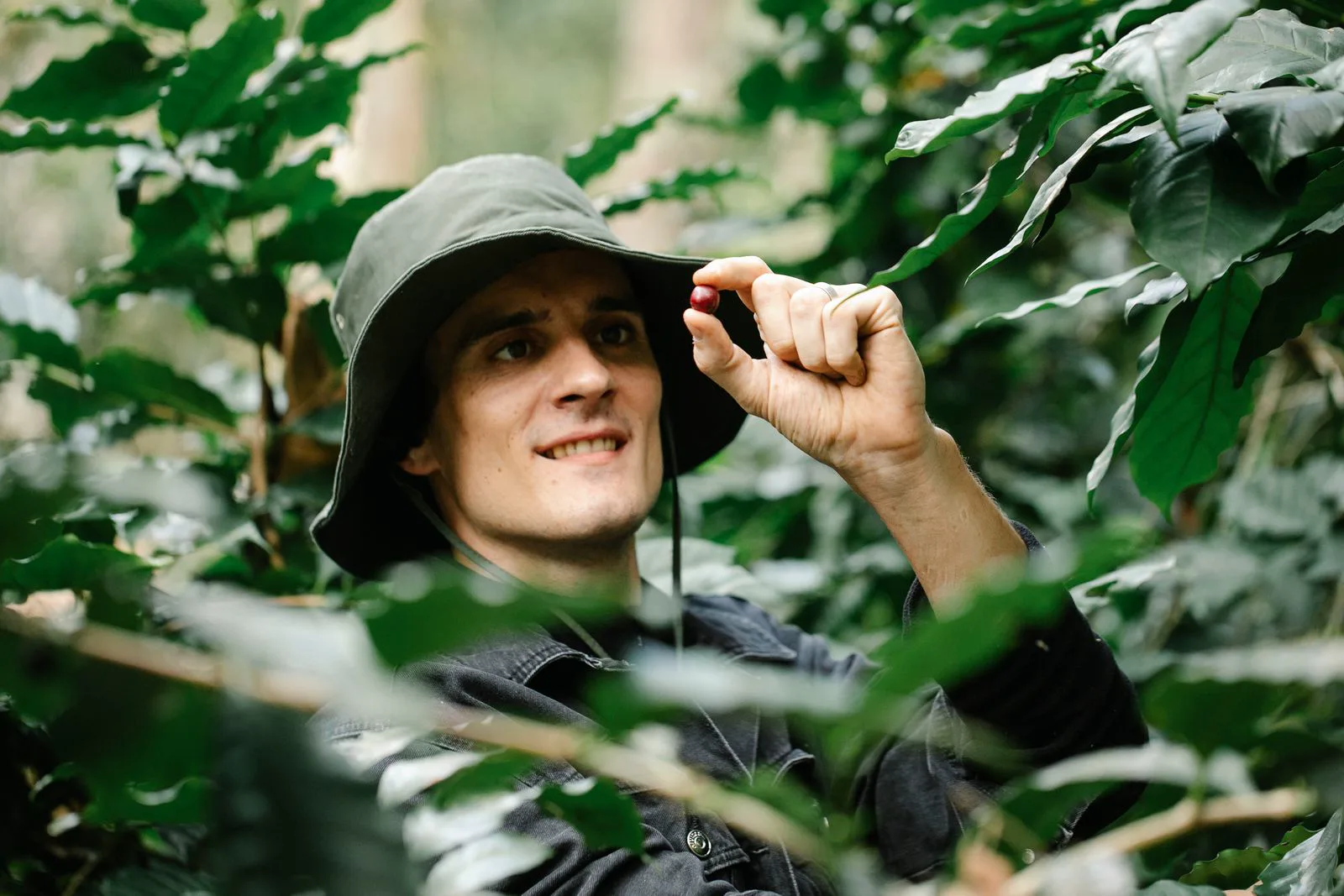
Ahoy, Cruz del Mar here, your Sailor Uncle. Every morning cup has travelled further than most sailors: from a shrub on a sunny hillside, through careful hands and long journeys, all the way to your mug. Visiting a coffee farm lets you follow that voyage backwards, and it might just be the most delicious day trip you take. Life is amazing.
Where Coffee Grows
Coffee thrives in the tropics, in a band around the equator often called the coffee belt. The best beans tend to come from sunny highlands with rich soil, steady warmth and cool nights. Central and South America, East Africa, Southeast Asia and several island destinations all welcome visitors to their farms, from tiny family plots to large estates.
What Happens on a Farm Tour
Tours vary, but many follow the bean from start to finish:
- The plants: glossy green shrubs bearing coffee cherries that ripen from green to deep red.
- The harvest: often picked by hand, cherry by cherry, because they ripen at different times.
- Processing: the fruit is removed from the seed, either by washing, by drying the whole cherry in the sun, or something in between. Each method changes the final flavour.
- Drying: beans spread on patios or raised beds, raked regularly under the sun.
- Roasting: where the green beans turn brown and fragrant. Many farms roast a little on site.
- Tasting: the best part, sailor.
Try a Cupping
A cupping is the professional way to taste coffee. Freshly ground coffee steeps in cups, you break the crust and smell the aroma, then slurp from a spoon loudly to spray the coffee across your palate. It feels silly. It is meant to. You may be surprised to taste fruit, chocolate, nuts or flowers in different coffees.
Choosing a Good Tour
- Look for working farms that grow, process and ideally roast their own coffee.
- Ask what the tour includes: walking the plantation, processing demonstrations, tasting.
- Small groups mean more time to ask questions.
- Farms that explain how they pay pickers and care for the land are often the ones doing things well.
- Read recent reviews and check the language of the tour.
What to Bring
- Comfortable walking shoes. Plantations are often on slopes.
- Sun hat, sunglasses and sun cream. Highland sun is strong.
- Water and a light layer. Mountain mornings can be cool even on sunny days.
- Insect repellent, handy in lush tropical areas.
- Space in your bag for beans to take home.
Buying Beans to Take Home
Buying directly from the farm supports the people who grew them. Ask for whole beans rather than ground, check the roast date, and keep the bag sealed and away from heat and light. Check the rules for bringing food into your home country, though roasted coffee is usually fine.
Make a Day of It
Coffee regions are often stunning: green valleys, waterfalls, colourful villages and views for days. Combine a farm visit with a hike, a local lunch or a night in a farm stay, and let the slower highland rhythm work its magic.
The next time you sip your morning coffee, you will taste a little of that hillside. Life is amazing.
Comments
Also give your opinion.

 The Captain Look






Leave a comment