

















Walk on the Seabed: The Captain’s Guide to Helmet Diving Sea Walks
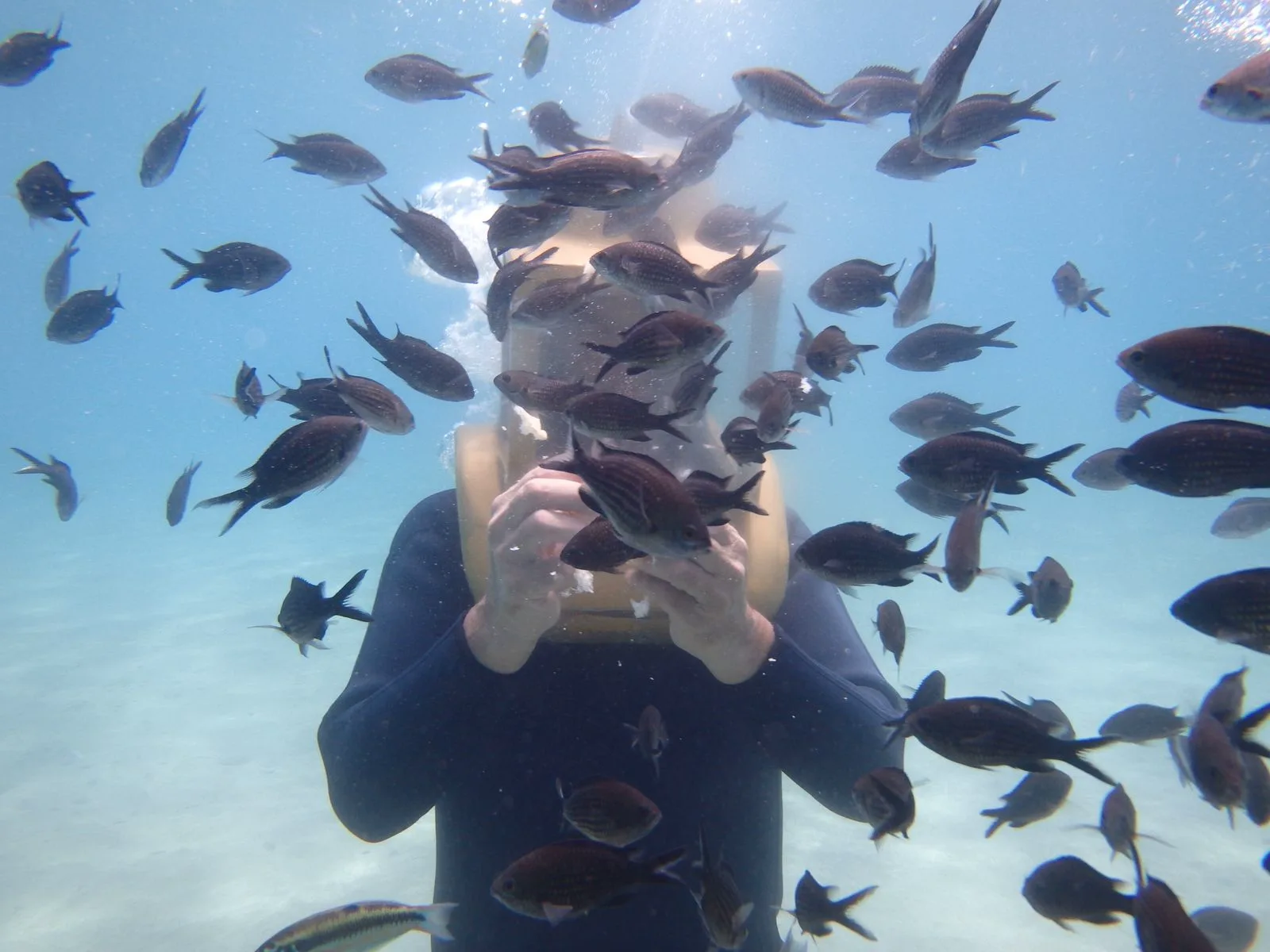
Ahoy, adventurers. Have you ever dreamed of strolling along the bottom of the sea, fish swirling around you, without needing to swim or learn to dive? That is exactly what a sea walk offers. Cruz here, your old captain, and today we are exploring helmet diving: the easiest way to stand in the underwater world and say hello to its residents. Life is amazing, and sometimes it is wonderfully strange too.
What a Sea Walk Is On a sea walk, also called helmet diving or an underwater walk, you wear a large, clear-fronted helmet that rests on your shoulders. Fresh air is pumped down to the helmet from the boat or platform above, so you breathe normally, just like on land. You climb down a ladder and walk along a sandy seabed, usually at a shallow depth of around three to six metres, guided by trained staff.
Who It Suits – People who cannot swim or do not feel confident swimming. – Anyone who wants to try the underwater world without a diving course. – Glasses wearers: in many helmets you can keep your glasses on. – Adventurous friends looking for a different holiday story.
Operators will have their own health requirements, often around heart and lung conditions, recent surgery, pregnancy and ear problems. Read them carefully and be honest on the health form.
What Happens on the Day 1. Briefing on the boat or pontoon. You learn hand signals, how to equalise your ears and what to do if you want to come up. 2. Getting ready. You usually wear swimwear and water shoes. Staff place the helmet on your shoulders as you step down the ladder. 3. Going down slowly. Pause on each step to equalise your ears by pinching your nose and gently blowing. 4. The walk. You walk slowly along the seabed, often holding a guide rope or the guide’s hand. Fish gather around, and you may see corals, rocks and sea urchins. 5. Back up. After around 20 to 30 minutes underwater, you climb back up the ladder and the helmet is lifted off.
Tips for a Magical Walk – Stay upright. Bending forward too far can let water into the helmet. Keep your head level. – Move slowly. Calm movements keep the sand from clouding the water and let fish come closer. – Equalise early and often. Do not wait for ear discomfort. – Signal any problem to the guide straight away. They are trained to help. – Never touch marine life, and do not stand on coral or living reef.
Choosing an Operator – Look for licensed, well-reviewed companies with clear safety procedures. – Check that a guide stays with you underwater the whole time. – Ask how they handle the air supply and emergencies. – Choose calm, clear-water locations with good visibility. – Prefer operators who respect the marine environment and avoid feeding fish.
Capture the Moment Many operators offer photos or videos from an underwater photographer. Leave your own phone on the boat unless you have a proper underwater case and permission.
The Captain’s Thought Standing on the seabed with sunbeams dancing through the water, you feel how big and beautiful the ocean world is. It is a humbling, joyful view.
Step down, breathe easy and say hello to the fish. Life is amazing, adventurers.
Comments
Also give your opinion.

 The Captain Look






Leave a comment