

















Learn the Local Moves: The Captain’s Guide to Taking a Dance Class Abroad
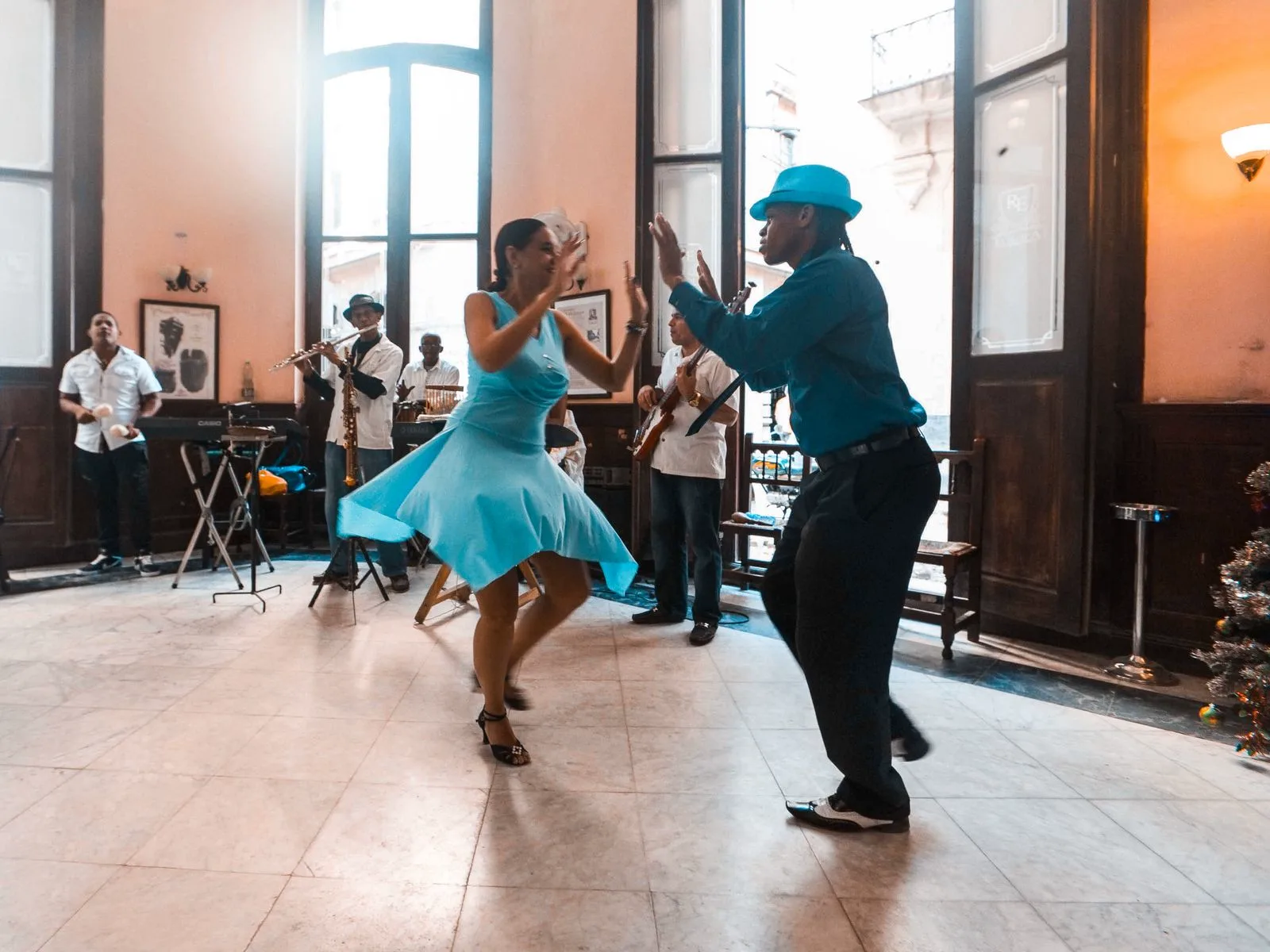
Ahoy, crew. Captain Cruz here. Every port has its own rhythm. In Havana it’s son and salsa, in Buenos Aires it’s tango, in Rio it’s samba, in Seville it’s flamenco. Watching is wonderful, but stepping onto the floor yourself is how a place really gets under your skin. A dance class abroad is one of the most joyful, social and memorable travel experiences you can have. Life is amazing, and so is a good beat.
Why Dance on Holiday?
- It’s a cultural doorway. Dance carries history, music and local pride.
- It’s social. Classes are a natural way to meet locals and fellow travellers.
- It’s exercise disguised as fun. You’ll be moving for an hour and barely notice.
- It gives you a souvenir you can’t lose: a few steps you can dance for the rest of your life.
Where to Dance What
- Cuba: salsa and son in Havana and Trinidad, often with live musicians.
- Argentina: tango in Buenos Aires, from beginner classes to elegant milongas (social dances).
- Brazil: samba in Rio de Janeiro, plus forró in the northeast.
- Spain: flamenco in Seville, Granada and Madrid. Beginner workshops focus on rhythm, clapping and posture.
- Dominican Republic: merengue and bachata, playful and easy to start.
- Colombia: Cali is famous for fast, flashy salsa.
- Portugal and Cape Verde: kizomba and funaná for a smooth, close style.
Finding the Right Class
- Ask your accommodation or local tourist office for recommended schools.
- Look for beginner or drop-in classes, often one to two hours.
- Private lessons are great if you’re shy or want fast progress.
- Check reviews for friendly teachers and a welcoming atmosphere.
Many cities have LGBTQ+ friendly schools and same-sex partner classes. Tango has a lively queer tango movement in Buenos Aires and beyond, where anyone can lead or follow. Ask schools about their approach. You deserve a floor where you feel at home.
What to Expect in Your First Lesson
- A warm-up to loosen hips and shoulders.
- Basic steps counted slowly, often without music first.
- Partner work, rotating partners so everyone dances with everyone.
- A little routine put together at the end, with music.
Nobody expects perfection. Laughter is part of the choreography.
What to Wear
- Comfortable, breathable clothes you can move in.
- Shoes with a smooth sole that can turn easily. Avoid rubber trainers that grip the floor. For flamenco, ask if they’ll lend shoes.
- A small towel and water. Sunny cities plus dancing equals sweat.
Dance Floor Etiquette
- Ask politely before dancing with someone, and accept a “no thank you” gracefully.
- Freshen up. Deodorant and mints are your friends.
- Respect the line of dance on busy floors, especially in tango.
- Say thank you after each dance.
After Class: Go Social
Once you’ve learned the basics, visit a local dance night, a salsa bar or a milonga. Watch first, then join in. Even a few songs will feel like a triumph. Check the safety and atmosphere of venues, go with friends from your class and keep an eye on your drinks.
Fair winds, crew. Dance like the locals, laugh like a sailor. Life is amazing.
Comments
Also give your opinion.

 The Captain Look





Leave a comment