

















Fly a Hull! The Captain’s Guide to Sailing a Beach Catamaran
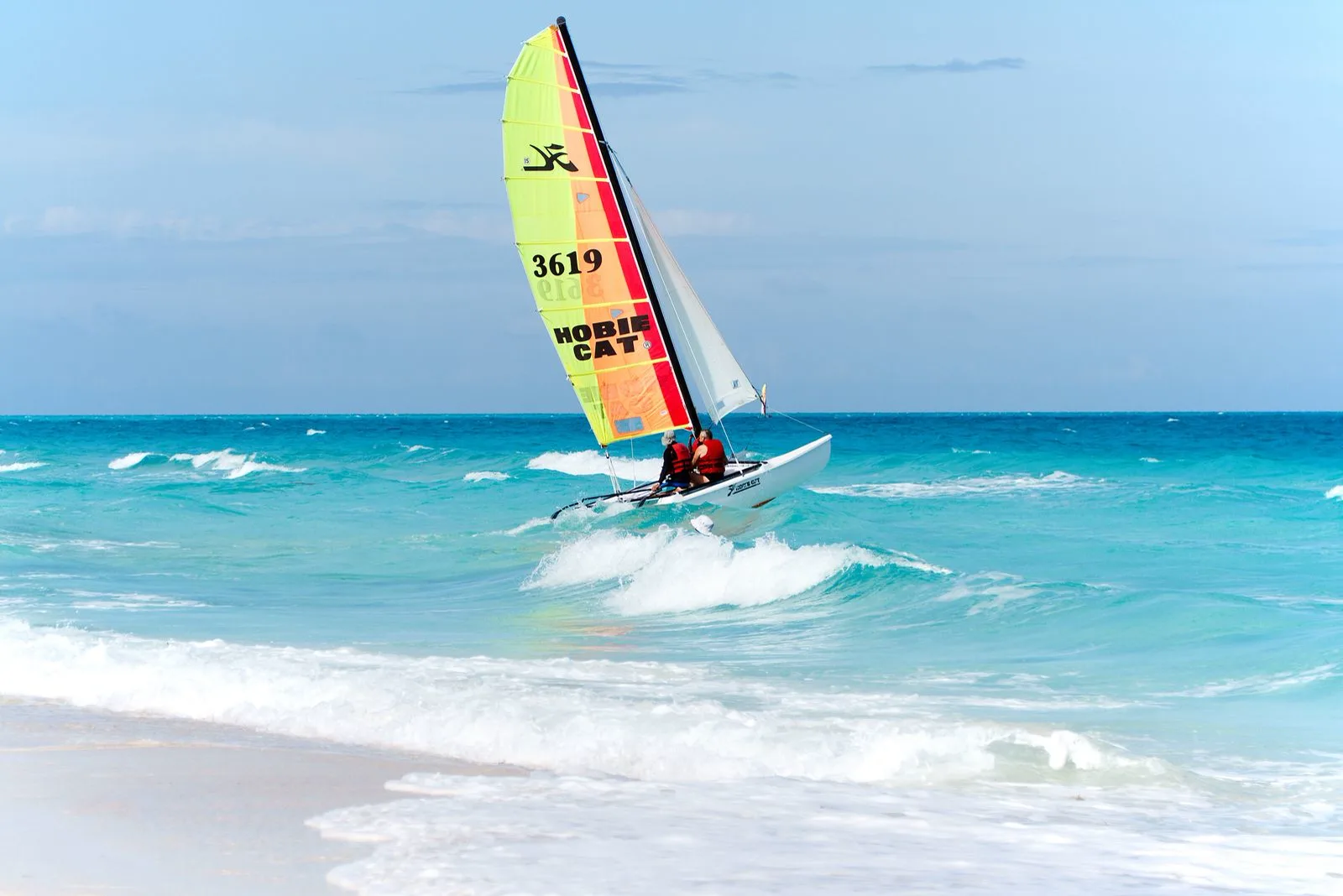
Ahoy, speed lovers. There is a special kind of joy in launching a small catamaran straight off the sand, catching a fresh breeze and feeling one hull lift out of the water as you skim across the bay. Beach cats are fast, splashy and wonderfully simple. Cruz here, your old captain, and today we are sharing how to get started. Life is amazing at full speed with spray in your face.
What a Beach Catamaran Is A beach catamaran is a small sailing boat with two slim hulls joined by a trampoline you sit on. Brands like Hobie and others are found at beach water sports centres around the world. They have no keel, so they can sail in shallow water and be pulled up onto the beach. Thanks to two hulls, they are stable at rest and very fast once the wind fills the sails.
Ways to Try It – Taster lesson: an instructor sails with you and lets you take the tiller. – Beginner course: usually a few sessions covering rigging, steering, tacking and capsize recovery. – Hire with experience: if you already sail, many centres rent cats by the hour after a quick check of your skills. – Sail with a skipper: some beaches offer rides where a local sailor does the work while you enjoy the thrill.
Your First Sail 1. Briefing on the sand. Learn the parts of the boat, the wind direction and the safety signals. 2. Life jackets on. Always, without exception. 3. Launch. You push the boat into the shallows together, hop on and steer away from the beach. 4. Steering. Push the tiller extension away from you to turn one way, pull it towards you to turn the other. Small movements are enough. 5. Trimming the sail. Pull the mainsheet in to go faster, let it out to slow down. 6. Tacking. Turning through the wind takes a confident, smooth move; your instructor will guide you through it. 7. Flying a hull. In a good breeze, one hull lifts out of the water. Lean out to keep it balanced. Pure joy, sailors.
Capsize? No Drama Beach cats can tip over in strong gusts. In a lesson, you will practise righting the boat with a line and your body weight. Stay calm, hold on to the boat, and wait for the rescue boat if you need help. Most centres keep a safety boat on the water.
What to Wear – Swimwear and a rash vest, or a shorty wetsuit if the water is cool. – Water shoes or sailing boots for grip on the trampoline. – Sunglasses with a strap and a cap with a clip. – Plenty of water-resistant sun cream. – Leave valuables on shore, or use a small waterproof pouch.
Choosing a Centre Look for well-maintained boats, qualified instructors, clear sailing areas away from swimmers and a safety boat on the water. Ask about wind conditions; light to moderate breezes are perfect for beginners, while strong winds are for the experienced.
The Captain’s Thought Racing over turquoise water on two narrow hulls, the wind singing in the rigging and the beach shrinking behind you, is a feeling that stays with you for life.
Hold the tiller, trust the wind and enjoy the ride. Life is amazing, speed lovers.
Comments
Also give your opinion.

 The Captain Look





Leave a comment