

















Follow the Scent: The Captain’s Guide to Spice Farm Tours
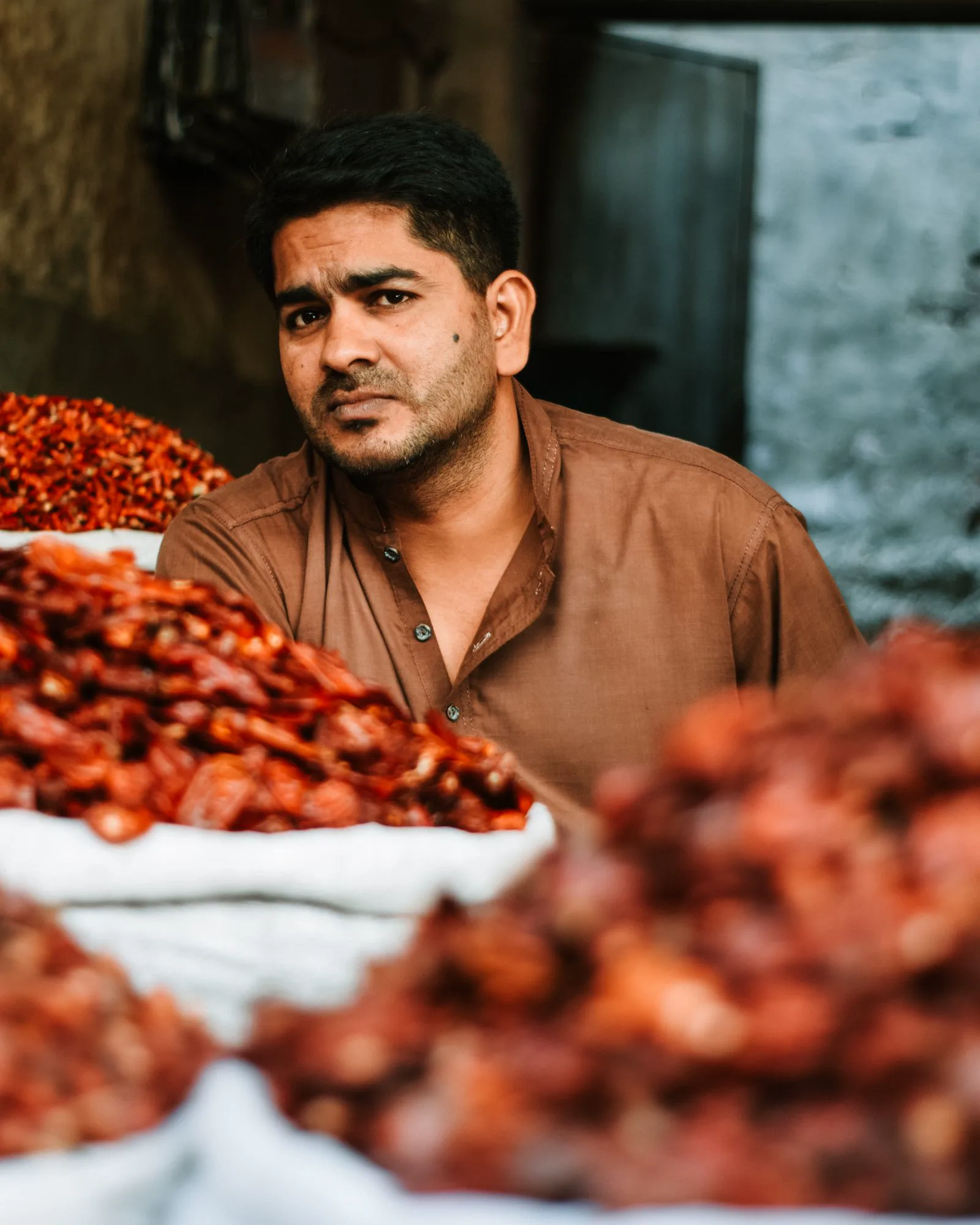
Ahoy, Cruz del Mar here, your Sailor Uncle. For centuries, sailors crossed oceans for the treasures in your spice rack. Pepper, cinnamon, cloves and nutmeg were once worth fortunes, and whole fleets set sail in search of them. Today you can stroll through a tropical spice garden and see them growing in the sunshine, crush a fresh leaf between your fingers and breathe in the history. A spice farm tour is a feast for every sense. Life is amazing.
Where to Find Spice Farms
Spice gardens and farms welcome visitors in many tropical places, especially on islands and in lush, sunny hill regions across the Indian Ocean, South and Southeast Asia and the Caribbean. Many are small family farms, others are botanical-style gardens with guided walks. Ask your hotel or local tourism office for well-reviewed tours.
What You Might See Growing
- Black pepper: a climbing vine with clusters of green berries. Green, black and white pepper can all come from the same plant, depending on how the berries are picked and processed.
- Cinnamon: the bark of a tree, peeled and rolled into quills. Guides often let you smell a freshly cut piece. Unforgettable.
- Cloves: dried flower buds of a tall tree.
- Nutmeg and mace: both from the same fruit. Nutmeg is the seed; mace is the bright red lace that wraps around it.
- Vanilla: an orchid vine whose flowers are often pollinated by hand, which helps explain its price.
- Cardamom, ginger, turmeric and lemongrass: fragrant plants growing low among the trees.
- Tropical fruit trees, often part of the same garden.
What a Tour Is Like
Most tours are relaxed walks of an hour or two, led by a guide who picks leaves, bark and pods for you to smell and taste, and tells stories of how each spice is grown and used. Many finish with a tasting: spiced tea, fresh fruit, or a simple lunch cooked with what you have just seen. Some offer a short cooking demonstration too.
What to Bring
- Comfortable shoes for uneven, sometimes muddy paths.
- Sun hat, sunglasses and sun cream.
- Insect repellent for lush gardens.
- Water, especially on warm, humid days.
- Small change for tips or the farm shop, where card machines may not be available.
Buying Spices to Take Home
- Buy whole spices when you can: cinnamon quills, whole nutmeg, peppercorns, cloves, vanilla pods. They keep their flavour much longer than ground versions.
- Look for freshness: strong aroma, bright colour, sealed packaging.
- Buying direct from the farm supports local growers.
- Check your home country’s rules for bringing plant products through customs. Dried, packaged spices are often fine, but fresh plants, seeds and soil usually are not.
Bring the Flavour Home
Grate fresh nutmeg over roasted vegetables, toss a cinnamon stick into rice, crack fresh pepper over everything. Each pinch becomes a little holiday memory in your own kitchen.
Travel Gently
Choose tours that treat workers fairly and care for the land, follow your guide’s lead before picking anything, and stay on the paths. The best gardens are working farms, and we are their guests.
Follow the scent of the old spice routes, sailor. Life is amazing.
Comments
Also give your opinion.

 The Captain Look






Leave a comment