

















Kayaking for Beginners: The Captain’s Guide to Your First Paddle
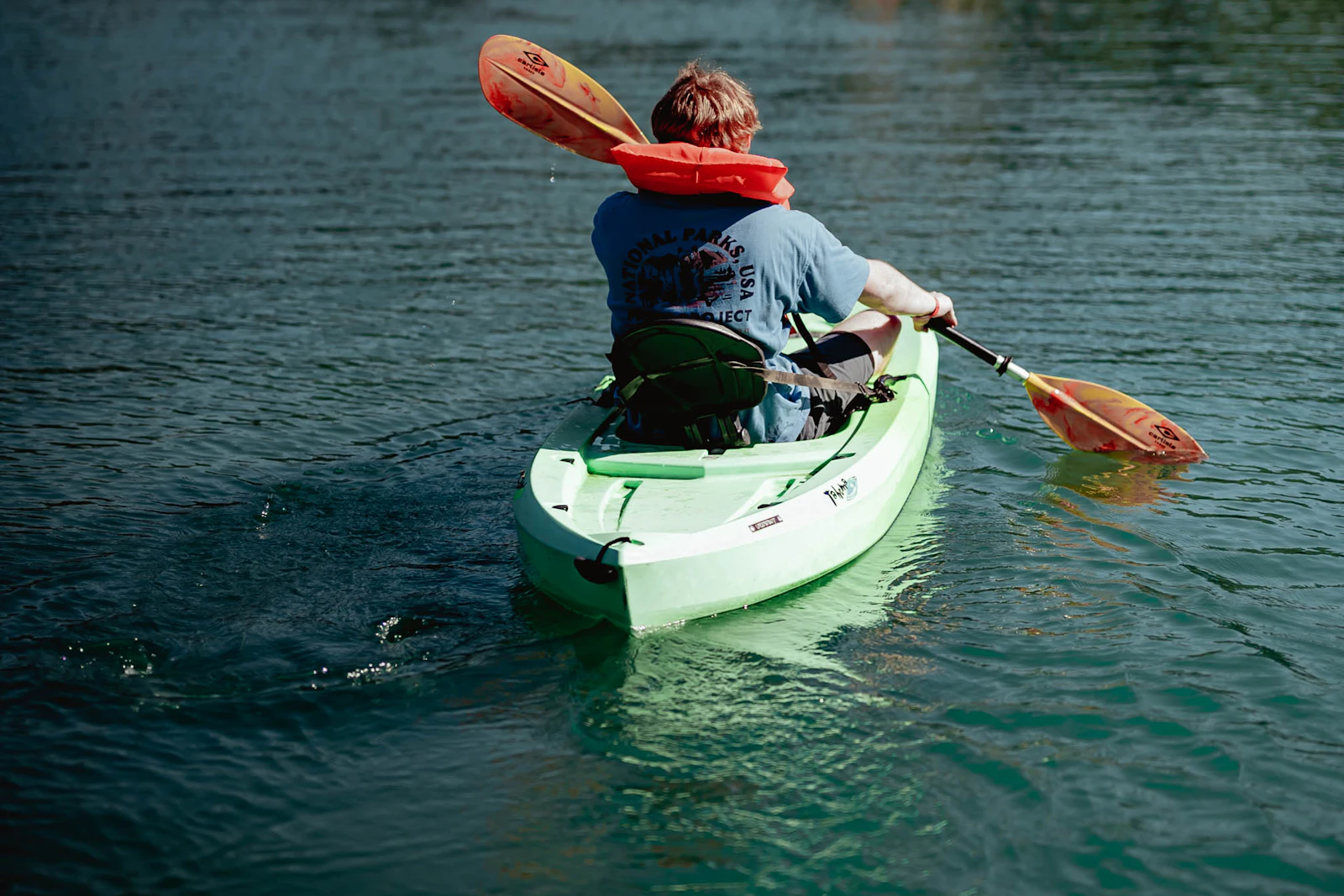
There is a particular kind of peace that only comes from sitting low on calm water, paddle in hand, with nothing but the drip of the blade and the call of a seabird. Your Captain has spent a lifetime on the water, and a kayak is one of the finest ways to meet it up close. Here is how to make your first paddle a joy.
Start With a Guided Trip or a Rental Lesson
For your first time, book a guided tour or a rental that includes a short lesson. A good guide will fit you to the boat, adjust the footrests, show you how to hold the paddle and pick a sheltered route. Lakes, calm bays and slow rivers are perfect first waters. Leave open sea, waves and fast currents for later voyages.
Sit-On-Top or Sit-Inside?
- Sit-on-top kayaks are stable, easy to climb back onto and great in warm water. Most beach rentals are this type.
- Sit-inside kayaks keep you drier and are faster, but take a little more skill if you tip over.
- Tandem kayaks are sociable and stable. Just know they are famously called “divorce boats” for a reason, so pick a patient partner.
Hold the Paddle the Right Way
Hands a little wider than shoulder-width. The blades are usually slightly curved: the scooped side faces you as it pulls through the water. If there is a guide mark or an asymmetrical shape, the shorter edge goes at the bottom.
The power comes from your core, not your arms. Rotate your torso as you place the blade near your feet and pull it back to your hip. Relaxed grip, tall back, smooth strokes. Good form will save your shoulders and let you paddle for hours.
Steering in Three Moves
- Forward stroke: alternate sides, blade in near your toes, out at your hip.
- Sweep stroke: a wide arc on one side to turn the boat away from that side.
- Reverse stroke: push the blade forward to slow down, stop or back up.
The Captain’s Safety Checklist
- Always wear a buoyancy aid or life jacket, fastened. Every time.
- Check the weather and wind. Offshore wind (blowing from land to sea) can push you out further than you planned.
- Tell someone your route and when you will be back.
- Paddle out against the wind or current first, so the way home is the easy way.
- Stay within a comfortable distance of the shore while you are learning.
What to Wear and Pack
Quick-drying clothes, never cotton jeans. A hat, sunglasses with a strap and reef-safe sun protection, because the sun reflects off the water. Water shoes or sandals with a back strap. A dry bag for your phone, keys and snacks, and plenty of water to drink.
If You Tip Over
It happens to every sailor, darling, and it is usually funny. Stay calm, hold onto your paddle and the boat, and follow the method your guide showed you to climb back on. Practise once near the shore on purpose. After that, the fear is gone.
Glide slowly, look around, listen to the water. Life is amazing out there. Your Captain will see you on the next horizon.
Comments
Also give your opinion.

 The Captain Look





Leave a comment