

















Up, Up and Away: The Captain’s Guide to Your First Parasailing Flight
 By Cruz del Mar
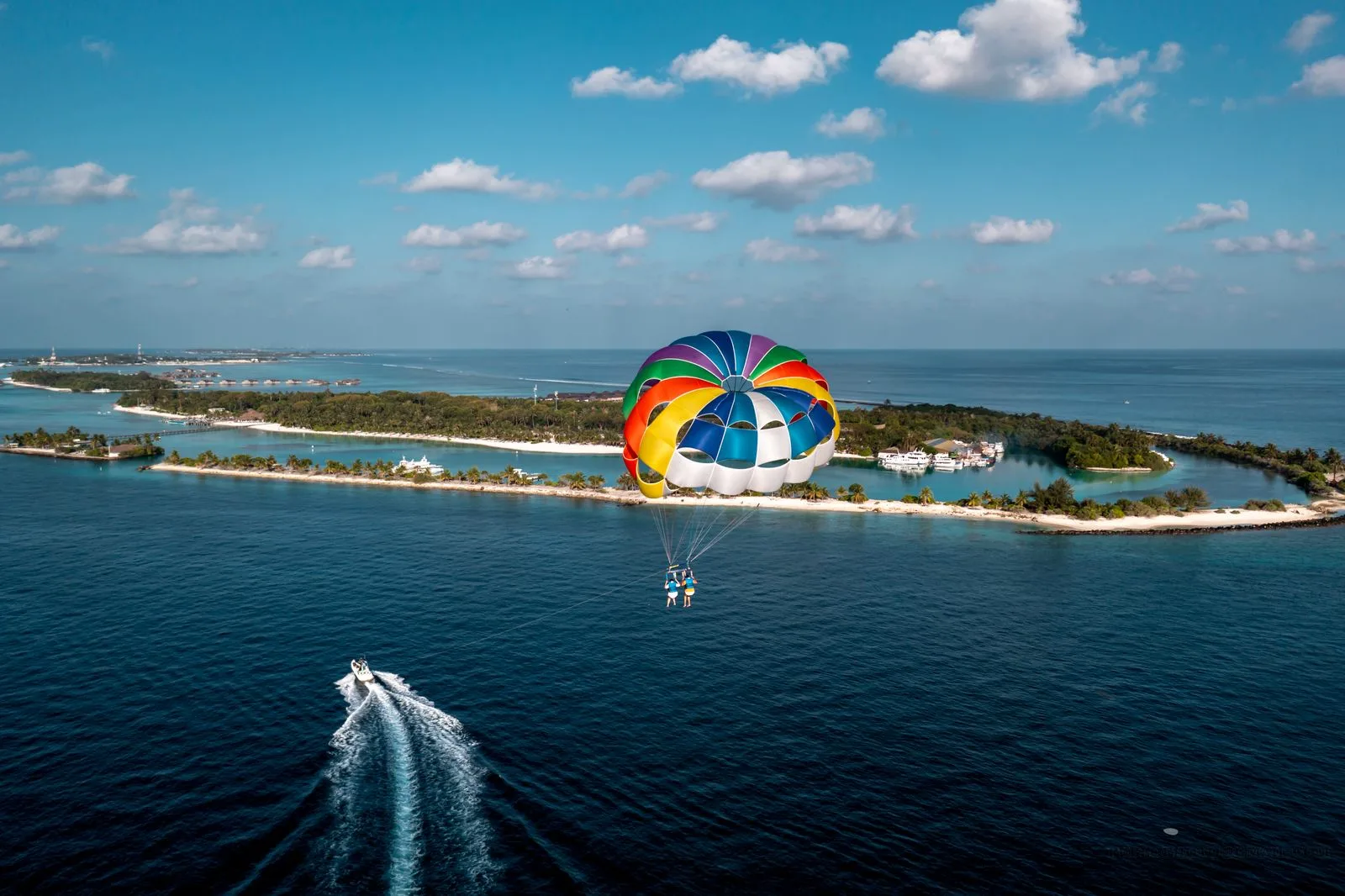
Ahoy, sailors! Imagine floating high above turquoise water, the boat a tiny white dash below, the coastline spread out like a postcard and nothing but the breeze in your ears. That’s parasailing, and it might be the most relaxing thrill the sea has to offer. No experience needed, no fitness test, just a harness, a good crew and a big smile.
Your Captain has watched plenty of first-timers go up nervous and come down glowing. Here’s how to make your first flight a dream.
What Parasailing Actually Is
You’re clipped into a harness attached to a large parachute-style canopy, which is towed behind a boat on a long line. As the boat moves, the canopy fills with air and lifts you gently into the sky. On most modern boats, you take off from and land back on a platform at the back of the boat, so you might not even get wet (unless you ask for a “dip”, which is great fun).
- Solo, tandem or triple flights are common, so you can fly with a partner or friend.
- Flights usually last around 10 to 15 minutes in the air, with time on the boat watching others.
- Heights vary by operator and line length. Ask before you book.
Choosing a Good Operator
This is the most important decision you’ll make, so take your time.
- Licensed and insured: ask, and expect a clear answer.
- Clear safety briefing before anyone leaves the dock.
- Well-kept gear: harnesses, lines and canopies should look clean and in good condition.
- Weather-wise crews: good operators cancel or postpone when wind or sea conditions aren’t right, and they’ll rebook or refund you. That’s a sign of professionalism, not a nuisance.
- Recent reviews that mention safety and friendly crew.
Before You Go
- Check any weight limits. Operators often have minimum and maximum combined weights for tandem flights, so share your details honestly when booking.
- Eat lightly beforehand, especially if you’re prone to seasickness.
- Sunscreen everywhere, including ears, neck and the tops of your feet.
- Wear swimwear with a T-shirt or rash guard on top.
- Leave loose items ashore: hats fly, flip-flops escape, sunglasses need a strap.
In the Air
- Relax into the harness. It’s designed to hold you comfortably, like a swing seat.
- Hold the straps lightly, not with a death grip.
- Look around and breathe. The view is the whole point: coastlines, reefs, other boats, maybe dolphins or turtles if the sea is feeling generous.
- Follow hand signals from the crew. They’ll explain them in the briefing.
- Bring your phone only in a secure waterproof lanyard case, or let the crew take photos (many offer packages).
Nervous About Heights?
Many people who dislike heights love parasailing, because there’s no edge to look over and the movement is smooth and floaty. Fly tandem with someone you trust, and tell the crew it’s your first time. They’ll keep things gentle.
Who Shouldn’t Fly
If you have heart, back or neck problems, are pregnant, or have any medical condition that might be affected, check with a doctor first and tell the operator. Never fly after drinking alcohol.
Be Kind to the Coast
Choose operators who respect marine areas, keep a distance from swimmers and wildlife, and take rubbish home. A beautiful sea is the reason we’re all up there.
Floating over the ocean with the wind for company is something you’ll never forget. Life is amazing, sailors. Go see it from above.
Comments
Also give your opinion.

 The Captain Look





Leave a comment