

















Art Beneath the Waves: The Captain’s Guide to Underwater Sculpture Parks
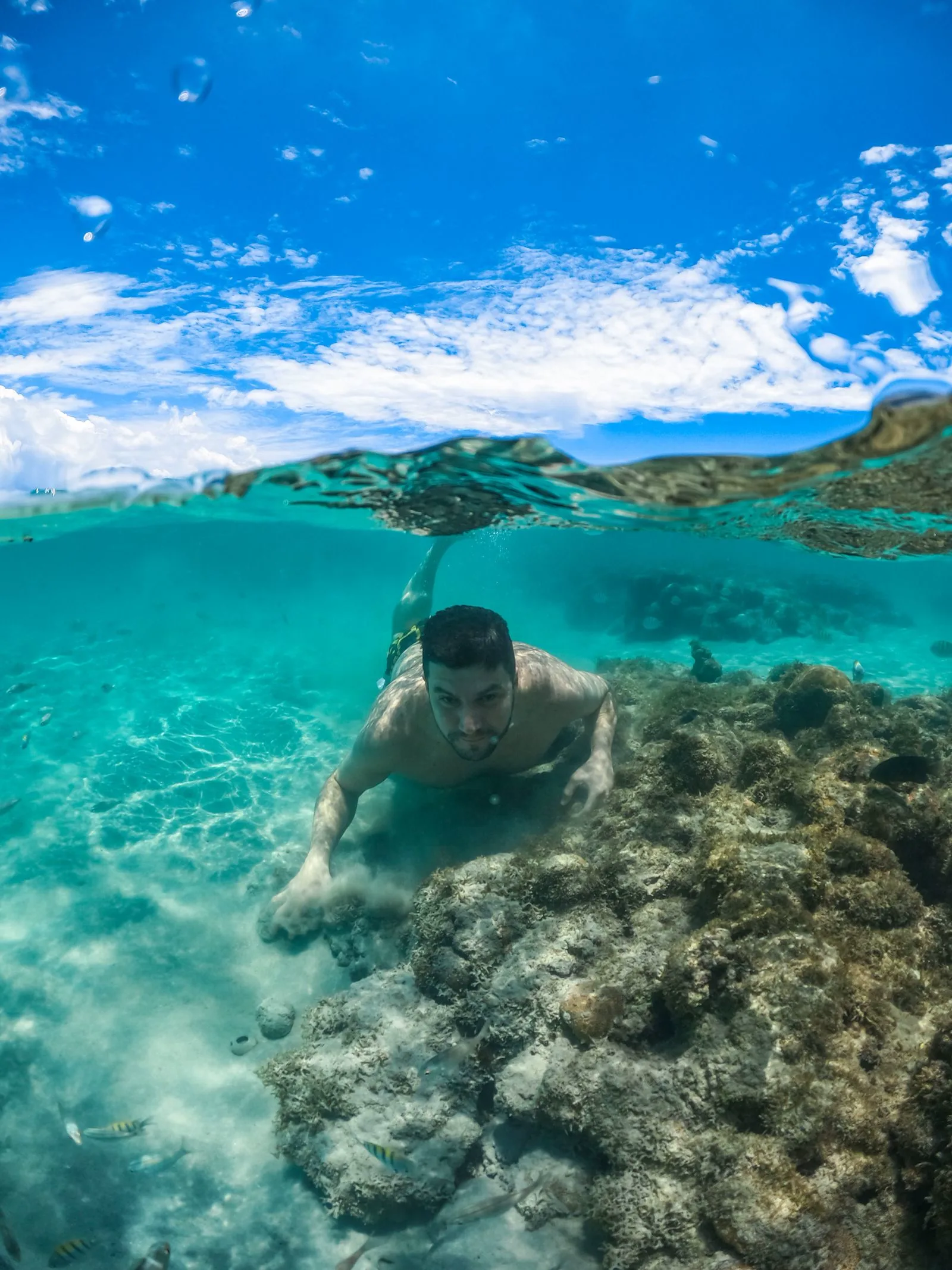
Picture this, sailors: you float face-down in warm, clear water, and below you a crowd of stone figures stands on the sand, wrapped in coral and surrounded by curious fish. Not a shipwreck, not a reef, but an art gallery under the sea. Captain Cruz here, and today we dive into underwater sculpture parks, the most magical museums you will ever visit in swim shorts.
What Is an Underwater Sculpture Park?
These are collections of sculptures placed on the seabed on purpose, usually made from pH-neutral marine cement designed to welcome sea life. Over the years, corals, sponges and algae settle on them, fish move in, and the art slowly transforms. Many were created to take pressure off busy natural reefs, giving snorkellers and divers somewhere new to explore while the wild reefs get a little rest. Every visit is different, because the sea keeps sculpting.
A Few Famous Ones to Put on Your Map
- Grenada, Caribbean: the Molinere Underwater Sculpture Park near the island’s west coast is often called the first of its kind, with shallow pieces you can see while snorkelling.
- Cancún and Isla Mujeres, Mexico: the underwater museum known as MUSA holds hundreds of figures, with some sites shallow enough for snorkellers and glass-bottom boats.
- Lanzarote, Canary Islands: Museo Atlántico sits deeper, around a dozen metres down, so it is a dive site. A guided try-dive with a local centre can get beginners there.
- Ayia Napa, Cyprus: an underwater sculpture museum off the coast with tree-like and human figures, popular with snorkellers on calm days.
New parks appear around the world every few years, so ask the local dive shops wherever you sail. Many coastal towns have a statue or two hidden just off the beach.
Snorkel or Dive?
Check the depth before you book. Sculptures in two to six metres of water look gorgeous from the surface on a sunny day, when the light dances on them. Deeper pieces need scuba gear, or at least a guided discovery dive with an instructor at your side. If you are a confident swimmer but new to the sea, a guided snorkel tour from a boat is the sweet spot: someone else handles the route, the currents and the boat traffic.
Etiquette Under the Waves
- Look, never touch. The living coral on the statues is fragile, and some growths sting. No hugging the art for photos, however tempting.
- Keep your fins up. Float flat and kick gently so you do not stir up sand or kick a statue.
- Reef-friendly sun protection. A rash vest covers most of you, and mineral sun cream applied well before you swim stays on your skin, not in the water.
- Pay the fee. Many parks are inside marine reserves. The small entry charge helps protect them.
Captain’s Tips for the Best Visit
- Go in the morning, when the water is usually calmest and clearest and the sun is climbing high.
- Bring a mask that truly fits. Leaks ruin the show faster than anything.
- Take a waterproof camera or a phone in a proper waterproof case, tied to your wrist.
- Ask your guide about the artist’s story. Many pieces carry messages about the ocean, climate and community, and knowing them makes the swim even more moving.
Art you swim through, fish that treat statues like apartment blocks, and a reef growing before your eyes: this is culture with a splash. Grab your mask, sailors. Life is amazing, and sometimes the best gallery has no walls at all.
Comments
Also give your opinion.

 The Captain Look





Leave a comment