

















Aprons On: The Captain’s Guide to Taking a Cooking Class Abroad
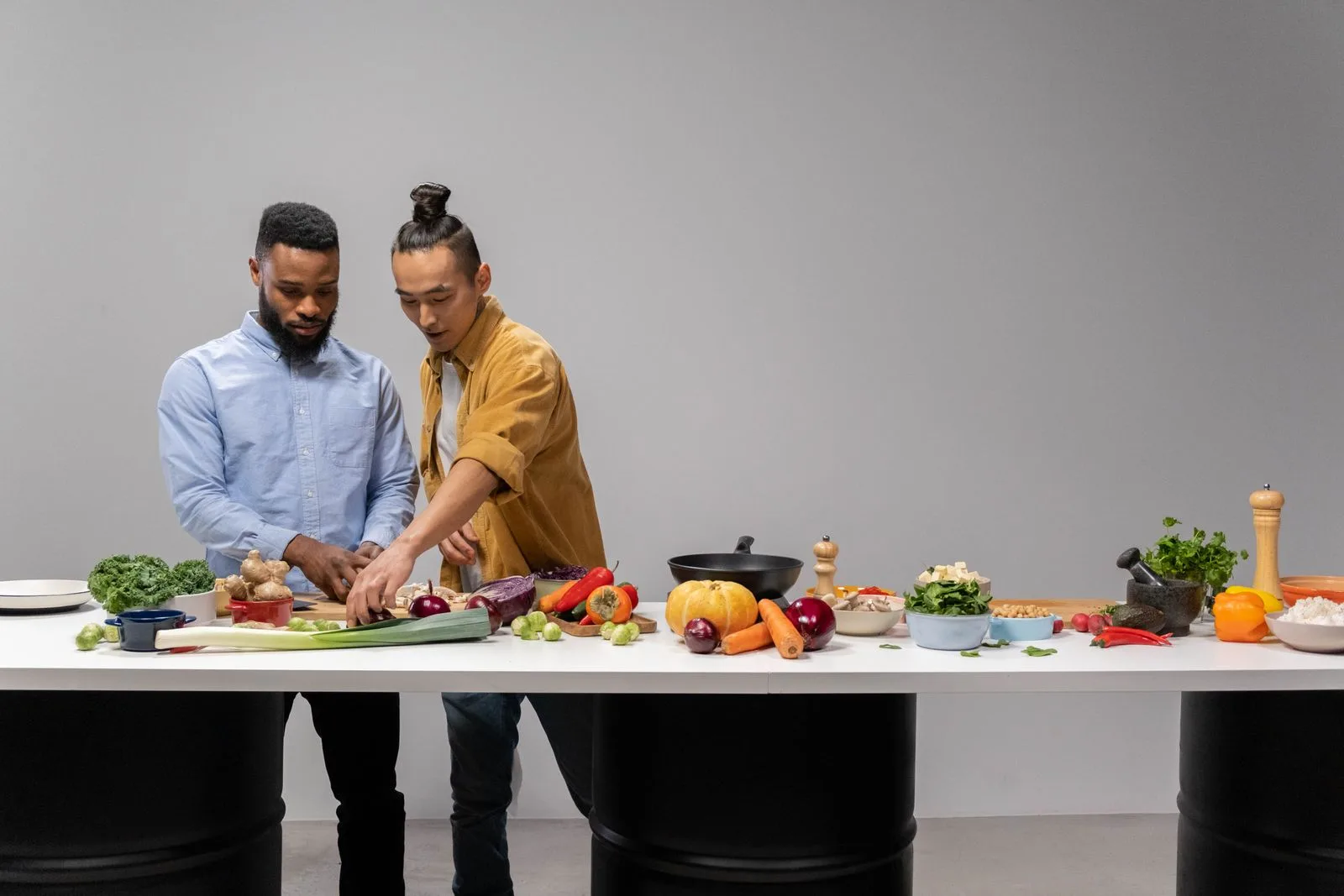
Ahoy, sailor! The captain has eaten in harbours all over the world, and the best souvenirs he ever brought home were recipes. A cooking class abroad lets you taste a place from the inside: its markets, its grandmothers’ secrets, its way of gathering around a table. Plus, you get to eat everything you made. Here is how to choose one and make the most of it.
Why a Cooking Class Beats Another Restaurant
- You learn the why, not just the taste: why that spice, why that pan, why it is eaten on that day.
- You meet people. Local hosts, fellow travellers from everywhere, often new friends for the rest of your trip.
- It is a souvenir that lasts. Every time you cook that dish at home, you are back on holiday.
- It is wonderful solo. One of the easiest ways to enjoy a social day when travelling alone.
Kinds of Classes
- Market-to-table. Start at a local market choosing ingredients with your host, then cook. The most immersive option.
- Home cooking with a family. Intimate and heartfelt, often in someone’s own kitchen.
- Cookery schools. Well equipped, structured and great for learning technique.
- Speciality classes. Pasta, dumplings, curry pastes, tapas, pastries, street food. Pick what excites you.
- Farm and countryside classes with gardens, olive groves or vineyards. Beautiful settings, seasonal produce.
How to Choose a Good One
- Read recent reviews and look for comments on the host, the group size and how hands-on it is.
- Hands-on, not just watching. Check that you actually cook rather than watch a demonstration.
- Small groups mean more attention and more fun.
- Dietary needs. Vegetarian, allergies or no pork? Tell them when you book, and confirm they can adapt.
- Location and timing. Morning classes with a market visit usually end with lunch. Evening classes end with dinner and often a drink.
- A recipe pack to take home is a lovely bonus.
What to Bring and Wear
- Comfortable closed shoes for kitchens and markets.
- Light clothes you don’t mind splashing. Aprons are usually provided.
- A small bag for market purchases, spices and recipe cards.
- An empty stomach. You will taste as you go and then sit down to a feast.
Make the Most of the Day
- Ask questions. Hosts love curious guests. Where to buy the best spices, which dish is for celebrations, what their family argues about.
- Take notes and photos of each step. Memory blurs after the second glass of local wine.
- Buy one key ingredient to take home, if your customs rules allow it.
- Cook it again within a week of getting home while you still remember the details.
Respect the Kitchen
- Follow hygiene rules and wash your hands often.
- Respect traditions. Some dishes have rules for good reasons.
- Say thank you in the local language. It always lands.
The Final Word
The way to a culture’s heart is through its kitchen. Roll up your sleeves, get flour on your nose and carry a little of every port home in a recipe. Life is amazing, sailor.
Comments
Also give your opinion.

 The Captain Look






Leave a comment