

















Keep It Dry, Sailor: The Captain’s Guide to Dry Bags for Water Days
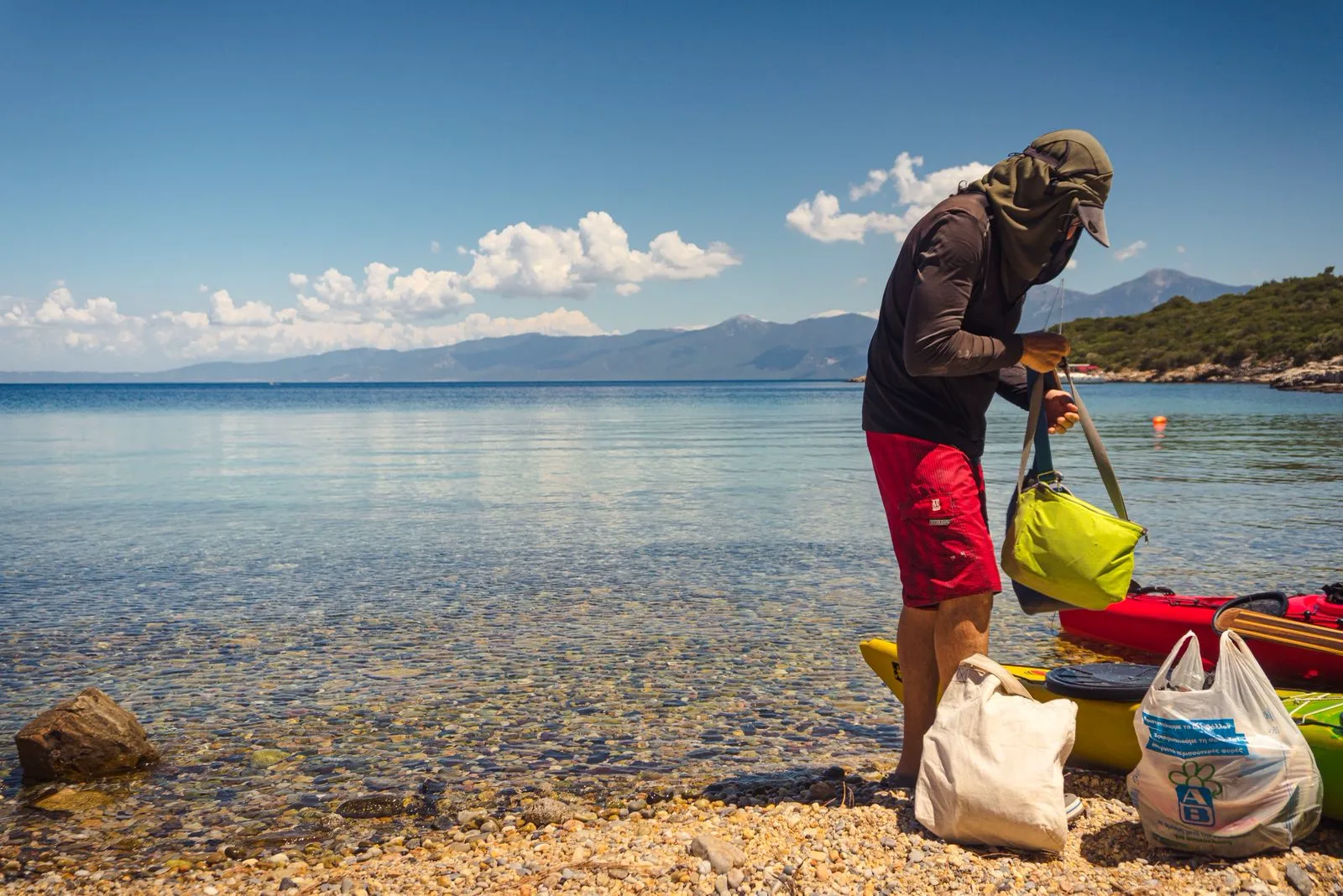
Ahoy, shipmates. Every sailor has a story about the phone that went swimming, the car keys lost in a wave or the sandwich that turned to soup in the bottom of a kayak. The cure for all of these is wonderfully simple: a good dry bag. This humble roll-top sack keeps your treasures safe on boats, paddleboards, kayaks and wild beaches. Here is how to choose one and pack it like an old salt.
What Is a Dry Bag?
A dry bag is a waterproof sack, usually made from coated nylon or PVC, with a roll-top closure. You fold the top over several times and clip the buckle. That rolled seal keeps out splashes, spray and rain, and many bags survive a quick dunk too.
How Waterproof Is Waterproof?
- Splash-proof: fine for spray, rain and a wet deck.
- Waterproof for short dunks: survives falling into the water briefly if sealed well.
- Submersible: made to be underwater for longer, usually with special seals or zips. Less common and pricier.
Most everyday dry bags handle splashes and short swims, not long submersion. Check the product description and treat “waterproof” with healthy respect.
Choose Your Size
- Small (1 to 5 litres): phone, keys, wallet, sunglasses, sunscreen. Perfect for paddleboarding.
- Medium (10 to 20 litres): day essentials, towel, a light layer, snacks. Ideal for boat trips and kayaking.
- Large (30 litres and up): for camping trips, sailing weekends and multi-day paddles.
A few small bags are often more useful than one big one: you can find things faster and separate wet from dry.
Extra Features Worth Having
- Shoulder strap or backpack straps for carrying along the beach.
- A clear window or clear bag so you can see what’s inside.
- D-rings to clip the bag to a kayak or boat.
- Bright colours that are easy to spot if the bag floats away.
- Phone pouch with touch-through window for photos and maps without opening anything.
How to Seal It Properly
- Pack your things, leaving some space at the top.
- Squeeze out excess air.
- Fold the top over at least three times, tightly.
- Clip the buckle.
Fewer than three rolls and water may find its way in. A little air left inside helps the bag float if it goes overboard.
Packing Like a Captain
- Phone and electronics in their own small bag or pouch, inside the main dry bag. Double protection.
- Heavy items at the bottom, things you need quickly at the top.
- Spare dry clothes in a separate bag, so a wet towel never touches them.
- Snacks in a sealed box to stop them getting squashed.
- Sunscreen and water bottle clipped outside or on top.
Day-Trip Checklist
Phone, keys, cards, a little cash, sunglasses, sunscreen, lip balm, water, snacks, a light top, a towel and any medication you need. A small first aid kit is a captain’s best friend.
Secure It on Board
On a kayak or paddleboard, clip the bag to the deck lines with a carabiner or strap it under bungee cords. On a boat, stow it where it can’t slide overboard and away from the bilge water at the bottom.
Look After Your Bag
Rinse it with fresh water after salt water, turn it inside out to dry completely and store it out of the sun. Check the seams and the roll-top for damage before each trip.
A dry phone, dry towel and a dry sandwich at the end of a splendid day. Life is amazing, sailor.
Comments
Also give your opinion.

 The Captain Look






Leave a comment