

















One Step at a Time: The Captain’s Guide to Your First Long-Distance Walk
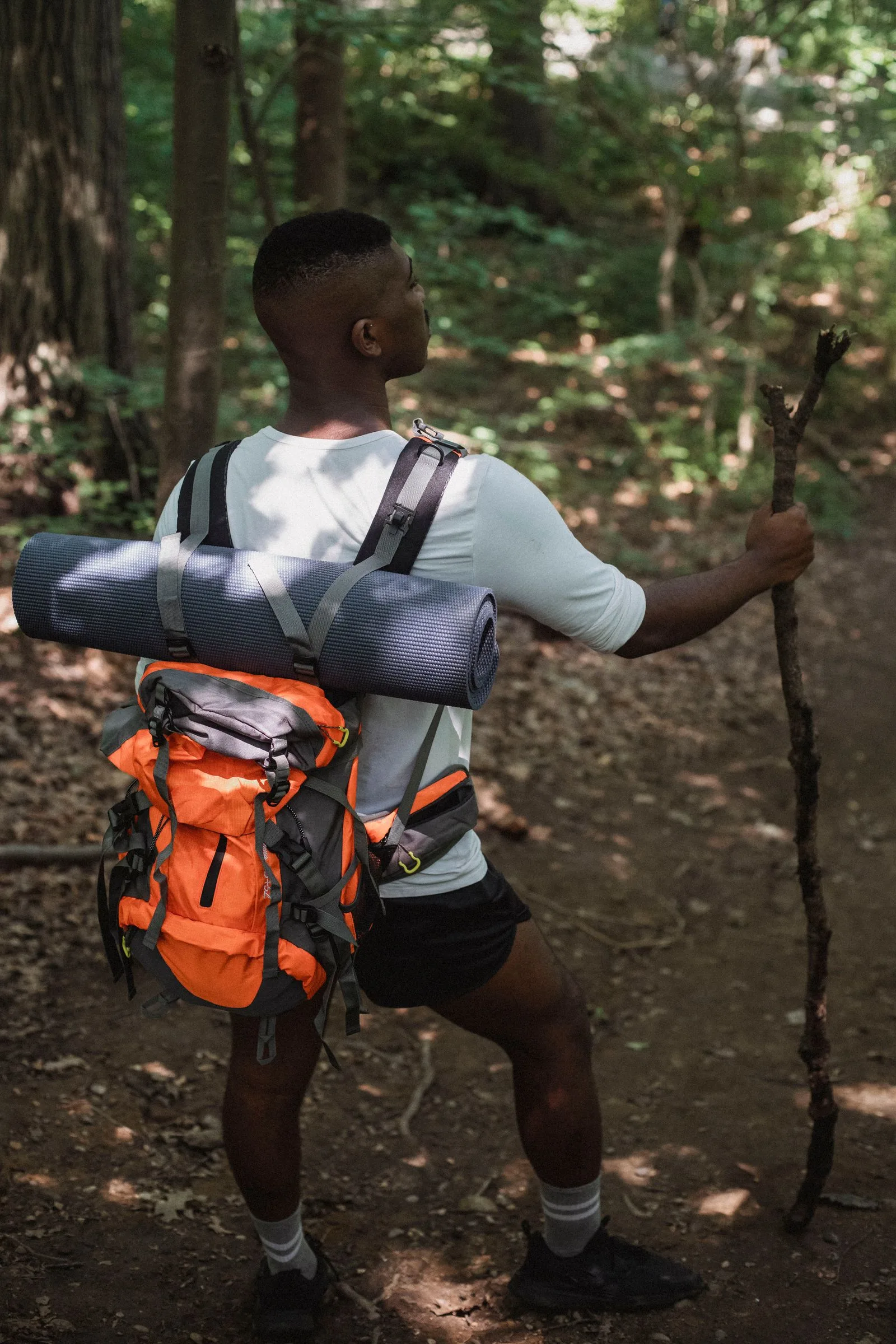
Ahoy, darlings. The sea taught the Captain that the best journeys are slow ones. And on land, nothing is slower or more soul-stirring than a long-distance walk: days on foot along an old path, village to village, inn to inn, with nothing to do but put one foot in front of the other. Whether it’s an ancient pilgrim route or a coastal trail, here’s how to plan your first multi-day walk.
Why Walk for Days?
Something happens around day three. Your shoulders drop, your phone gets ignored, and you start noticing everything: birdsong, the smell of bread from a bakery, the kindness of strangers who wave you on. Long-distance walks are part adventure, part moving meditation, and they’re wonderfully sociable too. You’ll keep bumping into the same fellow walkers, and by the end you’ll have a whole new crew.
Choosing Your First Route
- Start with three to five days. Long enough to feel the magic, short enough to finish happy.
- Pick a well-marked, popular route with good waymarking, guidebooks and plenty of places to sleep and eat. Famous pilgrim paths and national trails are perfect for beginners.
- Check the daily distances. For a first trip, 15–20 km a day on mostly gentle ground is plenty.
- Look at the terrain. Rolling countryside is very different from mountain passes. Be honest about your fitness.
Self-Guided, Guided or DIY?
- Self-guided packages: a company books your accommodation and often moves your main luggage between stops, so you walk with just a daypack. Brilliant for a first time.
- Guided group walks: a leader, a ready-made group and zero navigation stress.
- DIY: book your own stays and carry your own bag. More freedom, more planning.
Train a Little First
You don’t need to be an athlete, but your feet and legs need to know what’s coming.
- Walk regularly in the weeks before you go, building up to a couple of back-to-back long days.
- Train in the boots and pack you’ll use, with the weight you’ll carry.
- Add some hills or stairs if your route has climbs.
Pack Light, Pack Smart
The golden rule: every gram counts when it’s on your back for days.
- Worn-in walking shoes or boots, never brand new.
- Two or three pairs of good walking socks and a light pair for the evenings.
- Quick-dry layers you can wash in a sink and dry overnight.
- A waterproof jacket, a sun hat, sunscreen and sunglasses.
- A small first-aid kit with blister plasters.
- A refillable water bottle and snacks for between villages.
- Lightweight evening shoes or sandals to give your feet a break.
Look After Your Feet
Your feet are your engine. Stop the moment you feel a hot spot and cover it before it becomes a blister. Keep your toenails trimmed, change into dry socks at lunchtime if your feet are sweaty, and take your shoes off whenever you rest. In the evening, a little stretch and a foot rub work wonders.
Pace Yourself
- Start early to enjoy cool mornings and arrive with time to relax.
- Walk at a pace where you can chat. If you can’t, slow down.
- Take regular short breaks to eat, drink and rest your feet.
- Listen to your body. A shorter day or a rest day is not failure. It’s wisdom.
Walk Kindly
Greet locals, respect private land and gates, stay on the marked path and leave nothing behind but footprints. On busy routes, share the trail graciously and help fellow walkers when you can. Community is half the magic.
The Captain’s Last Word
A long walk gives you the rare gift of time: time to think, to talk, to be quiet and simply to be. Lace up, step out and let the path show you the way, one step at a time. Life is amazing, darlings.
Comments
Also give your opinion.

 The Captain Look





Leave a comment