

















X Marks the Spot: The Captain’s Guide to Geocaching on Holiday
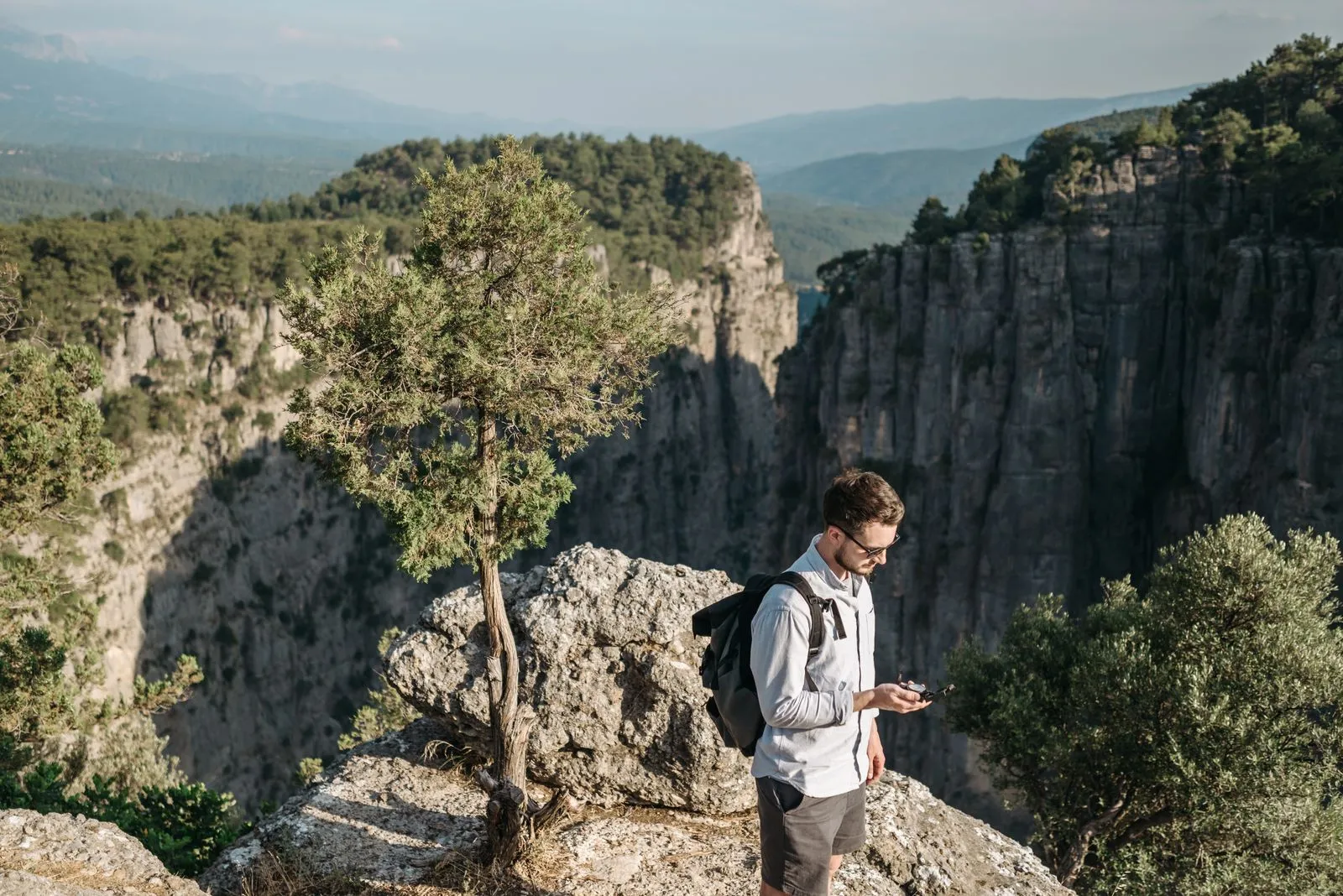
Gather round, shipmates. Every sailor dreams of buried treasure, and here is the secret: there are millions of little treasures hidden all over the world right now, waiting for you. Geocaching is a real-life treasure hunt played with your phone, and on holiday it leads you to viewpoints, hidden coves and quirky corners the guidebooks forget. Life is amazing when there is a mystery around the corner.
What Is Geocaching?
People hide small waterproof containers, called caches, and share their location online. You use a geocaching app on your phone to navigate to the coordinates, search for the hidden container, sign the little logbook inside and put it back exactly where you found it. Then you log your find in the app. That is it. Simple, free to start and surprisingly addictive.
Types of Caches You Will Meet
- Traditional: the classic. Go to the coordinates, find the box.
- Multi-cache: a trail of clues across several stages before the final hide.
- Mystery or puzzle: solve a riddle to work out where the cache really is.
- Earthcache: no box at all. You visit a remarkable geological spot and answer questions about it. Perfect for volcanoes, cliffs and beaches.
- Sizes run from tiny magnetic capsules no bigger than a thumb to ammunition-box sized chests full of swappable trinkets.
Getting Started
- Download a geocaching app and create a free account.
- Look at the map around your hotel or holiday rental. You will be amazed how many caches are within walking distance.
- Start with easy ones. Each cache has a difficulty and terrain rating. Choose low numbers for your first finds.
- Read the description and recent logs. They often hint at what to look for and whether the cache is still there.
- Download maps offline if you will be out of signal.
What to Bring
- A charged phone and a small power bank. Navigation drains the battery.
- A pen. Many tiny logbooks have no space for a pen inside.
- Small swaps if you want to trade: a keyring, a badge, a little toy. Take something, leave something of equal or greater value.
- Water, sun cream, a hat and good shoes, because the best caches love a hilltop.
Cache Like a Captain: Etiquette
- Be discreet. People who don’t play are called “muggles”. Wait until they wander off before you search, so the hiding spot stays secret.
- Leave no trace. Never dig, damage plants, lift paving or climb fences. Caches are never buried.
- Put it back exactly as you found it, closed tightly.
- Respect private property and closed areas.
- Stay safe. If a cache is on a cliff edge or near the water, use common sense and skip it if it feels risky.
Why It Makes Travel Better
- It shows you hidden places. Cache owners love to bring visitors to their favourite views and local stories.
- It gets you walking without it feeling like exercise.
- It is wonderful with friends or a partner. Splitting up the search turns into giggling teamwork.
- It is a lovely solo activity, giving your wanderings a purpose.
- You join a friendly global community, and your logs become a diary of your trips.
Captain’s Tip
Look for caches near harbours, lighthouses and beach promenades. Sailors and cachers both love a good view of the sea.
The Final Word
Treasure is never far away, shipmate. Sometimes it is a tiny box under a rock; sometimes it is the sunset view it led you to. Grab your phone, hoist the sails and go hunting. Life is amazing.
Comments
Also give your opinion.

 The Captain Look






Leave a comment