

















Blush-Coloured Shores: The Captain’s Guide to Pink Sand and Sea Glass Beaches
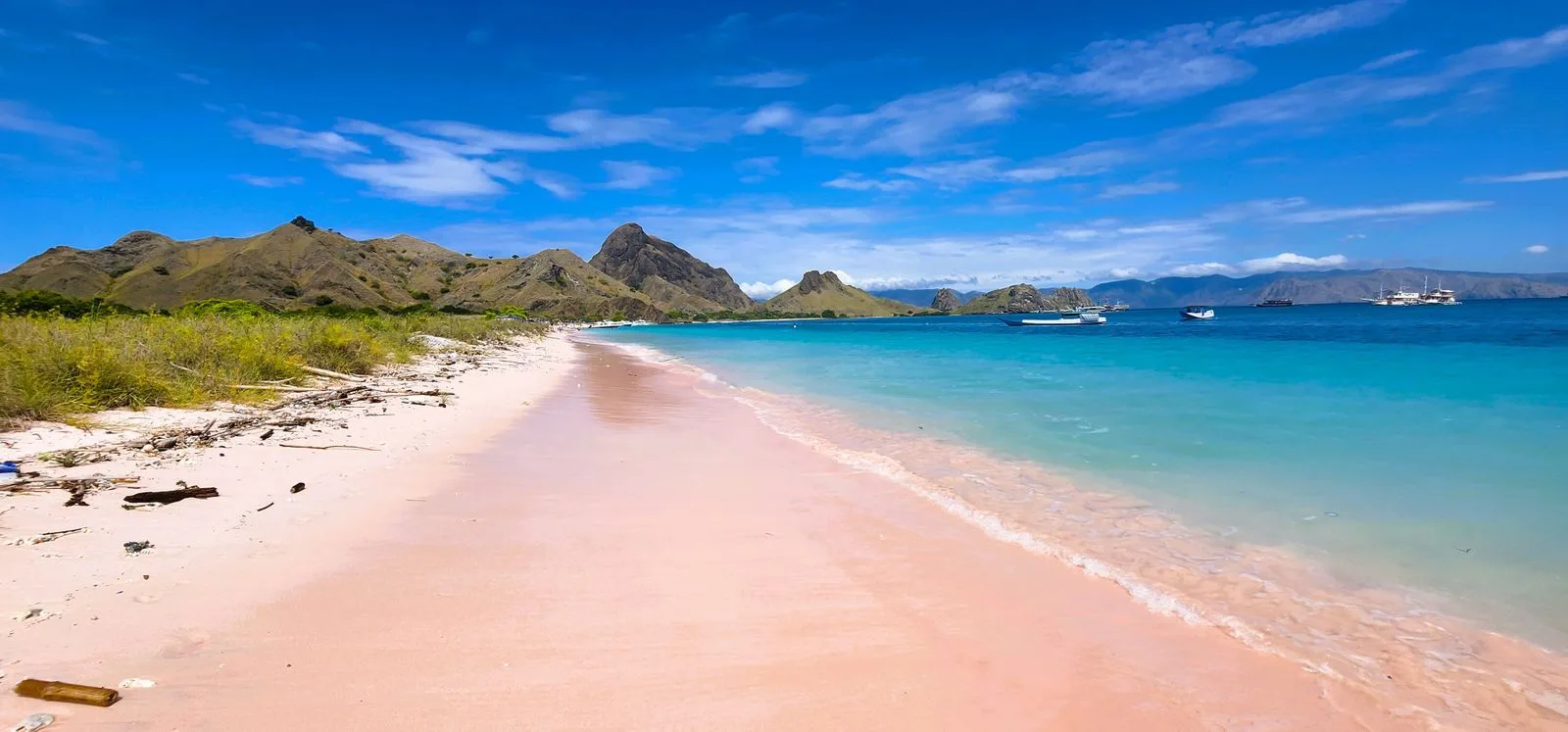
Ahoy, shipmates. Cruz del Mar here. Golden sand is lovely. White sand is dreamy. But imagine stepping onto a beach that glows soft pink, with turquoise water lapping at the edges. Or a cove where the pebbles sparkle with smooth, frosted glass in green, blue and amber. These colourful shores are among the sea’s most magical surprises. Your old captain shares where the colour comes from, and how to visit with the respect such treasures deserve. Life is amazing.
Why Is the Sand Pink?
Most pink sand gets its blush from tiny marine creatures called foraminifera. These single-celled organisms have red or pink shells. When they die, waves crush the shells and mix them with white sand, creating that rosy glow. Fragments of red coral and shells can add to the colour too. The pink is often strongest at the waterline and in the early morning or late afternoon light.
Famous Pink Shores
Pink sand appears in several corners of the world, including:
- The Komodo region of Indonesia, where pink beaches meet turquoise water and rugged green hills.
- Bermuda, known for its soft pink beaches and clear water.
- The Bahamas, particularly Harbour Island’s famous pink sands.
- Parts of the Mediterranean and the Caribbean, where small pink coves hide among rocks.
Colour can vary with the season and the tides, so do not be disappointed if it looks more peach than flamingo. Look closely at the wet sand along the shore.
What Is Sea Glass?
Sea glass starts life as broken bottles and jars. Over decades, waves and sand tumble the shards until they become smooth, frosted pebbles. Some beaches, often near old towns or former harbours, have become famous for their glittering glass. Greens, browns and clear pieces are common. Blue, purple and red pieces are rarer treasures.
The Golden Rule: Leave It Where You Find It
This is where your captain gets serious, shipmates.
- Never take pink sand home. Many pink beaches are fragile and protected, and in some places taking sand is prohibited and can lead to fines. If every visitor took a little, the colour would vanish.
- Leave sea glass on beaches that ask you to. Some famous sea glass beaches are protected and their glass has become scarce because visitors pocketed it. Take photos, not pieces.
- Follow local signs and park rules, especially in national parks and marine reserves.
Visiting Responsibly
- Stay on paths to protect dunes and plants behind the beach.
- Use reef-friendly sunscreen and avoid touching coral when snorkelling.
- Take all your rubbish home, including tiny things like bottle caps.
- Choose small, responsible boat operators for remote pink beaches.
- Keep noise low and give wildlife space.
Photography Tips
- Visit in the morning or late afternoon, when the light warms the pink tones.
- Shoot low and close to the wet sand at the water’s edge, where colour is strongest.
- For sea glass, photograph pieces in place, wet and sparkling.
- A polarising filter or sunglasses trick (holding them over your phone lens) can deepen the turquoise water.
Make a Day of It
Pack water, snacks, shade and a good book. Many colourful beaches are remote, so check boat times and bring everything you need. Swim, snorkel and simply sit, watching the waves paint the shore pink.
Some treasures are meant to be visited, not owned, shipmates. Walk barefoot, breathe deep and leave the sand blushing for the next sailor. Life is amazing.
Comments
Also give your opinion.

 The Captain Look






Leave a comment