

















Wind in Your Hair: The Captain’s Guide to Renting a Scooter on an Island
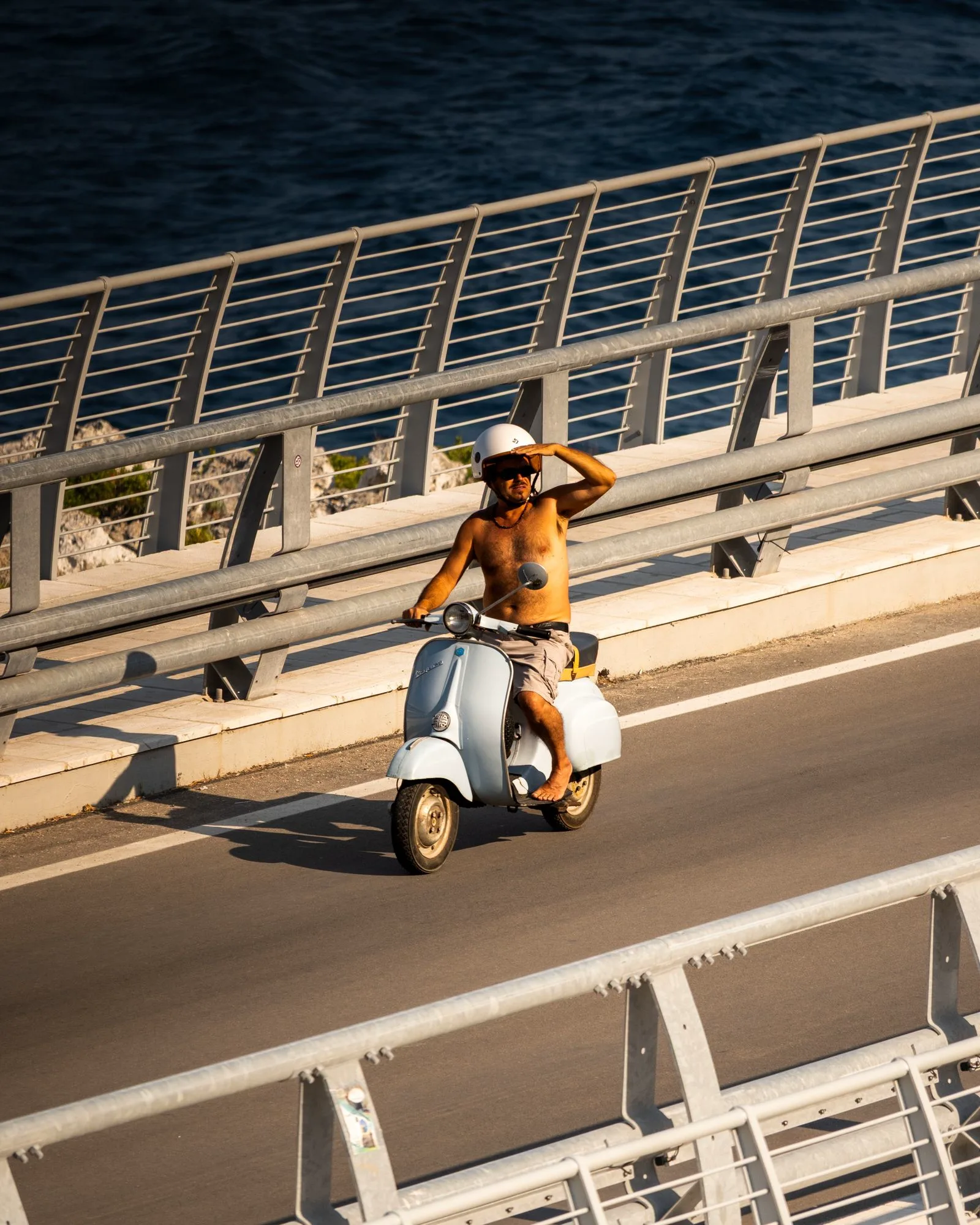
Ahoy, shipmates. There are few freedoms finer than a little scooter on an island road: the sea flashing between the olive trees, a hidden beach around the next bend, lunch wherever the view is best. I have seen many a sailor fall in love with an island from the saddle of a scooter. Let me help you do it safely and with style.
First, the Paperwork
Every country has its own rules, so check them before you go, not at the rental desk.
- Licence: small scooters often need a full car or motorbike licence, and some countries ask for a licence category that covers mopeds. Bigger engines need a proper motorbike licence. Some places also want an International Driving Permit alongside your licence.
- Insurance: ask exactly what is covered, both for the scooter and for other people. Check that your travel insurance includes riding a scooter of that size; many policies only do if you hold the right licence and wear a helmet.
- Deposit: rental shops usually take a deposit or a card hold. Read the contract before signing.
If the rules feel uncertain, a good rental shop will explain them clearly. If they shrug and say “no problem, no licence needed”, be cautious.
Choosing Your Scooter
- Start small. A 50cc or 125cc automatic scooter is more than enough for island roads. Twist and go, no gears.
- Inspect it. Check the brakes, lights, horn, tyres and mirrors before you leave. Take photos and a short video of every existing scratch, with the shop owner watching.
- Ask about fuel. Know which fuel it takes, where the nearest stations are and how full the tank is.
The Helmet Is Not Optional
Wear a helmet that fits snugly and fasten the strap, every ride, even for “just two minutes to the bakery”. Ask for a size that fits and refuse a cracked or loose one. Sunglasses or a visor protect your eyes from wind, dust and the odd insect. Closed shoes and a shirt are smarter than flip-flops and bare skin: a small slide on gravel is much kinder when you are covered.
Riding on Island Roads
- Practise first in a quiet car park until stopping and turning feel natural.
- Stay on the correct side of the road and expect locals to know the bends better than you.
- Watch the surface. Sand, gravel and loose stones gather on corners near beaches. Slow down before the bend, not in it.
- Keep your distance from buses and lorries on narrow roads.
- Never drink and ride. Save the cold drink for when the scooter is parked for the night.
- Avoid riding in the dark on roads you do not know.
Parking and Security
Park where the locals park, in marked scooter spaces, and use the steering lock and any chain the shop provides. Never leave valuables under the seat at the beach. Take your helmet with you or lock it to the bike.
Plan a Lovely Day
The best scooter day has no strict schedule. Look at a map in the morning, pick a far-away beach or a village on a hill, and let the road do the rest. Stop for a swim, find a café with a terrace, take the long way home along the coast. Keep the trip short the first day while you get used to it, then explore further.
Pack light: water, sunscreen, a small first aid kit, a phone mount or offline map, and a towel. Fill up before heading to remote areas, where fuel stations can be rare.
Is It for You?
If you have never ridden anything with two wheels and an engine, or the island roads are steep and busy, consider a guided e-bike tour, the local bus or a taxi for the tricky bits. There is no shame in choosing the safer ride.
But if the island is quiet and the road is gentle, there is nothing like it: salt air, warm sun, the whole coast at your own pace. Life is amazing, sailor.
Comments
Also give your opinion.

 The Captain Look






Leave a comment