

















Wings Beneath the Waves: The Captain’s Guide to Swimming With Manta Rays
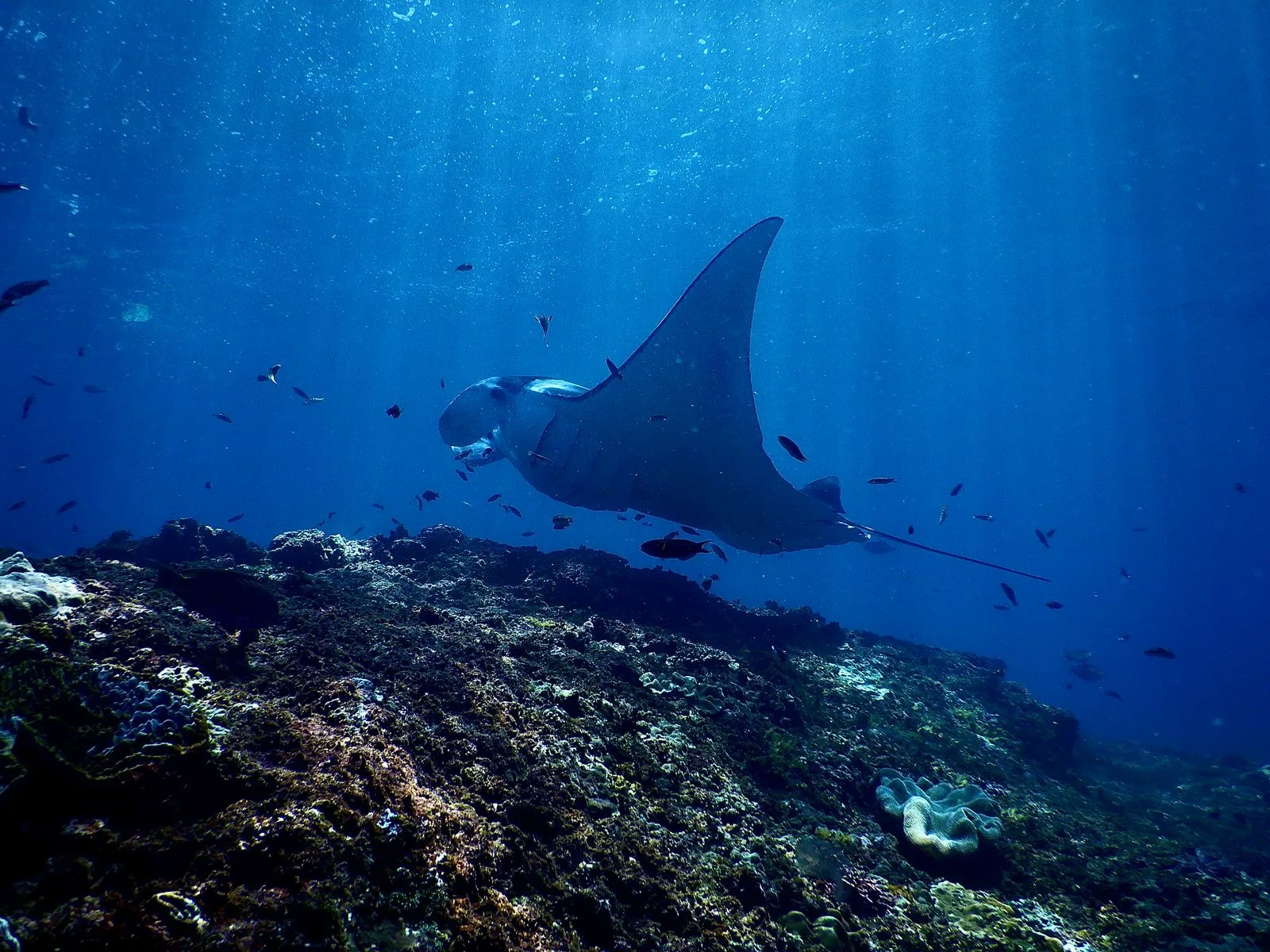
Ahoy, crew. Captain Cruz here, and today we sail to meet some of the most graceful creatures in Poseidon’s ocean: manta rays. Imagine a dark, elegant shape gliding towards you, wings wider than a car, moving like slow-motion ballet. Swimming with mantas is a once-in-a-lifetime thrill for many travellers, and doing it respectfully keeps it possible for generations to come. Life is amazing.
Meet the Manta
Manta rays are large, gentle filter feeders. They eat plankton, not people, and they have no stinging barb like stingrays do. There are two main species:
- Reef mantas, often seen near coastlines and coral reefs, with wingspans of around 3 to 5 metres.
- Oceanic mantas, which roam open water and can grow even larger.
Mantas are intelligent, curious animals with some of the largest brains among fish. Many populations are protected because they reproduce slowly and face pressure from fishing.
Where to See Them
Mantas live in warm waters around the world. Popular places for respectful encounters include:
- Indonesia: Nusa Penida near Bali and the waters of Komodo and Raja Ampat.
- The Maldives: famous for seasonal manta gatherings, including Hanifaru Bay.
- Mexico: the Revillagigedo Islands for divers, and parts of the Pacific coast.
- Hawaii: the Kona coast’s famous manta encounters.
- Mozambique, the Philippines, Australia and Fiji also offer encounters.
Sightings depend on plankton, currents and time of year, so research the best months and remember that wild animals keep their own schedules.
Cleaning Stations: The Manta Spa
Many encounters happen at “cleaning stations”, reef spots where small fish pick parasites off the mantas. Mantas circle slowly above them, like guests at a day spa. These places are precious. Never stand on, touch or hover too close to the coral there.
The Golden Rules of Manta Etiquette
- Never touch a manta. Their skin has a protective mucus layer, and touching can damage it.
- Keep your distance. Most codes of conduct suggest staying at least 3 metres away, and more for divers.
- Let them come to you. Don’t chase, block their path or swim directly over them.
- Stay at the surface when snorkelling and avoid diving down on top of them.
- No flash photography if you’re using a camera underwater.
- Limit the crowd. Choose operators that cap group sizes and time in the water.
Choosing a Good Operator
Look for companies that:
- Brief you on manta behaviour and rules before you enter the water.
- Follow local codes of conduct and respect protected areas.
- Use reef-safe practices and don’t feed wildlife.
- Have experienced guides, life jackets and floatation for weaker swimmers.
Be Ready for the Water
- Be comfortable snorkelling in open water, sometimes with currents. Practise with mask and fins beforehand.
- Wear a rash guard to protect your skin from the sun instead of applying lots of sunscreen. If you use sunscreen, choose a mineral, reef-friendly one and apply it well before swimming.
- Listen to your guide and stay with your group.
- Know your limits. If the sea feels too rough, staying on the boat is a perfectly good choice.
The Moment Itself
When a manta glides past, slow your breathing and just watch. Notice how it turns, how its wingtips ripple, how calm it seems. Many travellers say they forget the camera completely. That’s the best memory of all.
Fair winds, crew. Treat the ocean like family and it will give you moments like this. Life is amazing.
Comments
Also give your opinion.

 The Captain Look





Leave a comment