

















Lost in the Medina: The Captain’s Guide to Souks and Old Markets
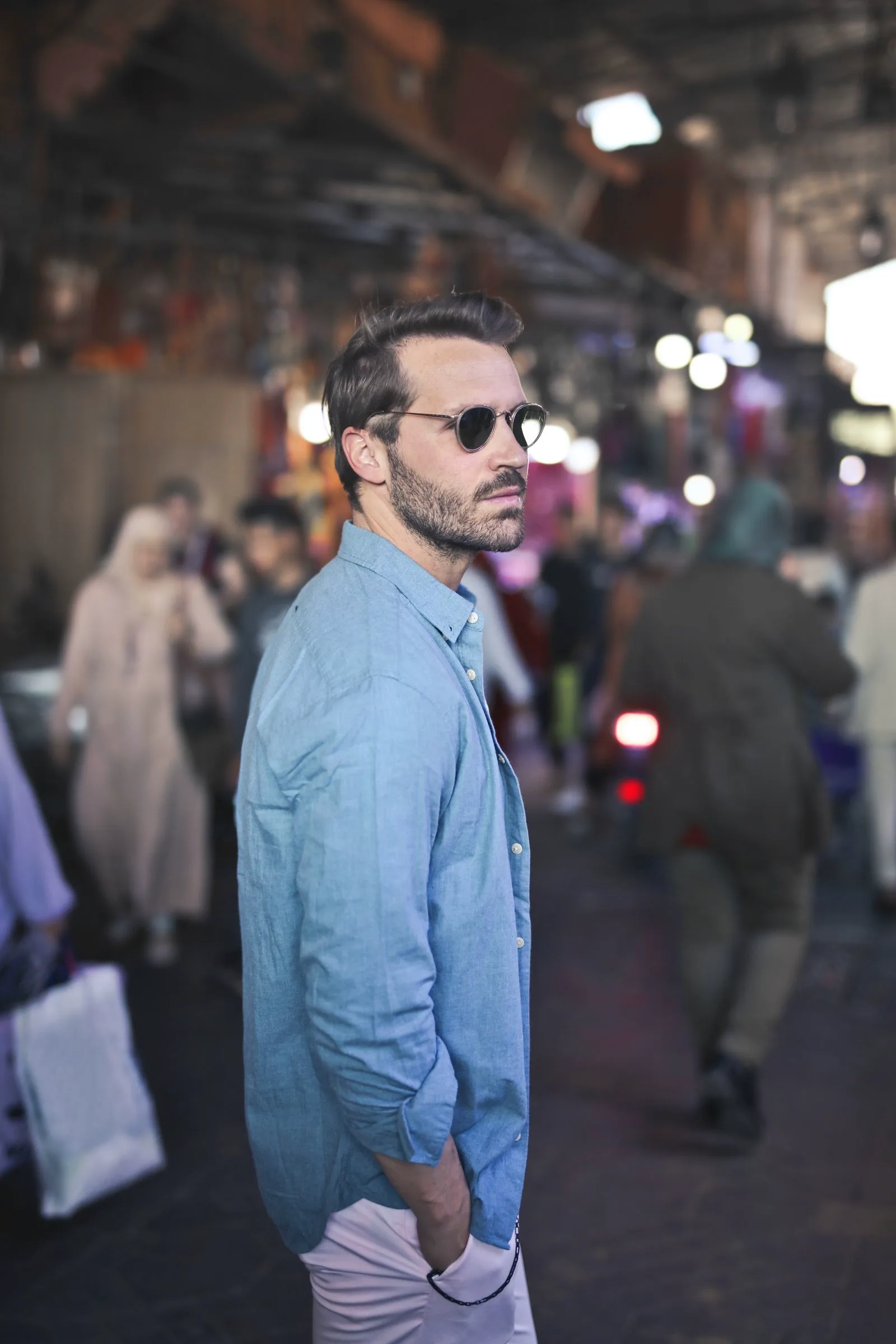
Ahoy, crew. Captain Cruz here. Few places on earth wake up the senses like a souk. Lanterns glowing, spices piled in little mountains, leather and cedar in the air, and a hundred narrow lanes that twist like a sea chart drawn by a playful god. Getting a little lost is part of the joy, but a few seamanship tips make the voyage smoother. Life is amazing, and so is a good market.
What Is a Souk?
A souk is a traditional market, found across North Africa and the Middle East, often inside a medina, the old walled town. Famous ones include Marrakech, Fes, Tunis, Cairo’s Khan el-Khalili and the covered souks of Istanbul and the Gulf. Lanes are often grouped by trade: metalworkers in one corner, dyers in another, spice sellers in the next.
Navigating the Maze
- Set a landmark. Note a big square, gate or mosque you can always ask for. In Marrakech, nearly everyone can point you back to Jemaa el-Fnaa.
- Download an offline map before you go. Signal can disappear in covered lanes.
- Go early. Mornings are calmer and cooler, and traders have more time to chat.
- Accept help carefully. Some friendly strangers who offer to guide you will expect payment or steer you to a cousin’s shop. A polite “No, thank you, I’m fine” while you keep walking works well. If you want a guide, book an official one through your accommodation.
The Art of Haggling
In many souks, bargaining is expected and can be fun when done with a smile. Think of it as a dance, not a battle.
- Browse first. Look at a few stalls before you buy to get a feel for prices.
- Let them name a price. Then offer what you think is fair, often well below the first number.
- Smile and take your time. Mint tea might appear. Enjoy it.
- Know your limit and be happy to walk away politely. Sometimes that’s when the best offer arrives.
- Only start bargaining if you really want it. Haggling and then not buying at an agreed price is considered rude.
Remember that a small difference for you can be a big difference for an artisan. Fair, not cheap, is the goal.
What to Bring Home
- Spices: cumin, paprika, ras el hanout and saffron (buy saffron from a trusted shop).
- Argan oil for hair and skin, ideally from a women’s cooperative.
- Leather goods: slippers, bags and wallets. Check the stitching and smell the leather.
- Ceramics and tiles: wrap them well in your luggage.
- Textiles: blankets, scarves and cushion covers in gorgeous colours.
- Lanterns: they look fabulous at home and fold flatter than you’d think.
Check your home country’s customs rules for food, plants and animal products before you buy.
Respect the Rhythm
- Dress comfortably and respectfully. Light, breathable clothes that cover shoulders and knees are wise in more traditional areas.
- Ask before photographing people and their stalls. Some traders may expect a small tip for photos.
- Carry small notes and coins. Big notes are hard to change.
- Mind your pockets in crowded lanes.
- Some areas close for prayer times or on certain days of the week. Check ahead.
For travellers in our community, discretion is wise in many places with souks, as local laws and attitudes vary. Check current travel advice for your destination and keep public displays of affection low-key where needed.
Take a Break
When the lanes get busy, climb to a rooftop café for mint tea and a view over the rooftops under that endless blue sky. Watch the swallows, count your treasures and plan the next lane to explore.
Fair winds, and may every market leave you with a story and a lantern. Life is amazing.
Comments
Also give your opinion.

 The Captain Look






Leave a comment