

















Rolling Green Waves: The Captain’s Guide to Visiting a Tea Plantation
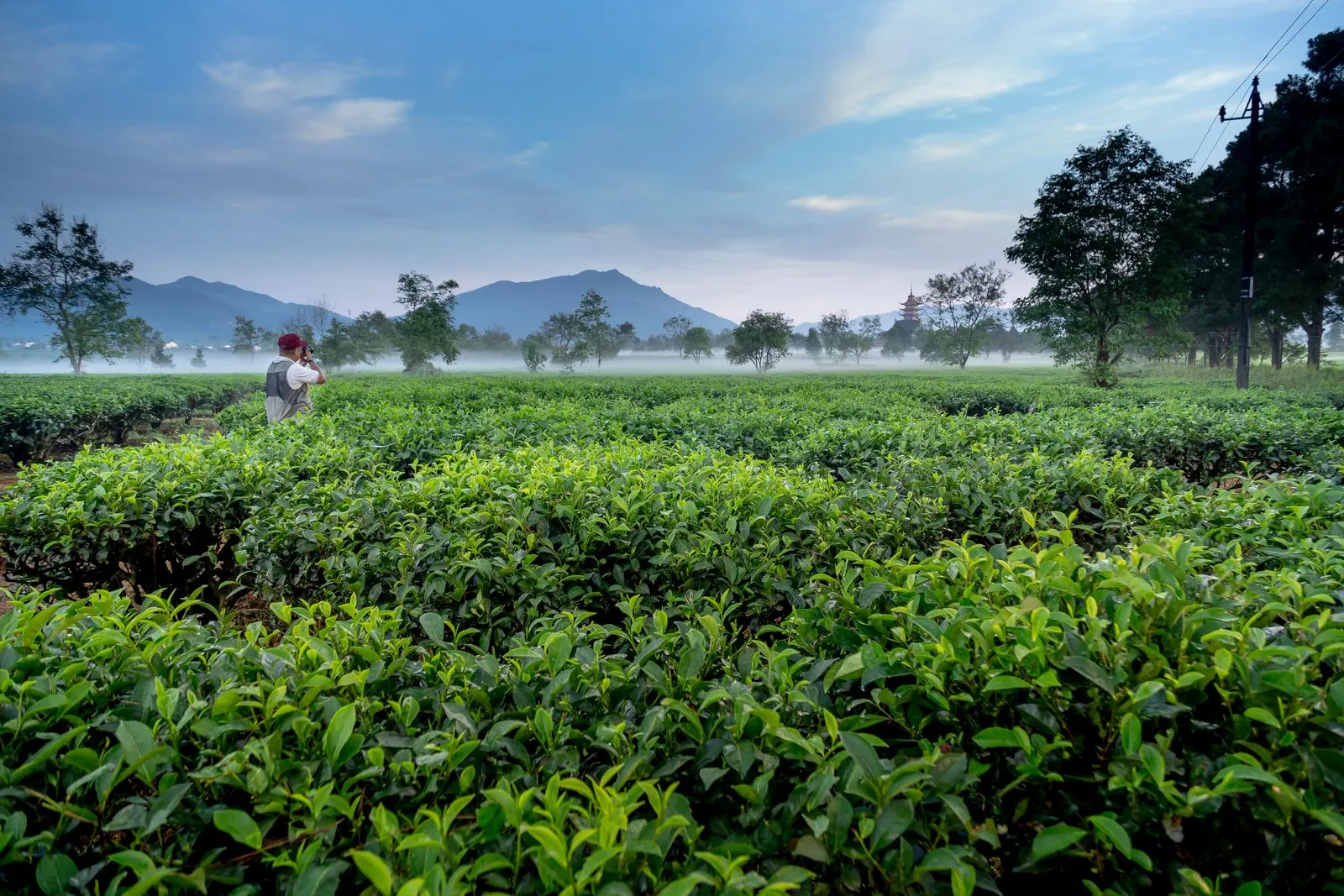
Ahoy, dear sailors. This old captain has crossed many seas, but few sights calm the heart like a hillside of tea: endless green rows rolling like waves, mountains on the horizon and the scent of fresh leaves in the air. A tea estate is a voyage for the senses, and the perfect gentle day away from beaches and busy cities. Let us show you how to make the most of it. Life is amazing.
Why a Tea Estate Belongs on Your Map
- The views. Neatly clipped bushes follow the curves of the hills, making some of the most photogenic landscapes on earth.
- The calm. Fresh mountain air, birdsong and wide open space. Pure peace.
- The craft. Tea is a living tradition, and seeing how leaves become what is in your cup changes how you drink it forever.
- The tasting. Fresh tea at the source tastes brighter and more alive than anything from a supermarket box.
Tea is grown in many beautiful places, from the hills of India and Sri Lanka to the mountains of China, Japan, Taiwan, Vietnam, Indonesia, Kenya and even a few islands in the Atlantic. Wherever you sail, there may be an estate nearby.
Planning Your Visit
- Choose an estate that welcomes visitors. Many offer guided tours, tastings and sometimes a little café or guesthouse. Check their website or ask your hotel.
- Book a guided tour if you can. A guide will explain how the leaves are picked and processed, and the stories of the people who grow them.
- Go early. Mornings are cooler and the light on the green rows is magical.
- Consider staying overnight. Some estates have charming bungalows. Waking up to those views is unforgettable.
What You Will See
On a typical tour you might follow the leaf from bush to cup:
- Plucking: skilled pickers choose just the youngest leaves and buds.
- Withering: leaves are spread out to soften.
- Rolling: they are twisted to release their juices and flavour.
- Oxidising and drying: the step that decides whether the tea becomes green, oolong or black.
- Sorting and tasting: the experts sip, swirl and judge every batch.
Tasting Like a Connoisseur
- Look at the colour of the brewed tea.
- Smell the leaves before and after brewing.
- Sip with a little slurp to spread the flavour across your tongue.
- Compare a few teas side by side. Green tastes fresh and grassy, oolong can be floral or toasty, and black is rich and malty.
Ask your host how they like to drink their tea. Every region has its own lovely ritual.
What to Bring
- Comfortable walking shoes with grip. Paths between the rows can be steep.
- Sun protection: a hat, sunglasses and sunscreen. The sun is strong up on the hills.
- Water and a light layer, because higher estates can feel fresher.
- A small bag for the tea you will certainly buy.
Visiting With Respect
- Stay on the paths and never pick leaves yourself unless invited.
- Ask before photographing workers, and thank them for their time.
- Buy directly from the estate or local cooperatives, so your money supports the people who grow it.
- Tip your guide if it is customary.
Bringing the Voyage Home
Buy a few small packets rather than one huge bag: tea is best fresh. Store it in an airtight tin away from light and strong smells. Every time you brew it at home, the green hills will come back to you.
Fair winds, dear sailors, and may every cup carry a little horizon in it.
Comments
Also give your opinion.

 The Captain Look






Leave a comment