

















Catch the Wind: The Captain’s Guide to Your First Kitesurfing Lesson
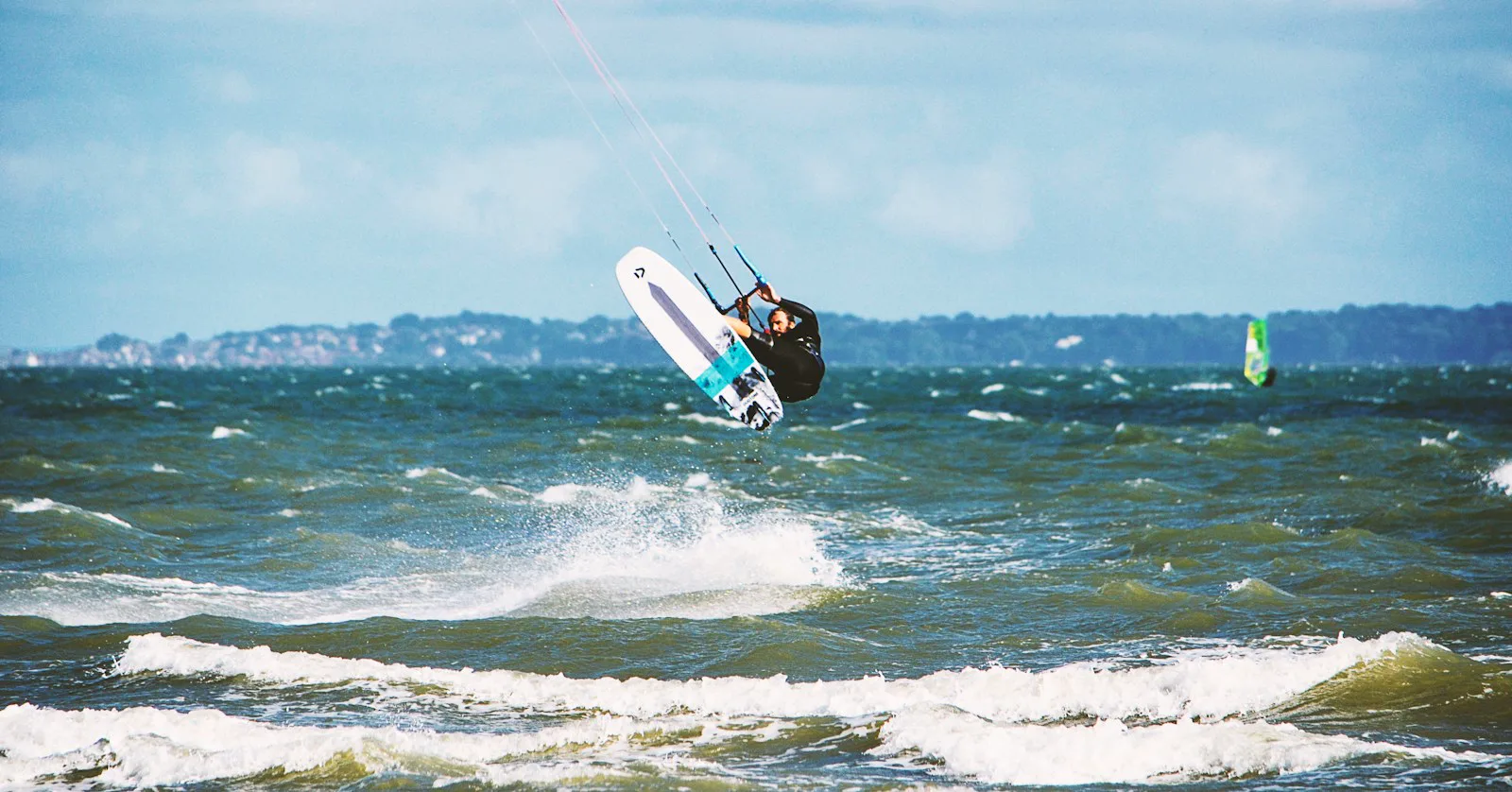
Ahoy, thrill-seekers. The Captain has spent a lifetime reading the wind, so believe me when I say there is nothing quite like harnessing it yourself. Kitesurfing looks like pure magic from the beach: a rider gliding across the waves, a bright kite dancing above, the occasional jump that makes everyone gasp. The best news? With proper lessons, it is far more achievable than it looks.
Why Lessons Are Not Optional
Kites are powerful. A kite that looks like a gentle sail from the shore can pull a grown man off his feet in a gust. Teaching yourself, or letting a friend show you on a windy beach, is a recipe for bruises and scared bystanders. Book a course with a certified kite school, ideally one affiliated with a recognised national or international body, where instructors use radio helmets, rescue boats and proper safety procedures.
What a Beginner Course Looks Like
Most schools teach in three stages over several days.
- On the beach: you learn about wind direction, the wind window, how a kite generates power and how to set up and launch safely. Often you start with a small trainer kite.
- In the water without a board: body dragging, where the kite pulls you through the water. It teaches you to control the kite and recover your board.
- On the board: your first water starts, short rides and learning to stop. Expect lots of falling. It is all part of the fun.
Many people need between nine and fifteen hours of lessons before riding independently, so be patient with yourself.
Choose the Right Spot
A good beginner location has steady, side-onshore wind, shallow water and plenty of space without rocks, piers or crowded swimmers. Flat lagoons are paradise for learning. Ask the school about the usual wind conditions and when they are most reliable. Gusty, offshore winds are a big no for beginners: they push you away from land.
What to Bring
The school usually provides the kite, board, harness, helmet and impact vest. You bring:
- A wetsuit if the water is cool, or a rash vest and board shorts in warm water.
- Plenty of water, reef-safe sunscreen and lip balm with SPF.
- Sunglasses with a strap for beach sessions.
- Snacks. You will be surprisingly hungry, sailor.
Fitness and Confidence
You do not need to be an athlete, but you should be a confident swimmer, comfortable in open water and reasonably fit. Kitesurfing uses your core, legs and shoulders more than your arms, since the harness takes most of the pull. A little time spent on balance and core work before your trip will make those first rides easier.
Safety Habits From Day One
- Always know how to use your quick release and safety leash.
- Never fly a kite near power lines, roads, buildings or crowds.
- Check the forecast and talk to local riders and the school before going out.
- Never kite alone or beyond your skill level, and stay within reach of help.
- Respect swimmers, surfers and other water users.
After the Course
Once you can ride both directions and stay upwind, many schools offer supervised sessions where you can rent gear and practise with an instructor watching. That is the perfect bridge between lessons and riding on your own. Only buy your own kit after you know what size kite and board suit your weight and favourite spots.
The first time the kite lifts, the board catches and you glide across the water, you will grin like a teenager. Respect the wind, trust your teachers, and let the sea show you a whole new kind of freedom. Life is amazing, sailor.
Comments
Also give your opinion.

 The Captain Look




Leave a comment