

















Coasteering for Beginners: The Captain’s Guide to Your First Sea-Level Adventure
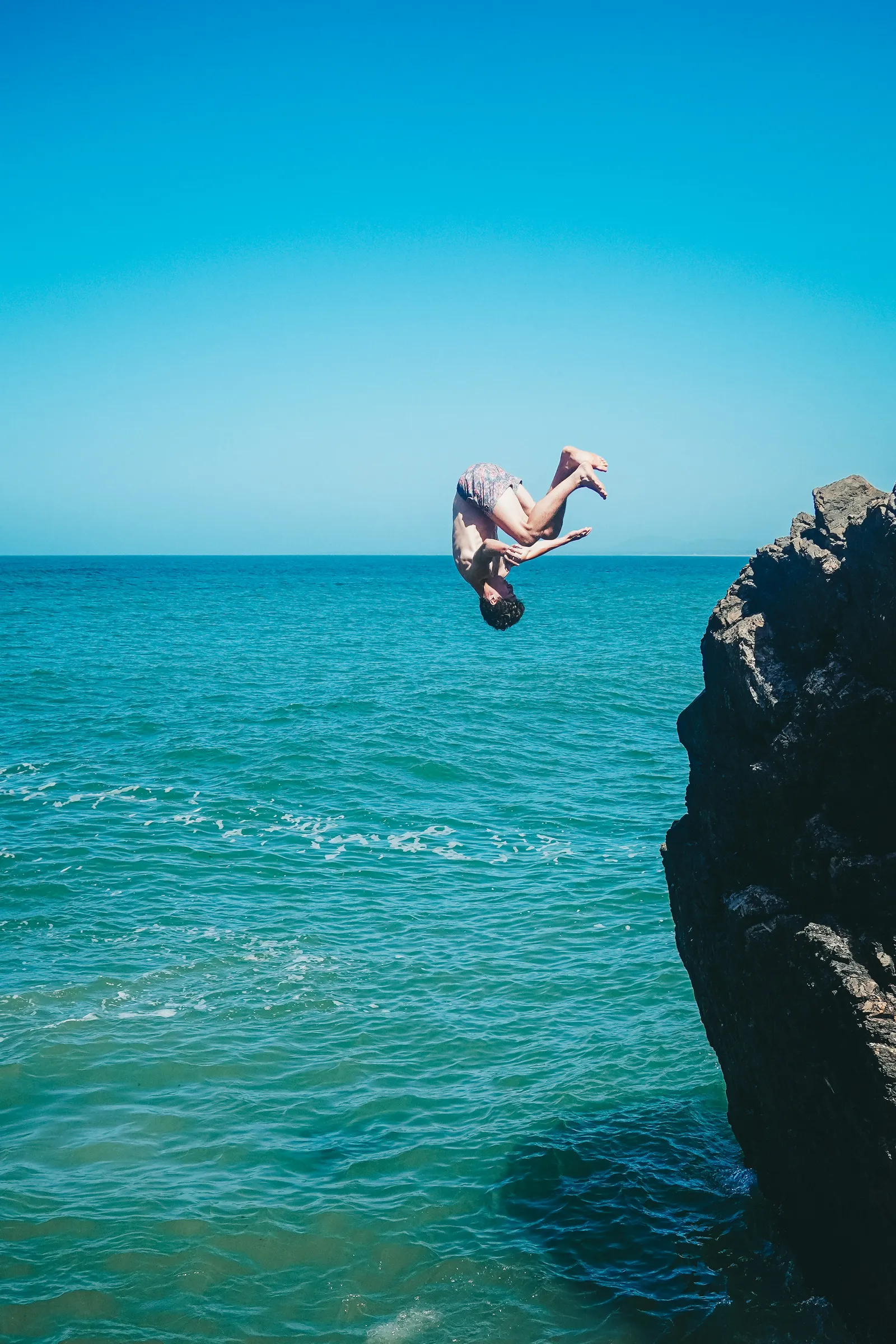
Ahoy, adventurers. Some days the sea is for gazing at from a deckchair, and some days it is for climbing, scrambling, swimming and leaping into from a rocky ledge. That second kind of day has a name: coasteering. It is the most fun you can have in a wetsuit and a helmet, and your Captain wants you to try it the right way.
What Coasteering Actually Is
Coasteering is exploring a rocky coastline at sea level, without a boat or a path. You move along the shore by swimming across gullies, scrambling over boulders, floating through caves and, when the water is deep enough, jumping in from rocks. It mixes a little climbing, a little swimming and a lot of laughing. A good session usually lasts two to three hours, and nobody ever comes back without a story.
Always Go With a Guide
This is not a do-it-yourself sport. The sea changes with the tide, the swell and the wind, and a rock that is safe at one hour can be dangerous the next. Book with a qualified local provider who knows the coast, checks conditions before every trip and supplies proper kit. Ask how big the groups are, what qualifications the guides hold and what happens if the sea is too rough. A good company will cancel rather than take risks, and you should thank them for it.
The Kit You Will Wear
- Wetsuit: keeps you warm and protects you from scrapes. Usually provided.
- Buoyancy aid: helps you float and rest between swims.
- Helmet: essential around rocks, and surprisingly flattering, darling.
- Old trainers or wetsuit boots: you need grip on wet rock, never bare feet.
Bring swimwear to wear underneath, a towel, a warm layer for afterwards, water and a snack. Leave jewellery and anything precious on dry land.
Do You Need to Be Super Fit?
You need to be comfortable in deep water and able to swim a short distance, but you do not need to be an athlete. Most trips are designed for beginners, and the jumps are always optional. Tell your guide about any injuries or worries before you start. A good guide offers easier routes around anything that feels too much.
The Jumps: Your Choice, Always
The jumps are the famous part, but nobody should ever pressure you. Start low and build up only if you are enjoying it. Your guide will show you how to check the landing zone, how to jump with feet first and arms close, and how to swim clear afterwards. Never jump anywhere your guide has not checked. Rocks hide under the surface, and depth changes with the tide.
How to Enjoy It Most
- Listen to the briefing. It is short and it matters.
- Stay with your group. The guide is watching everyone.
- Use your legs, not your arms, when scrambling, and keep three points of contact on rock.
- Float when you are tired. Your buoyancy aid is there for that.
- Look around. Coasteering takes you into caves, arches and coves you would never see from the cliff top, often with fish and seabirds for company.
After the Adventure
You will be cold, salty, a little bruised perhaps, and grinning like a fool. Get warm quickly, drink something hot and eat well. Then go somewhere with a view and tell the story again, because it gets better every time.
The sea rewards those who meet it with respect, sailor. Take a guide, wear the helmet, choose your own jumps, and let the coast show you its secret side. Life is amazing.
Comments
Also give your opinion.

 The Captain Look




Leave a comment