

















Hands in the Clay: The Captain’s Guide to Craft Workshops on Holiday
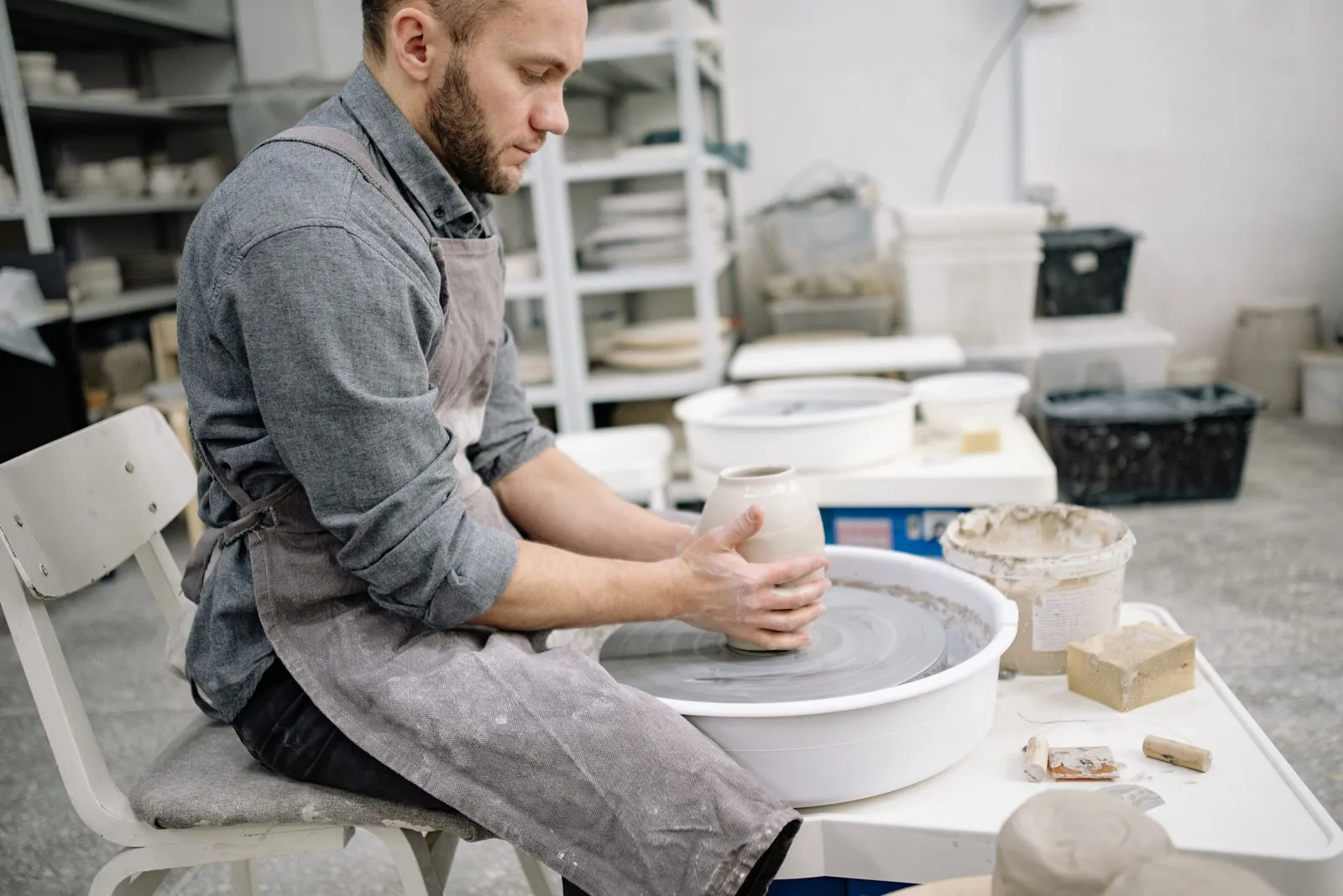
Cruz del Mar here, your Captain. Some of the best travel memories are not seen, they are made. Sit down at a potter’s wheel in a sunny island village, blow your own glass bauble in a hot little studio, or weave a bracelet with a local artisan, and you carry home something no shop can sell you: a piece of the place, shaped by your own hands. Here is how to find the right workshop and enjoy every muddy minute.
Why a Workshop Beats Another Afternoon of Shopping
A craft class slows the whole trip down in the best way. For two or three hours you are not ticking off sights, you are learning from someone who has spent a lifetime with one material. You hear stories about the town, you laugh at your own wobbly first attempt, and you often meet fellow travellers at the same table. Many solo travellers find a workshop is the easiest way to make friends for an evening.
Crafts Worth Trying
- Pottery and wheel throwing. The classic. Expect to get gloriously messy. Hand-building with coils and slabs is easier for beginners than the wheel.
- Ceramic painting. Choose a ready-made tile, bowl or plate and paint it in the local style. Perfect if you want a clean, relaxed session.
- Glass blowing or bead making. Often short, guided sessions where an expert does the dangerous parts and you help shape the piece.
- Weaving and textiles. From small loom projects to dyeing with plants, a lovely way to learn regional patterns.
- Leather work. Stitch your own wallet, card holder or luggage tag.
- Jewellery making. Silver rings, beaded bracelets or shell pieces in coastal towns.
- Mosaic. Tiny tiles, big satisfaction, and a great souvenir for your balcony.
How to Find a Good Workshop
- Look for classes run by working artisans in their own studios rather than big souvenir shops with a table at the back.
- Read recent reviews for words like “patient”, “small group” and “we actually made it ourselves”.
- Ask how long the session lasts and what is included: materials, firing, glazing, a drink.
- Check the group size. Six to eight people means real attention from the teacher.
- Ask whether the studio is welcoming to everyone. Most are, and a friendly reply tells you a lot.
The Practical Bits
- Firing takes time. Clay pieces usually need to dry and go into the kiln, which can take days. Book early in your trip, or ask whether the studio can post your piece home.
- Pack it well. Bring a scarf or a soft T-shirt to wrap fragile pieces, and keep them in your hand luggage.
- Dress for mess. Wear clothes you do not mind marking, and short or rolled sleeves.
- Leave rings at the hotel. Clay and glue love to hide in them.
- Ask before taking photos of the artisan’s work and studio.
Make It Part of the Trip
Pair your workshop with the place it came from. Visit the local market where the potters sell, find the old workshop street, or have lunch from plates made in the same village. Suddenly the whole town feels more personal.
A Word From the Captain
Your first bowl may lean, your bead may be lumpy and your bracelet may be slightly lopsided. Wonderful. Years later, when you drink your morning coffee from that crooked little cup, you will be right back in that sunny studio with clay under your nails. Life is amazing.
Comments
Also give your opinion.

 The Captain Look






Leave a comment