

















Take the Leap: The Captain’s Guide to Your First Bungee Jump
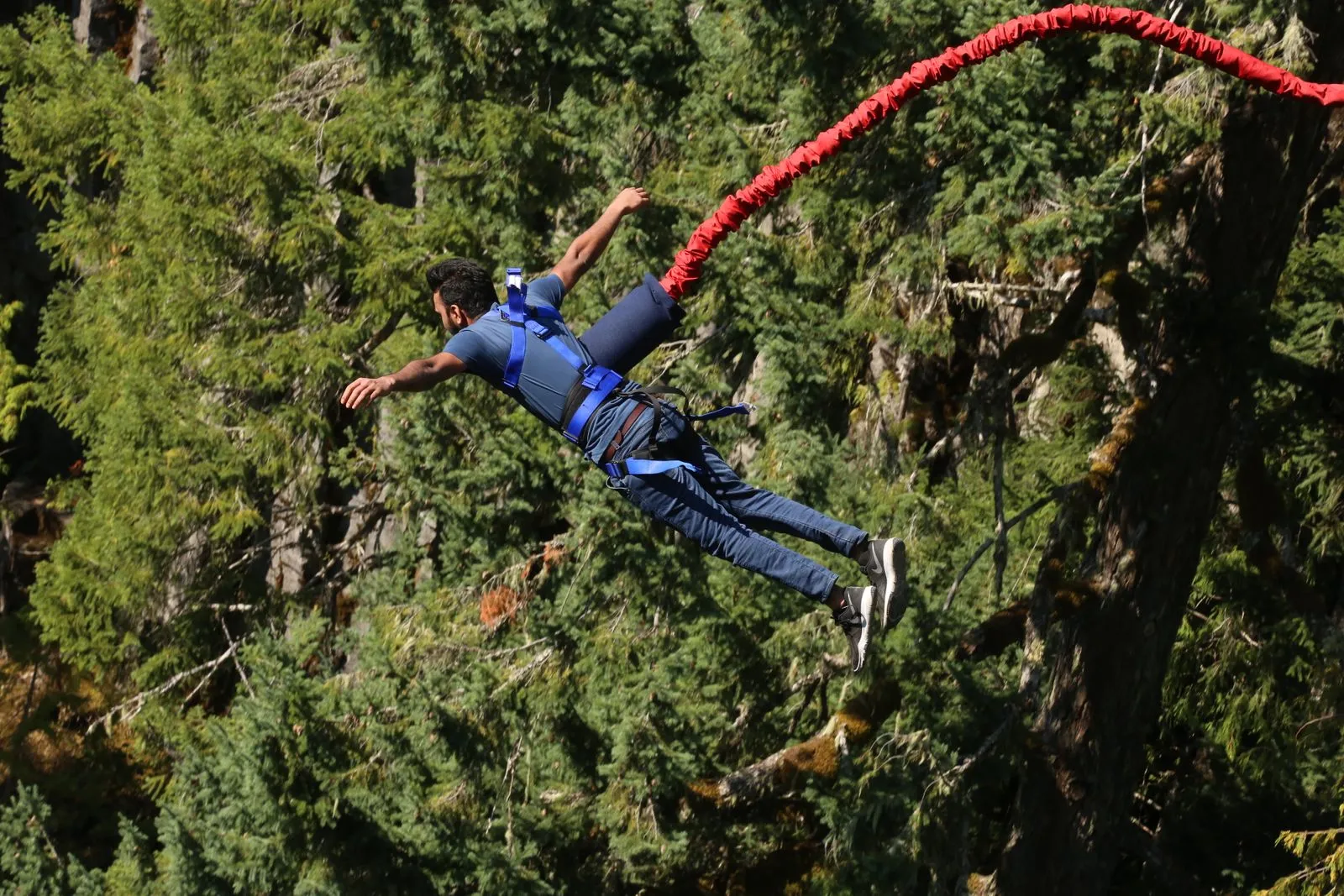
Ahoy, brave hearts. In all our years at sea we have watched sailors climb the rigging without a second thought, and then turn pale at the edge of a bungee platform. There is something gloriously primal about stepping into thin air with nothing but a cord and your courage. Life is amazing, and few things prove it faster than a first jump. Here is how we get you from nervous to flying, safely and with a grin.
Choose the Operator, Not Just the View
The bridge over a turquoise gorge looks wonderful on a postcard, but the company running it matters more than the scenery.
- Pick an established operator with a long track record, clear safety briefings and staff who answer questions patiently.
- Read recent reviews for comments about professionalism, not just the thrill.
- Look for visible checks: staff who double-check harnesses, connections and your weight, and who never rush you.
- Ask what is included: some jumps come with a photo or video package, a certificate or a second jump at a lower rate.
If anything feels sloppy or hurried, walk away. A proper crew is calm, methodical and slightly boring about safety. That is exactly what you want.
Check You’re Fit to Fly
Bungee operators set their own rules, usually including minimum and maximum body weights and a list of health conditions that rule you out. Common ones include heart conditions, high blood pressure, recent surgery, back or neck problems and pregnancy. Read the list honestly before you book, and if you are unsure, talk to your doctor first. There is no shame in choosing the zip line instead.
What Happens on the Day
Knowing the routine takes away half the nerves.
- Weigh-in: your weight is checked and often written on your hand. It decides which cord is used.
- Briefing: you’ll hear how to stand, how to jump and what happens at the bottom.
- Harnessing up: depending on the site, the cord attaches at your ankles, your body harness or both.
- The walk to the edge: the crew guides you, checks everything again and gives you a countdown.
Empty your pockets, take off loose jewellery and wear comfortable clothes that won’t fly over your head. Trainers or flat shoes, a fitted top and shorts or trousers are ideal. Tie back long hair, and keep glasses on a strap or leave them behind.
How to Actually Jump
Here’s the secret: the hardest part is the half-second before you go.
- Look at the horizon, not down. Your eyes pull your body; aim them at the view.
- Arms out wide, chest forward. Think swan dive, not falling ladder.
- Commit on “go”. Hesitating on the edge only feeds the fear. The crew counts, you lean, you fly.
- Breathe out and shout if you want to. Screaming is entirely allowed, sailor.
Then comes the free fall, the stretch of the cord and the rebound, which feels softer than most people expect. After a few bounces you’ll be lowered to a boat or a platform, or winched back up, depending on the site.
Making the Most of It
- Go early in the day when queues are shorter and you have less time to overthink.
- Bring a friend to film from the viewing area and cheer you on.
- Eat lightly beforehand. A small snack is good; a huge lunch is not.
- Hydrate and wear sunscreen while you wait in the sunshine.
And if you freeze at the edge, that’s normal. The crew has seen it a thousand times. Step back, breathe, try again, or decide it’s not your day. Both are fine.
The Captain’s Last Word
Courage isn’t the absence of fear, it’s stepping forward with your heart pounding anyway. Whether you leap off a bridge, a crane or a cliffside platform above the sea, you’ll come back down a little taller than you went up. Fair winds, and enjoy the flight.
Comments
Also give your opinion.

 The Captain Look





Leave a comment