

















Your First Proper Day Hike: The Captain’s Guide to Packing and Pacing
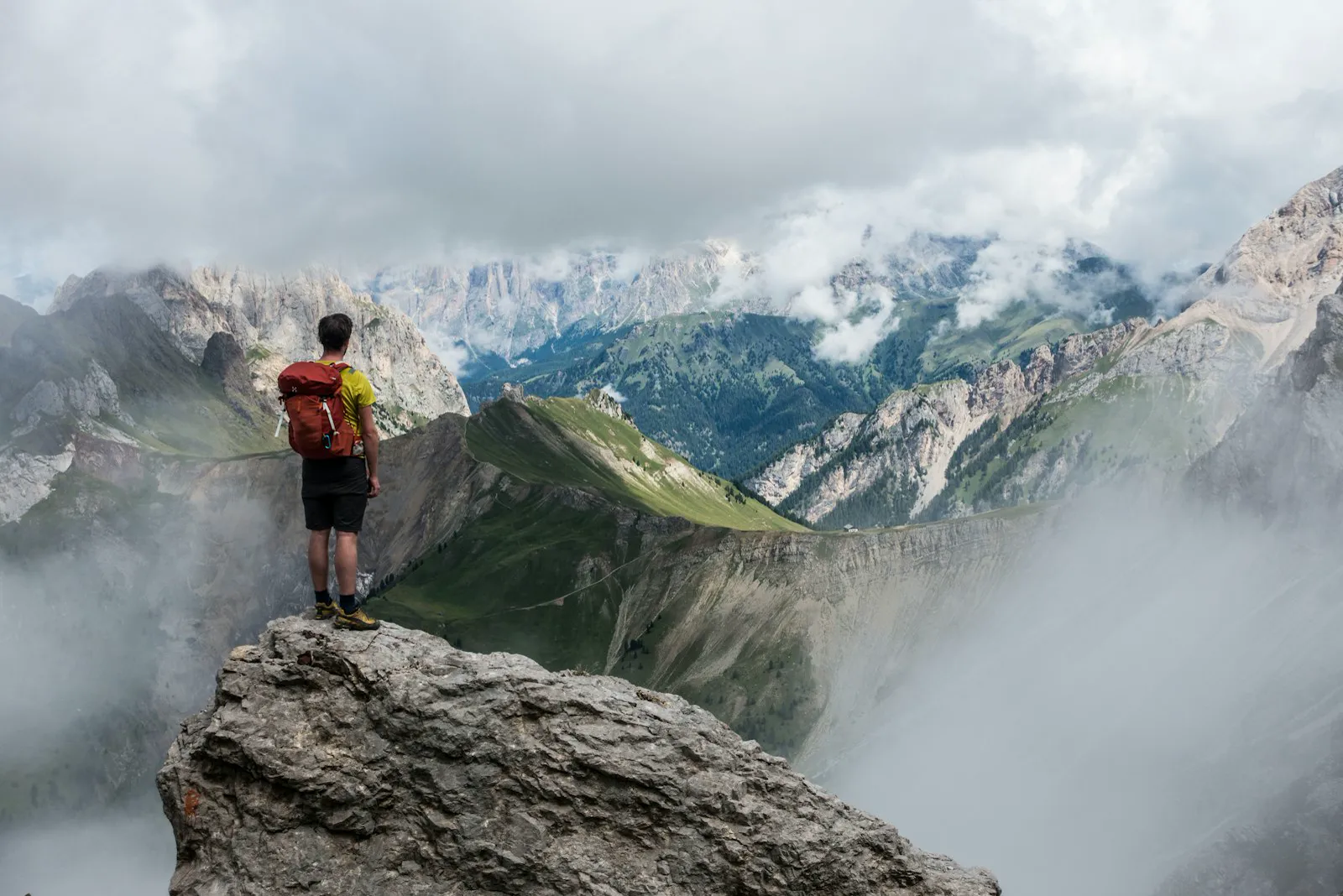
Ahoy, sailors of the land. There comes a day when the beach is too crowded and the city too loud, and the mountains start whispering your name. A first real day hike is one of the best gifts you can give yourself: fresh air, big views and legs that feel earned. Here’s how your old Captain would prepare you, so you come home tired, happy and in one piece.
Choose the Right Trail
Start with something comfortable rather than heroic.
- Distance: 6 to 12 km is a lovely first outing.
- Climb: check the elevation gain. A few hundred metres up feels very different from a flat coastal path.
- Time: many hikers use a rough guide of about 4 km per hour on easy ground, plus around an hour for every 600 m of climbing. Add breaks and photo stops, darling, there will be many.
- Popularity: a well-marked, well-used trail is ideal for a first hike. Use a trail app or local tourist office to read recent reviews.
Check the Weather, Then Check It Again
Mountains make their own rules. Look at the forecast for the trail itself, not just the nearest town, and check it the night before and the morning of. Strong wind, storms or heavy fog are good reasons to postpone. The mountain will still be there next week.
The Day Pack
You don’t need expensive kit, but you do need the right basics:
- Water: at least 1.5 to 2 litres, more in heat.
- Food: a proper lunch and snacks like nuts, fruit, sandwiches, bars.
- Layers: a breathable top, a warm layer and a waterproof jacket, even if it’s sunny at the start.
- Sun protection: sunscreen, sunglasses, a hat.
- Navigation: offline map downloaded on your phone, plus a power bank.
- Small first-aid kit: plasters, blister patches, any personal medication.
- A head torch, in case the day runs longer than planned.
Footwear: Your Most Important Crew Member
Wear shoes with grip that you’ve already broken in. Trail running shoes or light hiking boots both work for most marked paths. Never debut brand-new boots on a long hike unless you love blisters. Good socks (wool or synthetic, not cotton) make a surprising difference.
Pacing Like a Pro
- Start slower than you think. If you can’t chat while walking uphill, ease off.
- Small, steady steps on climbs; let your breath set the rhythm.
- Eat and drink little and often, don’t wait until you’re starving.
- Mind the descent. Going down is where knees complain and ankles roll. Shorter steps, eyes on the path. Trekking poles help a lot.
- Have a turnaround time. Decide in advance when you’ll head back, wherever you are. The summit is optional; getting home isn’t.
Trail Manners
- Tell someone where you’re going and when you’ll be back.
- Stay on marked paths and leave no trace: everything you bring in goes home with you.
- Greet fellow hikers; uphill walkers usually get right of way.
- Respect wildlife and farm animals. Admire, don’t feed.
Make It a Crew Thing
Hiking is a beautiful way to meet people. Many cities have LGBTQ+ hiking and outdoors groups, which are perfect for a first trail with others who know the way. Or bring a friend, pack a picnic and make a day of it.
When you reach that viewpoint, sit down, breathe deep and look out at the world for a moment. Moments like that are why we explore. Life is amazing, sailor.
Comments
Also give your opinion.

 The Captain Look




Leave a comment