

















Off the Wall, Onto the Rock: The Captain’s Guide to Your First Outdoor Climb
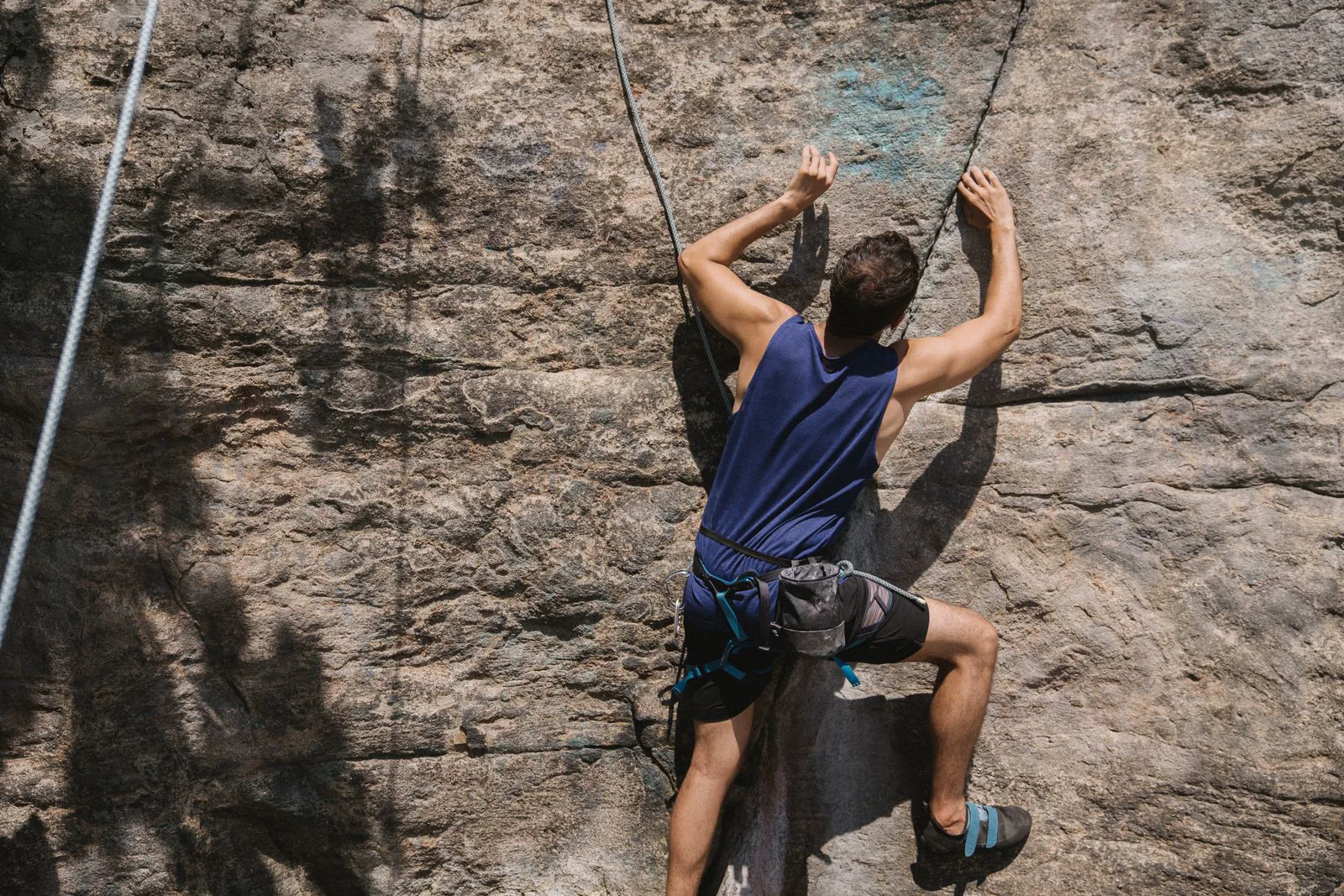
Ahoy, Cruz del Mar here, your Sailor Uncle. The climbing gym is a fine harbour, but there comes a day when a climber looks at real rock warming in the sun and feels the pull of open water, so to speak. Your first outdoor climbing day is a big, beautiful step. With a good guide and the right mindset, it is one of the most memorable days a traveller can have. Life is amazing.
Indoor and Outdoor Are Different Seas
On a gym wall, coloured holds tell you exactly where to go. Outside, the rock does not come with instructions. Holds are the same colour as everything around them, feet go on tiny edges and smears, and you read the route as you climb. It is slower, more thoughtful and, for many of us, far more rewarding.
Go With a Guide (Truly)
For your first outdoor day, book a qualified, certified climbing guide or a course with a reputable climbing school. They will:
- Choose a crag and routes suited to beginners, with a sunny aspect if you ask nicely.
- Set up the anchors and ropes safely.
- Teach you how to tie in and check each other.
- Belay you or teach you to belay under close supervision.
Outdoor anchors and rope systems are serious business. Leave them to the professionals until you have been properly trained.
How a Top-Rope Day Works
Most beginner days are top-roping: the rope runs from your harness up to an anchor at the top of the route and back down to your belayer. If you slip, you only drop a little before the rope holds you. You climb up, enjoy the view, then sit back in your harness and get lowered down. Repeat with a grin.
What to Bring
Your guide usually provides harness, helmet, rope and gear. You bring:
- Climbing shoes if you have them (many guides can lend them).
- Comfortable stretchy clothes that you do not mind scuffing on rock.
- Plenty of water and snacks. Crags are often a walk from the car park.
- Sun cream, a hat and sunglasses for the time spent belaying and resting.
- A small backpack and sturdy shoes for the approach path.
- Chalk bag, if you like a dry grip.
Climbing Technique on Real Rock
- Trust your feet. Your legs are stronger than your arms. Look for small ledges and press down through your toes.
- Keep your hips close to the rock to stay balanced.
- Straight arms when you can, to rest your forearms.
- Look around. Holds hide to the side, not only above.
- Breathe. A slow breath on a good foothold can calm the wobbliest knees.
Crag Etiquette
- Keep noise down and share routes with other climbers.
- Never stand directly under someone climbing, and always keep your helmet on near the base of the cliff.
- Take all rubbish home, including food scraps and tape.
- Stay on paths, respect any local access rules, such as those protecting nesting birds, and leave plants and rock as you found them.
Nerves Are Normal
Feeling scared the first time you look down is perfectly natural. Tell your guide, go at your own pace and celebrate every metre. Reaching halfway on your first outdoor route is still a win. The rock will be there next time.
Where to Next?
If you fall in love (you might), ask your guide about outdoor courses that teach belaying, anchor building and how to climb safely on your own. Every great sailor started as a deckhand.
Fair winds and firm footholds. Life is amazing.
Comments
Also give your opinion.

 The Captain Look






Leave a comment