

















Fall for the Sky: The Captain’s Guide to Your First Tandem Skydive
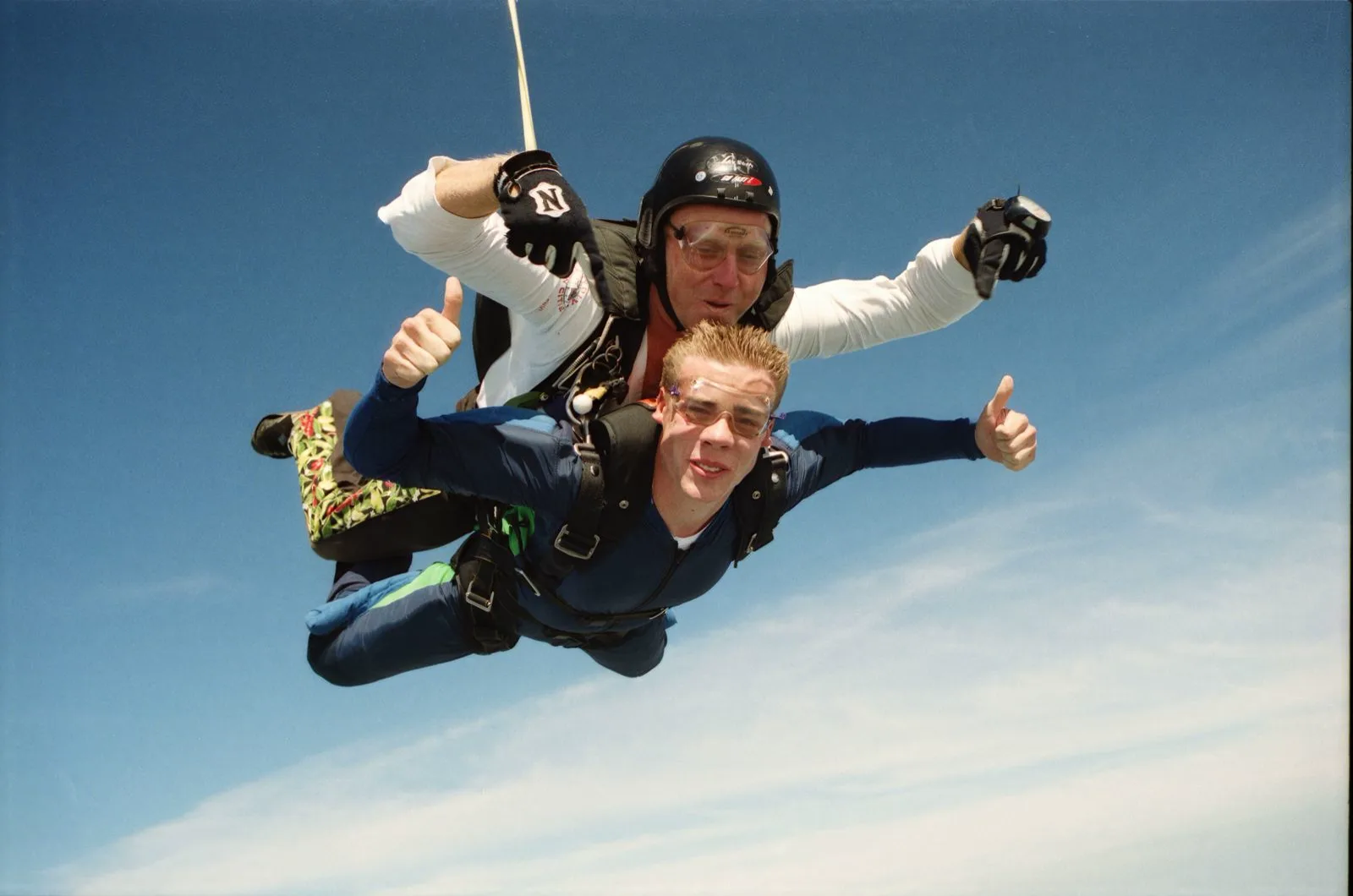
Ahoy, shipmates. Cruz del Mar here. The sea has always been our home, but every now and then a sailor wants to see the ocean from the very top of the sky. A tandem skydive is the purest way to do it: you, a qualified instructor strapped to your back, a plane door opening onto a sea of blue and the biggest rush of your life. Nervous? Perfect. That means it matters. Let’s get you ready.
What Is a Tandem Skydive?
In a tandem jump you are attached by a harness to an experienced, certified instructor who controls everything: the exit from the plane, the freefall, opening the parachute and the landing. Your job is mostly to listen, breathe and enjoy the view. No previous experience needed.
Choosing Where to Jump
Safety first, always.
- Pick a licensed drop zone, ideally one affiliated with your country’s national parachuting association, with certified tandem instructors.
- Read recent reviews and check how long the centre has been operating.
- Ask questions: what is included, how long the day takes, what happens if the jump is postponed for wind.
- Choose the view. Jumping over coastlines, islands or mountains on a clear day is breathtaking.
Most centres have requirements for age, weight and health. If you have heart, back, neck or other health conditions, or take regular medication, talk to your doctor first and tell the centre honestly. And if you scuba dive, leave at least a day between diving and flying high.
How the Day Unfolds
- Check-in and paperwork. You sign forms, get weighed and meet your instructor.
- The briefing. Your instructor explains body position, how to exit the plane and how to lift your legs for landing. Usually it takes less time than you expect.
- Gearing up. You get a jumpsuit, harness, goggles and sometimes a soft helmet.
- The climb. The small plane spirals up for around 15 to 20 minutes. Admire the view and breathe slowly.
- The door opens. Wind, noise, blue. Your instructor shuffles you to the edge, you arch back, and out you go.
- Freefall. Depending on the jump height, you fall for roughly 30 to 60 seconds at speeds near 200 km/h. It feels less like falling and more like flying on a huge cushion of air.
- Parachute opens. Suddenly everything goes calm and quiet. You drift for several minutes, sometimes even steering the canopy yourself.
- Landing. Legs up, gentle slide or run, and a huge grin.
Calming the Nerves
- Do not skip breakfast, but keep it light.
- No alcohol the night before. Arrive fresh and well rested.
- Breathe out slowly on the climb. Long exhales calm the body.
- Trust your instructor. They have done this hundreds or thousands of times.
- Smile at the camera. If you book video or photos, your future self will thank you.
What to Wear
Comfortable, close-fitting clothes and secure trainers with laces. No sandals, no loose scarves, no dangling jewellery. Contact lenses are usually fine under goggles; glasses wearers should ask about special goggles. Sunscreen on, sunglasses off, they will not survive freefall.
Weather and Patience
Skydiving needs good visibility and the right winds. Centres sometimes postpone jumps for safety, so keep your day flexible and your mood sunny. The sky will wait for you, and the wait makes the moment even sweeter.
The Captain’s Final Word
A tandem skydive is a minute of pure, wild freedom followed by the calmest ride of your life. You will land changed, a little taller, and with a story you will tell for years. Life is amazing, shipmates, and it is never more amazing than from up there.
Comments
Also give your opinion.

 The Captain Look






Leave a comment