

















Walk on Water, Darling: The Captain’s Guide to Your First Flyboard Ride
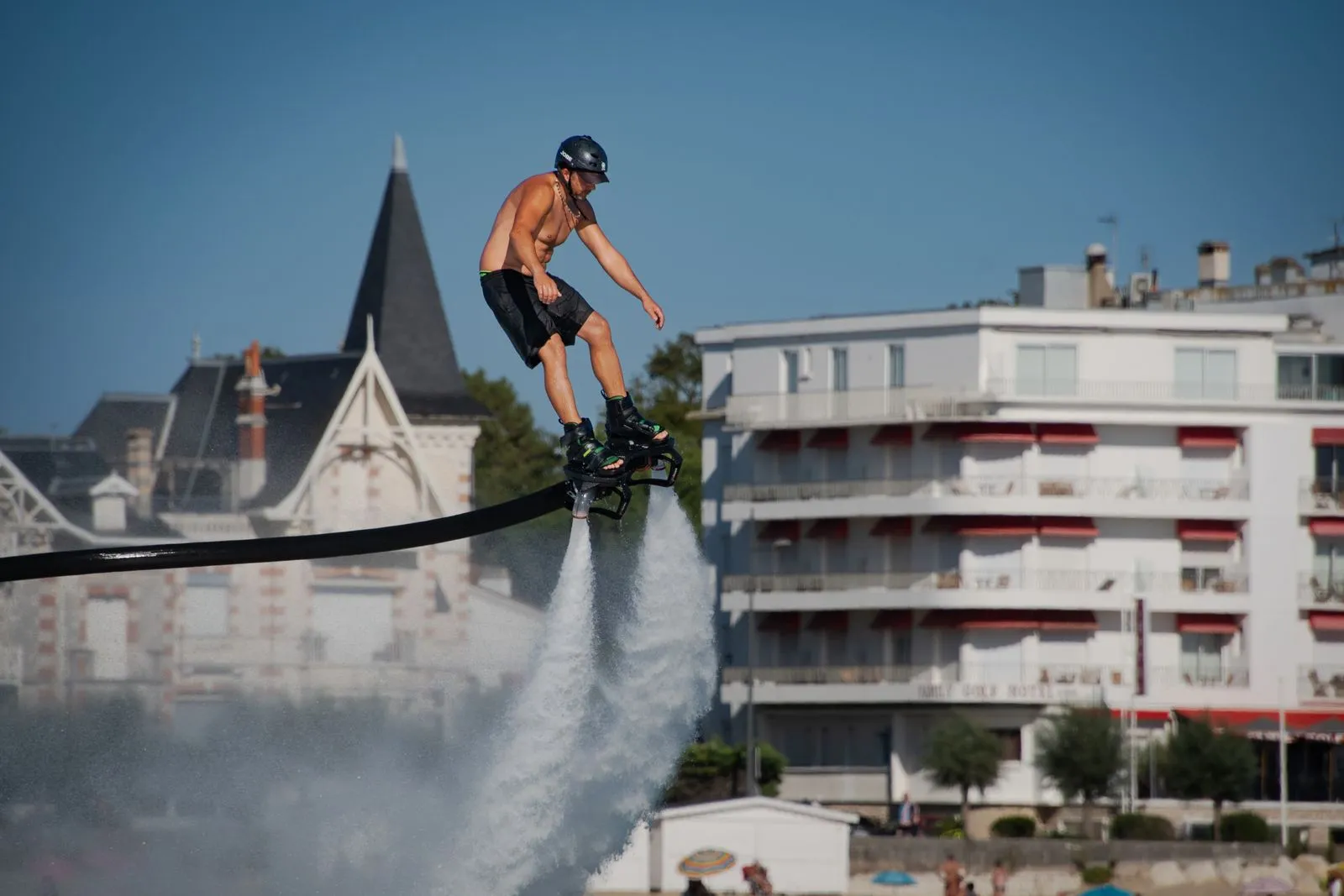
Ahoy, sailors. Cruz del Mar here. In all my years on the water, I’ve seen people swim, sail, surf and dive, but nothing makes a whole beach stop and stare like someone rising out of the sea on a column of water. That’s flyboarding. It looks like a superhero stunt, yet most first-timers are hovering above the waves within a single lesson. Let your old captain walk you through it.
What Is a Flyboard?
A flyboard is a pair of boots fixed to a small board, connected by a long hose to a jet ski. The jet ski pumps water through the hose and out of nozzles under your feet, and that thrust lifts you into the air. An instructor sits on the jet ski and controls the power, at least for your first rides, so you only need to focus on your balance. Some centres use a remote-control throttle so the instructor can manage everything from a boat nearby.
Who Can Try It
You don’t need to be an athlete. If you can swim, follow instructions and stand on one leg for a few seconds without wobbling too much, you’re a good candidate. Operators usually set a minimum age and a weight range, and some ask about back, neck or heart conditions. Be honest on the form: it’s for your safety.
Choosing an Operator
- Licensed and insured: ask, and check that they work in a marked zone away from swimmers.
- Proper kit: helmet and buoyancy aid as standard, often a wetsuit too.
- Radio or headset contact: many good centres talk to you through a helmet radio. It makes learning much easier.
- A real briefing: you should get a land briefing before you go in the water.
- Reviews from beginners: you want patient teachers, not show-offs.
Your First Ride, Step by Step
- Briefing on land: hand signals, how to fall safely and how to steer with your feet.
- Floating start: you lie on your back in the water, boots on, buoyancy aid keeping you afloat.
- Rising up: the instructor adds power, you bend your knees and slowly push your legs down. Keep your body straight and your eyes on the horizon, not on your feet.
- Hovering: most people manage a wobbly hover a little above the surface early on. Little by little, you’ll go higher.
- Falling well: you will fall. Everybody does. Lean back and drop into the water, arms in, then get ready to go again.
Captain’s Tips for Success
- Keep your legs straight-ish and your knees soft, like standing on a moving deck.
- Small movements. Pointing your toes even slightly will steer you.
- Relax your shoulders. Tension makes you tip.
- Breathe. Seriously, people forget.
- Ask for the video. Many operators film your ride, and you’ll want the proof.
What to Bring
- Swimwear that stays put. Trust me on this one.
- Reef-safe sunscreen and a cap or sunglasses with a strap for afterwards.
- A towel, water and a light snack.
- Contact lens wearers: ask whether goggles are available.
The Captain’s Last Word
Flyboarding is short, loud and joyful, and that first moment when you rise out of the sea and hold steady is pure magic. Book it on a sunny morning when the water is calm, cheer each other on and laugh at every splash. Life is amazing, sailor.
Comments
Also give your opinion.

 The Captain Look






Leave a comment