

















Learn to Sail: The Captain’s Guide to Your First Sailing Course
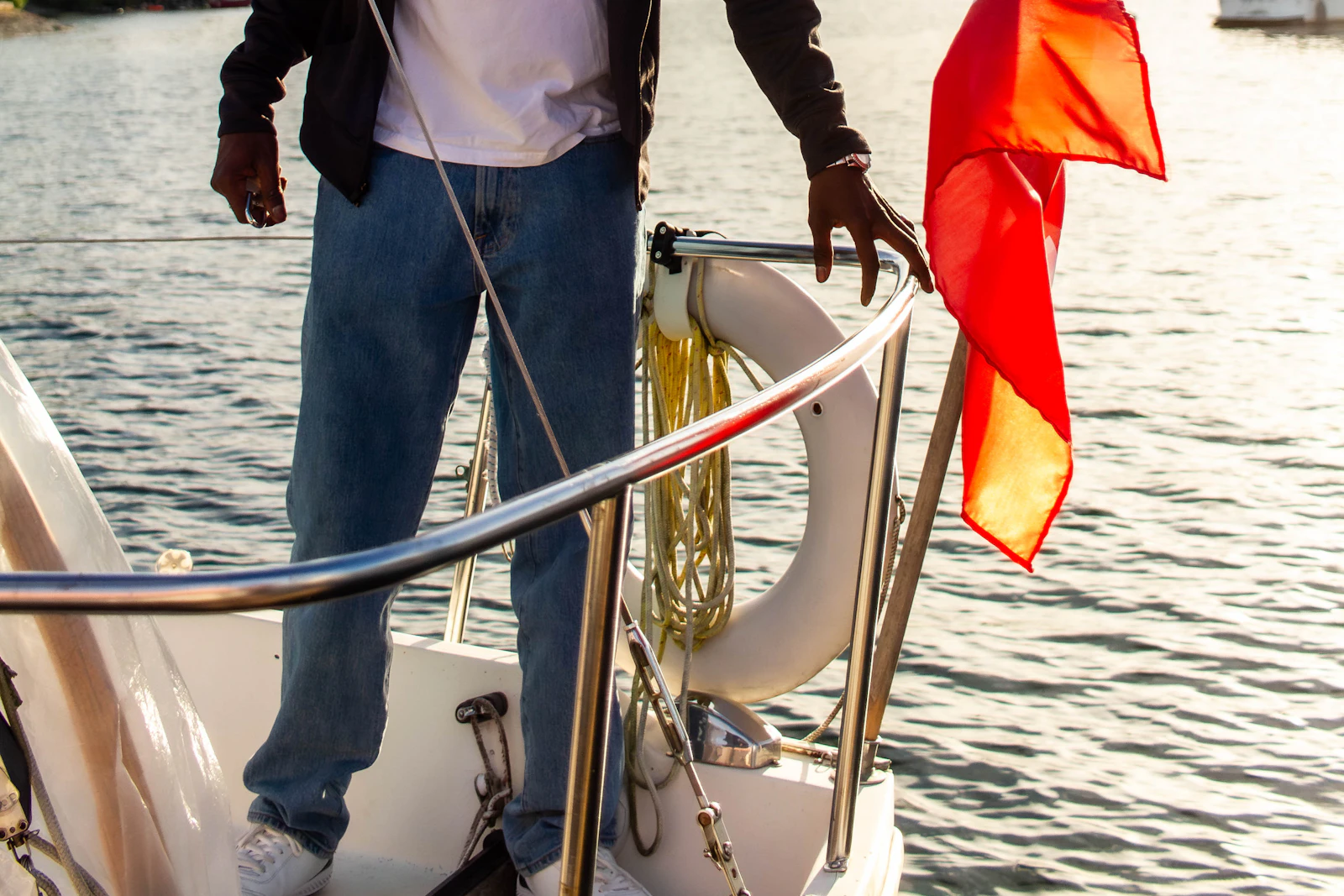
Ahoy, young sailor. Cruz was born with salt in his veins, and nothing makes his heart sing like watching someone feel the wind fill a sail for the very first time. Learning to sail is not reserved for millionaires with yachts. It is a skill anyone can learn, and it opens up a whole new way of seeing the sea. Here is how to begin.
Start With a Proper Course
The best first step is a beginner course at a sailing school or club. Look for schools accredited by your country’s national sailing body, which means qualified instructors, safe boats and a recognised structure. Courses usually run over two to five days, or across several weekends, and many begin in small dinghies or keelboats in sheltered water.
- Dinghies are small and responsive. You feel every gust, learn quickly, and will probably get wet.
- Keelboats and small yachts are steadier and drier, and teach you teamwork on a bigger boat.
Both are wonderful. Choose the one that excites you most.
What You Will Learn First
- The parts of the boat: bow (front), stern (back), port (left), starboard (right), mast, boom, rudder, sails.
- How the wind works: you cannot sail directly into the wind, so you learn to zigzag towards it.
- Steering: using the tiller or wheel to hold a course.
- Tacking and gybing: the two ways of turning the boat through the wind.
- Trimming the sails: pulling in or easing out the ropes so the sails work their magic.
- A few essential knots: the bowline, the figure of eight and the cleat hitch.
- Safety: life jackets, man-overboard drills and what to do if a dinghy capsizes.
What to Wear
- Layers of quick-dry, non-cotton clothing.
- A waterproof jacket, even on a sunny day. Spray is generous at sea.
- Non-marking, grippy shoes with soft soles.
- Sunglasses with a strap, a hat, and plenty of high-SPF sunscreen.
- Sailing gloves, if you have them, to save your hands from rope burn.
Most schools provide life jackets and waterproofs; check before you go.
Be Kind to Yourself
Everyone feels clumsy at first. Ropes tangle, the boom swings, the wind changes its mind. That is part of the fun. Ask questions, listen to your instructor and laugh at your mistakes. The sea rewards patience far more than bravado.
After the First Course
- Join a club. Many clubs welcome new members to crew on other people’s boats in races or social sails. It is the fastest way to build experience and friendships.
- Keep going with courses step by step, from crew to skipper level.
- Try a sailing holiday with a skipper, where you can help on deck and learn while you explore new coastlines.
- Look for LGBTQ+ sailing groups. Queer sailing clubs and gay-friendly flotillas exist in many places, and they are a joyful way to meet like-minded people on the water.
Respect the Sea
Always check the weather and wind forecast, never sail beyond your experience, and make sure someone ashore knows your plans. A good sailor is not fearless; he is prepared.
Hoist the sail, feel the boat come alive beneath you, and smile into the wind. Life is amazing.
Comments
Also give your opinion.

 The Captain Look






Leave a comment