

















Ghost Ships and Coral Gardens: The Captain’s Guide to Shipwreck Snorkelling
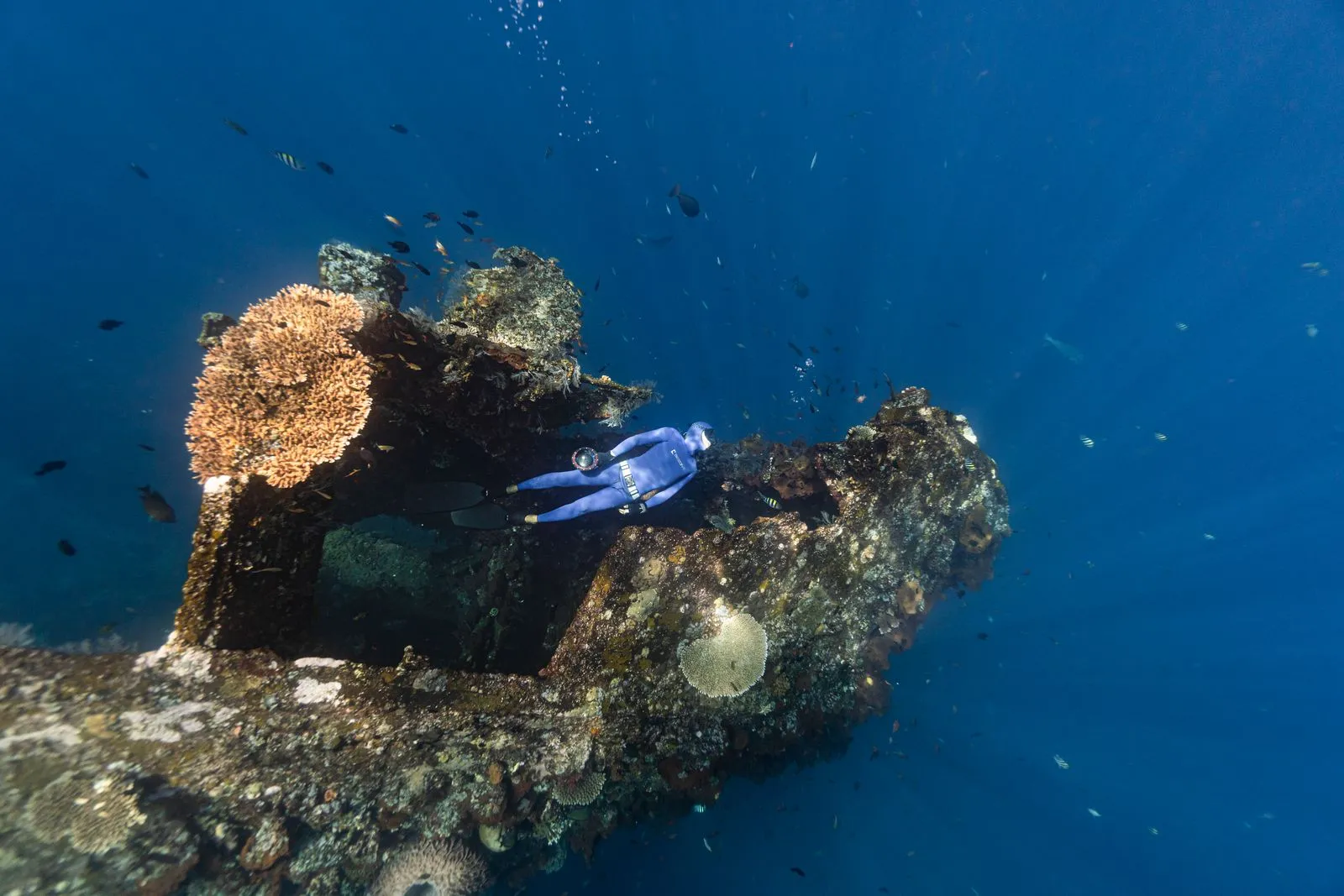
Cruz del Mar here, your Captain. There are few things more thrilling in the sea than spotting the outline of a ship resting on the seabed, covered in coral and buzzing with fish. Shipwrecks become underwater cities over the years, and many of the best ones sit in shallow, clear water where snorkellers and beginner divers can enjoy them. Let's go visit some old sailors' homes, respectfully.
Why Wrecks Are So Full of Life
A sunken ship gives sea life something it often lacks in sandy areas: structure. Corals and sponges settle on the hull, small fish hide in the gaps, and bigger fish come to hunt. Some wrecks were even sunk on purpose as artificial reefs to give marine life a new home and take pressure off natural reefs. The result is a colourful, lively world where you might see shoals of fish, turtles, rays and moray eels.
Snorkel or Dive?
- Snorkelling: perfect for wrecks in a few metres of clear water. You float on the surface and look down on the whole scene. Some wrecks even break the surface.
- Try dives and courses: deeper wrecks need scuba. A guided try dive with a professional instructor is a lovely first step.
- Going inside wrecks: that is advanced diving with special training. Admire from the outside unless you are qualified.
How to Choose a Good Wreck Trip
- Go with a local guide or reputable dive centre. They know the currents, the depth and the best time of day.
- Ask about conditions: calm, clear water makes all the difference.
- Check the boat: life jackets, a ladder to climb back on and a guide who counts everyone in and out of the water.
- Be honest about your swimming. Good guides will help, give you a float or pair you up.
The Captain's Wreck Etiquette
- Look, don't touch. Rusty metal and sharp edges can cut, and coral is a living animal that breaks easily.
- Take nothing. Wrecks are often protected, and some are memorial sites. Leave everything as you found it.
- Mind your fins. Stay horizontal and keep a little distance to avoid kicking up sand or hitting the reef.
- Reef-friendly sun protection. A rash guard or long-sleeve swim top protects your skin and the sea.
- Respect history. Some wrecks are places where sailors lost their lives. A quiet moment of respect is a lovely touch.
What to Bring
- A mask that fits well and a snorkel, or rent them from the boat.
- Fins for easy swimming over the site.
- A rash guard and plenty of water for after.
- A waterproof camera or phone pouch, with a strap.
Safety First, Always
Snorkel with a buddy, stay close to your group and keep an eye on the boat. If you feel tired or cold, signal and head back. The sea will still be there tomorrow.
Sunlight dancing over coral, fish swirling around an old hull: magic, sailor. Life is amazing.
Comments
Also give your opinion.

 The Captain Look





Leave a comment