

















Chasing Dark Skies: The Captain’s Guide to Stargazing
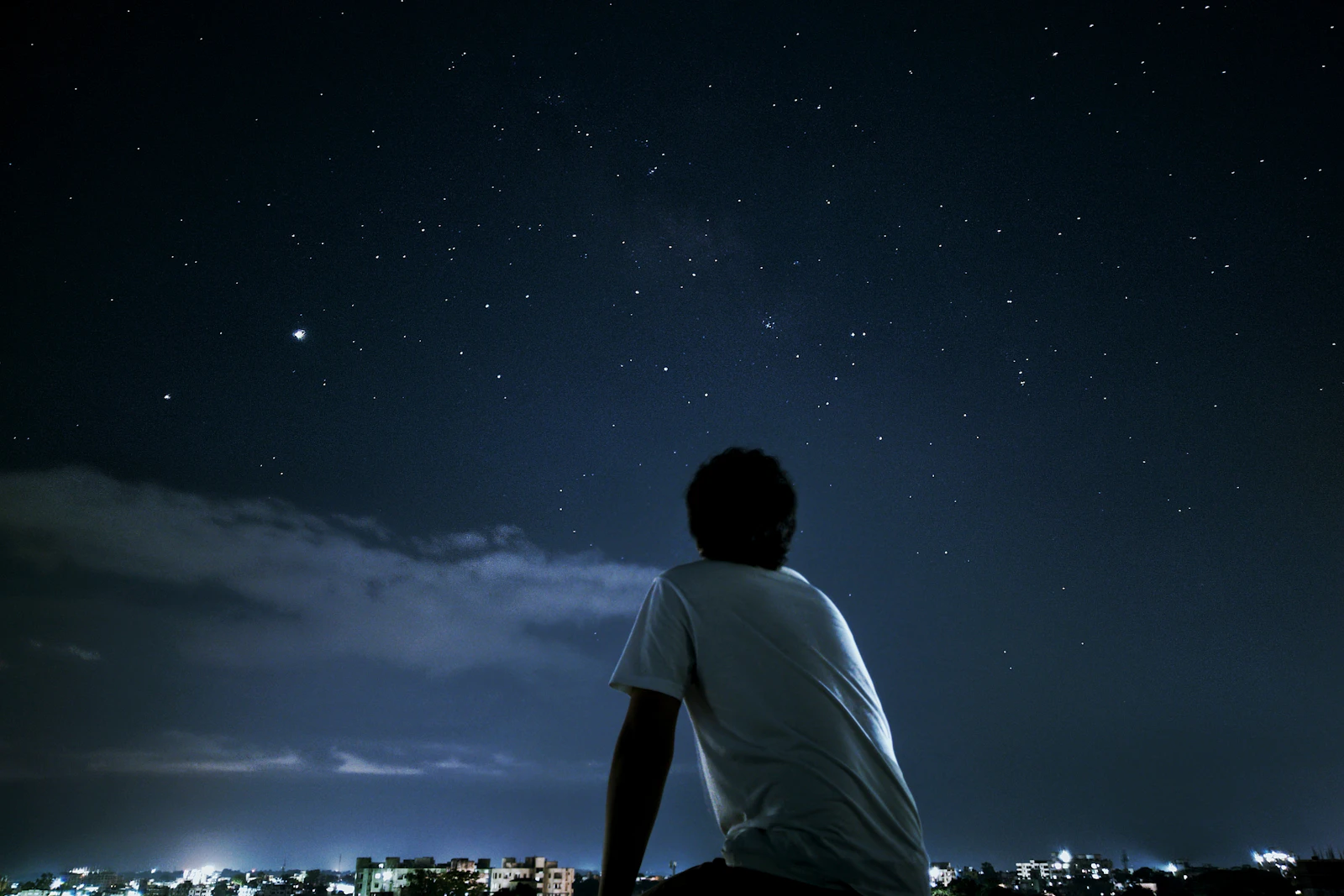
Ahoy, my friends. Long before maps and satellites, sailors found their way home by the stars. There is nothing quite like lying back under a truly dark sky, watching the Milky Way spill across the darkness. Here is your captain’s guide to stargazing, from the first glance to a proper dark-sky adventure.
Escape the Lights
City lights wash out all but the brightest stars. Head away from towns to the countryside, mountains, desert or coast. Many regions have official dark-sky parks and reserves where light pollution is carefully controlled. Online light pollution maps help you find the darkest spots near you or where you are travelling.
Check the Moon and the Weather
A bright full moon makes faint stars disappear. For the best show, go when the moon is a thin crescent or has not yet risen. Clear skies are essential, so check the cloud forecast. Astronomy weather apps are wonderfully useful.
Let Your Eyes Adjust
Your eyes need around twenty to thirty minutes in the dark to see faint stars. Avoid looking at bright screens. If you need light, use a red torch or set your phone to a red-light mode. Red light keeps your night vision intact.
What to Look For
- The Milky Way: a soft, glowing band across the sky on dark, clear nights.
- Planets: they shine steadily rather than twinkling. Bright ones are easy to spot.
- Constellations: start with one or two you know and hop from star to star.
- Satellites: steady moving dots that cross the sky in a few minutes.
- Shooting stars: patience is everything. Lie back and wait.
A stargazing app can identify what you are looking at when you point your phone at the sky. Use it briefly, then put it away.
Gear Is Optional
Your eyes are enough to start. A pair of ordinary binoculars reveals star clusters, the craters of the moon and far more stars than you expected. If you fall in love with it, a local astronomy club can help you choose a telescope.
Pack for the Night
- Warm layers, a hat and gloves. It gets colder than you think once the sun is gone.
- A blanket, camping mat or reclining chair. Lying down is the comfiest way to watch.
- A flask of something warm and some snacks.
- A red torch, a charged phone and a fully planned route back.
Stay Safe
Tell someone where you are going, park legally and stay on safe ground. Remote places can have uneven paths and cliff edges you cannot see in the dark. Go with friends if you can, and check local rules for access at night.
Take It Further
Look for guided stargazing tours, observatories that open to the public, or dark-sky lodges where the night sky is the main attraction. Some are magical for a romantic getaway, darling.
Find a dark sky, look up and feel gloriously small. Life is amazing, my friends, especially under a sky full of stars.
Comments
Also give your opinion.

 The Captain Look




Leave a comment