

















Take the Wheel: The Captain’s Guide to Hiring a Small Boat for the Day
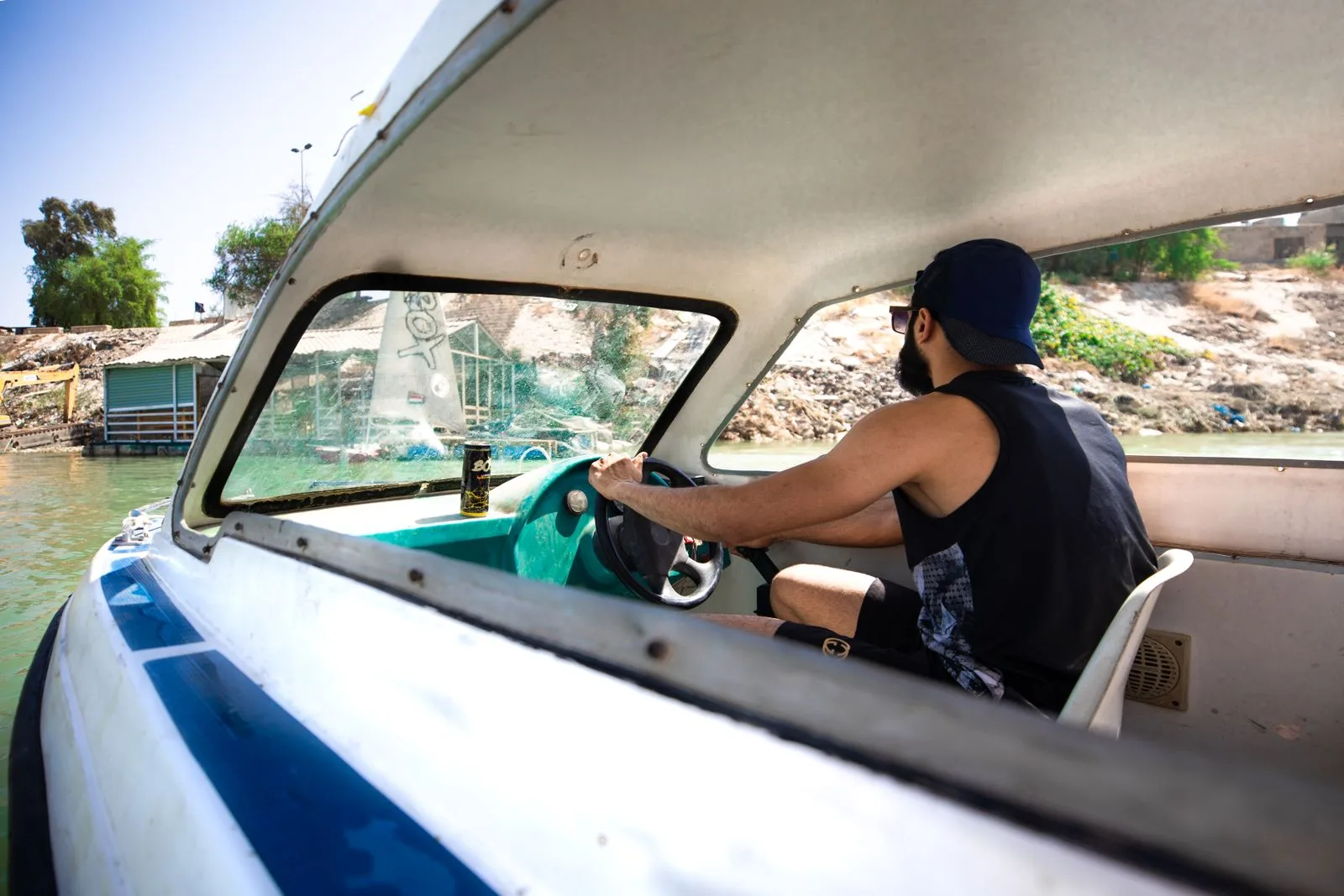
There’s a particular joy in being the one at the wheel. No tour schedule, no crowd at the rail, just you, your crew of friends, a cooler of cold drinks and a coastline waiting to be explored. Hiring a small motorboat for the day is easier than most people imagine, and it’s one of the finest ways to find the coves nobody can reach on foot. Here is how we’d do it.
Licence-Free Boats, Explained
In many coastal destinations you can hire a small boat with a low-powered engine without holding a boating licence. The rules differ from country to country, so the limits on engine power, boat length, distance from shore and daylight hours are set locally. A good hire company will explain exactly where you can go and what you can do. If you want a bigger, faster boat, you’ll usually need a licence or a hired skipper, which is a lovely option for a group.
Choosing a Good Hire Company
- Read recent reviews and look for mentions of a thorough briefing and well-kept boats.
- Ask what’s included. Fuel, life jackets, an anchor, a sunshade, a ladder for swimming and a phone number for help should all be standard.
- Check the boat before you leave. Look for a working engine kill cord, a full set of life jackets and a clear map of the permitted area.
- Book a morning slot when you can. The sea is often calmer early in the day.
Listen to the Briefing
Every good hire starts with a safety briefing. Pay full attention, even if a friend has driven boats before. You’ll learn how to start and stop the engine, which side to pass other boats, where the rocks and shallow spots are, the boundaries of your area and what to do if something goes wrong. Ask questions. There are no silly ones at sea.
Driving Basics
- Wear the kill cord. Clip it to your wrist or life jacket. If you go overboard, the engine stops.
- Go slow near shore, swimmers and harbours. Keep well away from swimming areas and divers’ flags.
- Turn gently. Boats don’t have brakes. Ease off the throttle well before you need to stop or turn.
- Steer into waves at an angle rather than side-on, for a smoother and safer ride.
- Keep a lookout. Someone in the crew should always watch the water ahead while the driver focuses on steering.
Anchoring at a Cove
Finding your own little bay for a swim is the highlight. Approach slowly, choose a sandy bottom rather than rocks or seagrass meadows, which are precious and protected in many places. Stop the boat, lower the anchor gently, then let out enough rope and let the boat drift back until the anchor holds. Always turn off the engine before anyone swims, and use the ladder to climb back aboard.
What to Pack
- Plenty of water and snacks, more than you think you’ll need
- Sunscreen, hats and sunglasses with a strap
- Towels and a change of clothes in a dry bag
- A charged phone in a waterproof pouch
- Snorkel masks for exploring the coves
Captain’s Etiquette
Leave the sea as you found it: take all rubbish home, keep music at a friendly volume in quiet bays, and give way to sailing boats and fishermen. Whoever drives stays sober. A cold beer tastes far better back on the dock anyway.
The first time you open the throttle and feel the spray, you’ll understand why sailors never quite leave the sea. Life is amazing, sailors. Take the wheel and go find your cove.
Comments
Also give your opinion.

 The Captain Look





Leave a comment