

















Treasure Hunting Ashore: The Captain’s Guide to Flea Markets Abroad
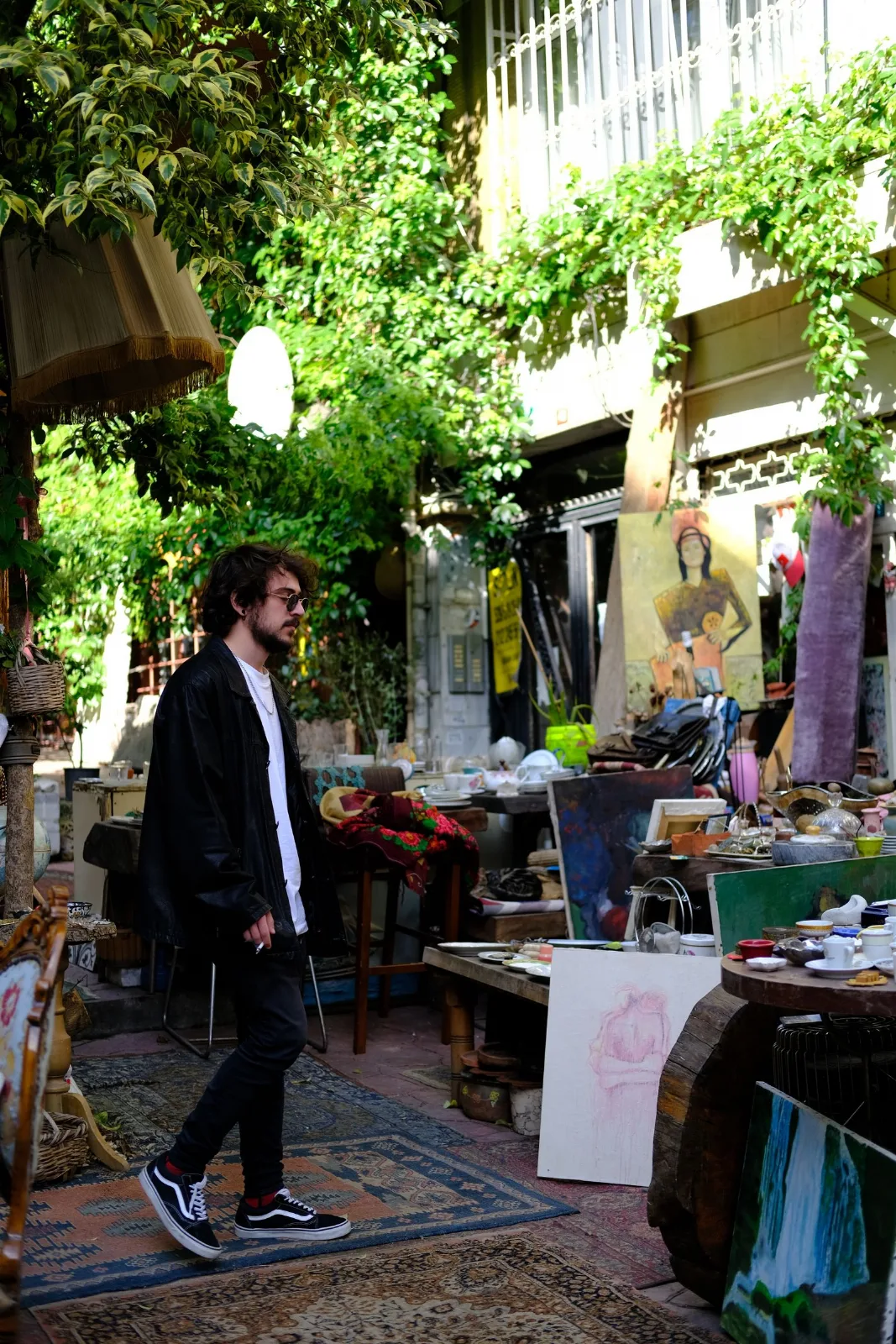
Every old port we’ve ever dropped anchor in has a market where the town empties its attics onto trestle tables. Brass compasses, faded postcards, chipped tiles, a lamp that looks like it lived three lives before yours. A flea market is a treasure chest with no lock, and wandering one is among the finest ways to spend a morning ashore. Here is how we navigate them.
Why Flea Markets Are Worth Your Morning
A museum shows you a place’s history behind glass. A flea market lets you pick it up, turn it over and take a little piece home. You meet locals, hear stories from the stallholders and find souvenirs that nobody else on your flight will have. It is slow travel at its most delightful, and often it costs nothing but time.
Plan Your Visit
- Check the day. Many markets run only on one day of the week or one weekend a month. Look up the schedule before you set sail.
- Go early for treasure, late for bargains. Dealers and collectors arrive at opening for the best pieces. Near closing time, sellers would rather sell than pack up.
- Bring small notes and coins. Many stalls are cash only, and handing over the exact amount is good manners.
- Carry a tote bag. A sturdy foldable bag keeps your hands free and your finds safe.
- Wear comfortable shoes and a hat. You’ll be on your feet for hours, often under a strong sun.
How to Browse Like a Pro
Walk the whole market once before buying anything. It is easy to fall for the first pretty thing and then find its better twin three stalls on. Look closely: check for cracks, chips, missing parts and wobbly joints. Ask questions. Stallholders usually love to tell you where a piece came from, and those stories are half the value of the souvenir.
The Gentle Art of Haggling
In many markets a little friendly negotiation is part of the fun, but it should always be warm, never pushy.
- Learn the local custom. In some places haggling is expected, in others prices are fixed. Watch how locals do it first.
- Smile and greet first. A hello in the local language opens more doors than any opening offer.
- Ask, don’t demand. “Is that your best price?” is polite and works almost everywhere.
- Bundle items. Buying two or three things from the same seller is the easiest way to earn a discount.
- Know when to stop. If the price is fair and you love it, pay it happily. A small saving is never worth spoiling a nice exchange.
What to Look For
The best finds tell a story about the place you visited: local ceramics, old maps and prints, vintage postcards, hand-painted signs, small brass and copper pieces, old photographs and books. Think about where it will live at home. Something you’ll see every day is worth more than something tucked in a drawer.
Getting Your Finds Home Safely
- Wrap fragile items in clothing and pack them in the middle of your suitcase.
- Check the rules. Some countries restrict exporting genuine antiques, plants, animal products or certain materials. When in doubt, ask the seller or skip it.
- Ship larger pieces. Many markets have stallholders who can arrange shipping, so you don’t have to wrestle a mirror through the airport.
The sea taught us that the best treasures are rarely the shiniest ones. They are the ones that make you remember where you were and who you were with. Life is amazing, sailors: go find a little piece of it on a market table.
Comments
Also give your opinion.

 The Captain Look






Leave a comment