

















Your First Scuba Dive: The Captain’s Guide to Breathing Underwater
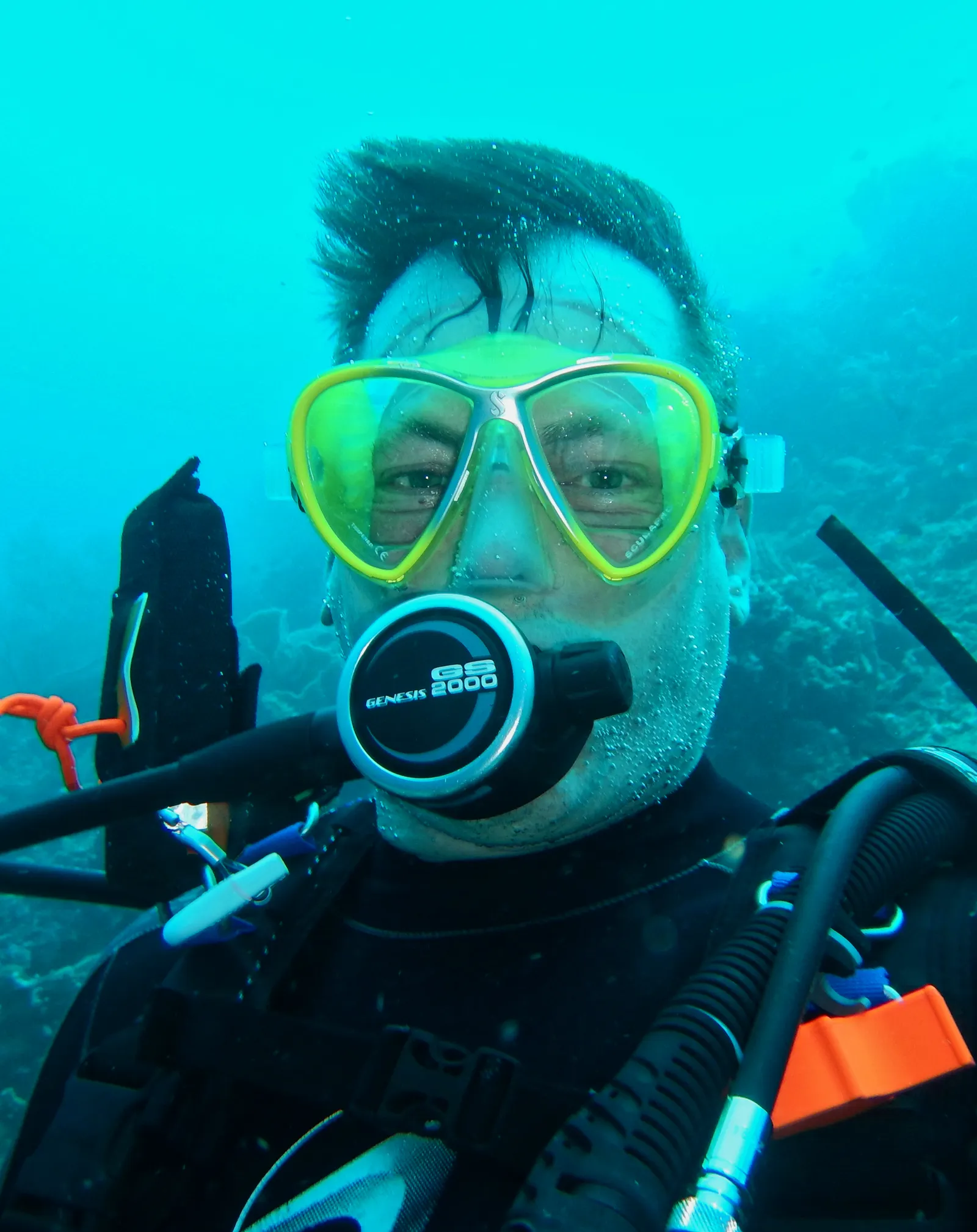
Ahoy, sailor. You’ve splashed about on the surface, you’ve snorkelled over a reef or two, and now the deep blue is calling your name. Good news: you don’t need to be an athlete or a marine biologist to breathe underwater. You just need a calm mind, a good instructor and a little bit of curiosity. Let your old Captain walk you down the ladder.
Start With a Try Dive
Most dive centres offer a short introductory session, often called a try dive or discovery dive. You get a briefing on dry land, practise a few skills in a pool or shallow, sheltered water, and then go for a gentle, supervised swim a few metres down. No exam, no long course, no pressure. It’s the perfect way to find out whether you love it before you commit time and money to a full certification.
What You Actually Need
- Basic water comfort. You should be able to swim a little and float without panic. You don’t need to be fast.
- A health questionnaire. Every reputable centre asks you to fill one in. Answer honestly. If something on it applies to you, they’ll ask you to check with a doctor first, and that’s for your safety, not to spoil your fun.
- Nothing fancy to buy. Mask, fins, wetsuit, tank and the rest are usually included. If you wear glasses, ask about a prescription mask.
Choose a Good Dive Centre
This is the single most important decision. Look for a centre affiliated with a recognised training agency, small group sizes (ideally no more than two or four beginners per instructor), well-kept equipment and staff who take time to answer questions. Read recent reviews and trust your gut. If the briefing feels rushed, walk away. The ocean will still be there tomorrow.
The Golden Rules Underwater
Your instructor will drill these into you, but here they are so they feel familiar:
- Never hold your breath. Breathe slowly and continuously. This is the big one.
- Equalise early and often. Gently pinch your nose and blow, or swallow, every metre or so on the way down. Never force it. If your ears hurt, rise a little and try again.
- Go slow. Slow descents, slow movements, slow ascents. Rushing burns air and stirs up sand.
- Stay with your buddy. Always know where your instructor or buddy is.
- Learn the hand signals. OK, up, down, problem and low on air. That’s your underwater vocabulary.
Breathing Like a Pro
New divers often gulp air like it’s the last cocktail at the bar. Instead, breathe in slowly through the regulator, pause softly, then breathe out long and gentle. Your air lasts longer, you float more steadily, and you’ll feel a deep sense of calm. Many divers say it’s the most relaxed they ever feel, and your Captain agrees.
Be Kind to the Reef
- Look, don’t touch. Coral is alive and very fragile.
- Keep your fins up and away from the bottom.
- Never chase, feed or grab marine life.
- Choose a reef-friendly sunscreen, and cover up with a rash vest so you need less of it.
Before and After the Dive
Eat a light meal beforehand, drink plenty of water and skip the big night out the evening before. Your body will thank you. After diving, avoid flying for the time your instructor recommends (they’ll give you clear guidance) and don’t plan a trip high into the mountains straight afterwards.
Taking the Next Step
Loved it? The next step is an open water course, which usually takes a few days and lets you dive with a buddy in shallow depths around the world. Take your time, ask questions and enjoy every moment of learning.
There’s a whole universe beneath the waves, darling, and it’s been waiting for you. Life is amazing, and it’s even more amazing at five metres down. See you below deck.
Comments
Also give your opinion.

 The Captain Look






Leave a comment