

















Walking on Fire: The Captain’s Guide to Volcano Hiking
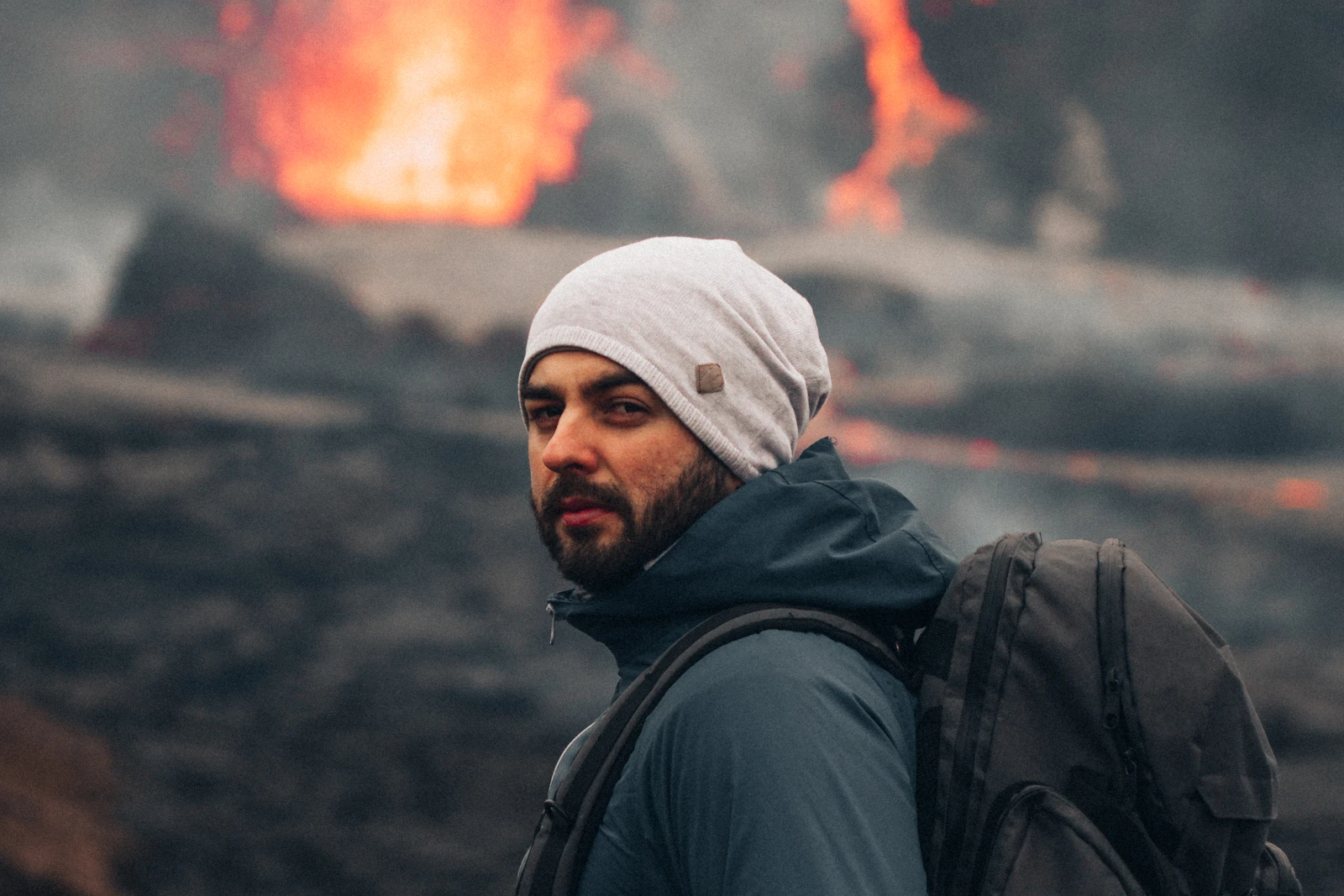
Ahoy, young sailor. Cruz is a son of the sea, but even he bows to the raw power of a volcano. Walking across ancient lava fields, peering into a crater, feeling warm ground beneath your boots: volcano hiking is one of the most unforgettable adventures on Earth. It is also one that demands respect. Here is how to explore these fiery giants safely.
Why Volcanoes Are So Special
Volcanic landscapes look like another planet: black sand, red cinder cones, twisted lava rock, craters, steaming vents and, often, extraordinary views out to sea. Many islands and coastlines around the world were born from volcanoes, and some offer well-marked trails suitable for keen beginners.
Choose the Right Volcano and Route
- Start with dormant or well-managed volcanoes in national parks, with marked trails and visitor centres.
- Check the official park or volcano observatory websites for current conditions, closures and alert levels before you go. Rules can change quickly.
- Be honest about your fitness. Volcano trails are often steep, loose underfoot and at altitude.
- Consider a guided hike for active volcanoes, summits or long routes. Local guides know the terrain, the gases and the weather.
Respect the Rules
Stay on marked trails and behind barriers. Volcanic ground can be fragile, unstable or hollow, and gases can collect in dips and craters. Never ignore closure signs. Some summits also require permits, so book in advance where needed.
What to Wear and Pack
- Sturdy hiking boots with good grip and ankle support. Lava rock is sharp, cinder is slippery.
- Layers: it can be hot at the base and cold and windy at the summit.
- Sun protection: hat, sunglasses and high-SPF sunscreen. There is often little shade.
- Plenty of water and snacks. Volcanic terrain is thirsty work.
- A light rain jacket, as mountains make their own weather.
- Gloves for scrambling over rough rock.
- A charged phone and offline map, plus a small first-aid kit.
Altitude and Pace
Some volcanoes are high. Go slowly, take regular breaks and drink water. If you feel dizzy, breathless, nauseous or develop a headache at altitude, stop, rest, and head down if it does not improve. Anyone with heart or breathing conditions should check with their doctor before high or strenuous hikes.
Timing Your Hike
- Start early to avoid the heat and catch clear morning views.
- Sunrise hikes are magical but require a headlamp and extra care in the dark.
- Check the weather the day before and on the morning of your hike.
Go With Friends
Never hike remote volcanic areas alone. Tell someone your route and expected return time, and stick together on the trail. Shared views are better anyway.
Leave Only Footprints
Do not take lava rocks or sand as souvenirs; in many places it is forbidden and harms the landscape. Carry out all your rubbish and respect local and cultural traditions, as many volcanoes are sacred places.
Reward Yourself
After the hike, many volcanic regions offer black-sand beaches, natural pools and delicious local food. You have earned a long lunch with a view, sailor.
Stand on the edge of the world and feel its heartbeat. Life is amazing.
Comments
Also give your opinion.

 The Captain Look




Leave a comment