

















Wild Swimming: The Captain’s Guide to Lakes, Rivers and Coves
 By Cruz del Mar
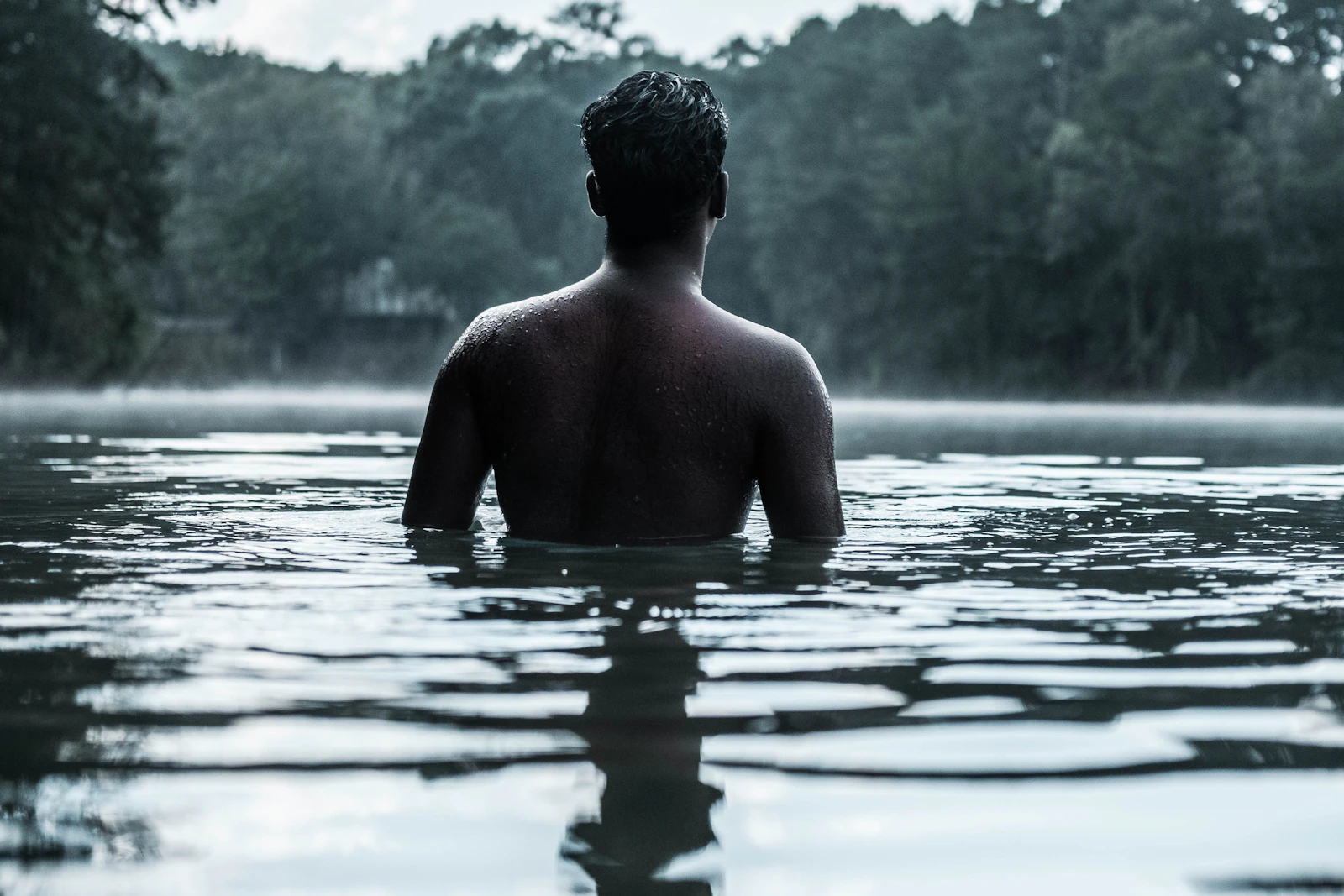
Ahoy, young sailor. There is a special kind of freedom in slipping into a cool lake, a clear river pool or a quiet cove, far from chlorine and lane ropes. The water holds you, the sky stretches above, and the world goes quiet. Wild swimming is pure joy. But open water is not a swimming pool, and Cruz, son of the sea, insists you treat it with respect. Here is how.
Know the Difference
Open water can be colder, deeper and less predictable than a pool. There may be currents, waves, weeds, boats and no lifeguard. The water temperature can be a shock to the body, even on a warm day. None of this should scare you away. It simply means preparing well.
Choose Your Spot Carefully
- Start at known swimming spots, ideally with lifeguards or a local swimming club.
- Check local advice and signs about water quality, currents and whether swimming is permitted.
- Avoid fast-flowing rivers, reservoirs and quarries (which can be dangerously cold and deep), areas with boat traffic, and water after heavy rain, which can affect quality and flow.
- Look for an easy way in and out before you get in.
Never Swim Alone
Go with a friend, or join a group. Many places have open-water swimming clubs, and LGBTQ+ swimming groups are a lovely way to meet people who share the passion. At the very least, have someone on shore watching who knows what to do in an emergency.
Get In Gently
Cold water causes a gasp reflex and fast breathing. Walk in slowly, splash your face and neck, and let your breathing settle before you start swimming. Never jump or dive into water you have not checked; there may be rocks or shallow areas you cannot see.
Gear That Helps
- A brightly coloured swim cap so you are easy to spot.
- A tow float: an inflatable buoy that clips around your waist, making you visible and giving you something to rest on.
- Goggles for comfort and visibility.
- A wetsuit for colder water; it adds warmth and buoyancy.
- Swim shoes for rocky entries.
- Warm layers, a towel or changing robe, and a hot drink for afterwards.
Stay Close and Short
Swim parallel to the shore rather than heading out into the distance. Keep your first swims short, just a few minutes in cool water, and build up gradually. Get out before you feel very cold: shivering, numb hands or clumsy movements mean it is time.
If You Get Into Trouble
Stay calm. Float on your back, spread your arms and legs, and catch your breath before swimming or calling for help. If you are caught in a current, do not fight it head-on; swim parallel to the shore until you are out of it. If you see someone in difficulty, call emergency services and throw them something that floats rather than going in yourself.
Warm Up Slowly
After a cold swim, get dry and dressed quickly, put on a hat, sip a warm drink and move gently. Avoid a very hot shower straight away; warm up gradually.
Leave No Trace
Take your rubbish home, respect wildlife, and use reef-safe or minimal sunscreen where possible.
The water is calling, sailor. Answer it wisely, and feel truly alive. Life is amazing.
Comments
Also give your opinion.

 The Captain Look






Leave a comment